Meat Processing Made Cleaner and Greener: The Introduction of Automatic Roll Air Filters
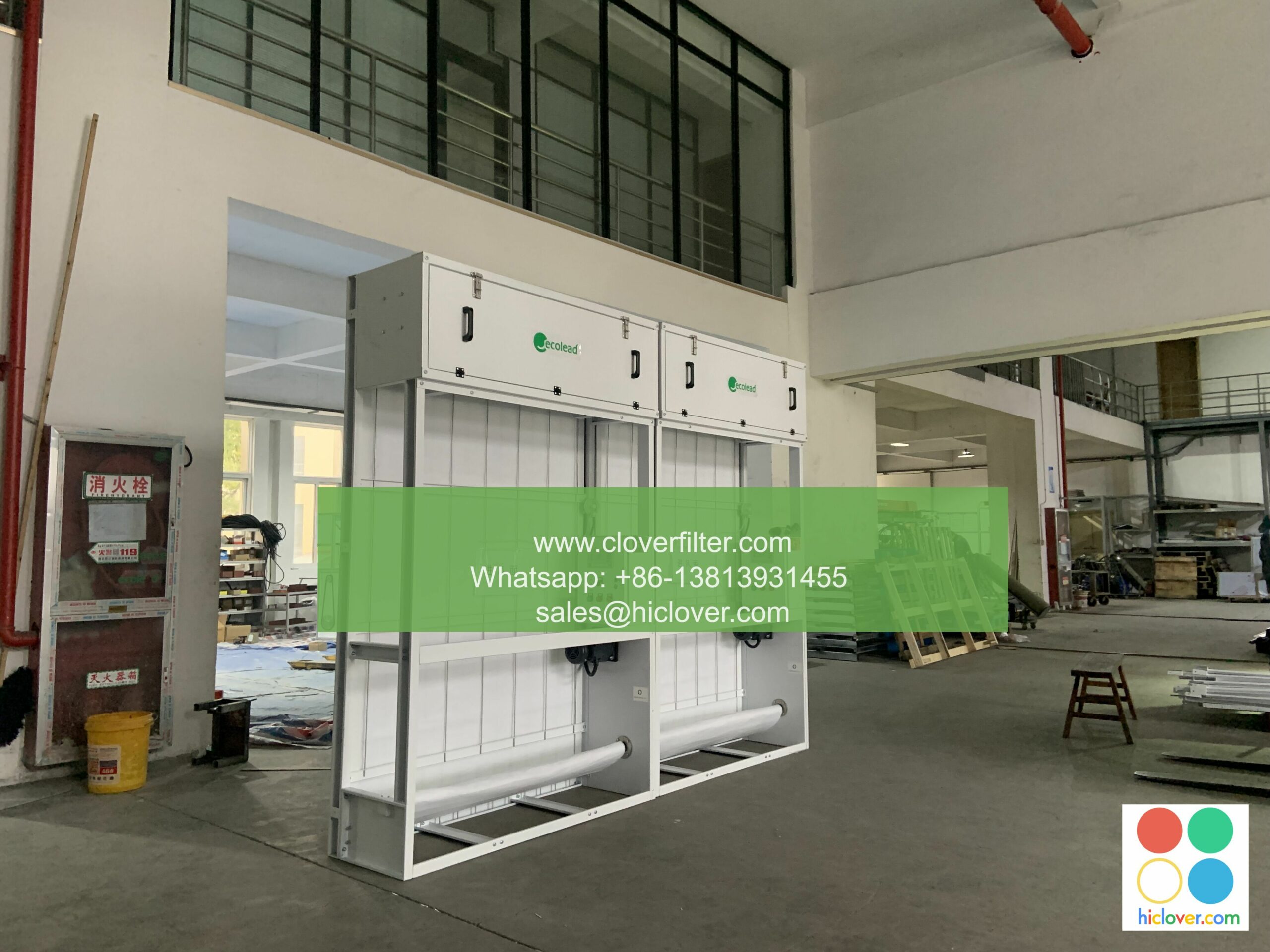
In recent years, the meat processing industry has faced increasing pressure to adopt more sustainable practices. As environmental concerns rise, the implementation of innovative technologies becomes essential. One such innovation is the introduction of Automatic Roll Air Filters. These advanced filtration systems promise to improve air quality while reducing the environmental impact of meat processing operations. This article will explore how these filters work, their benefits, and the various application areas within the meat processing industry.
Understanding Automatic Roll Air Filters
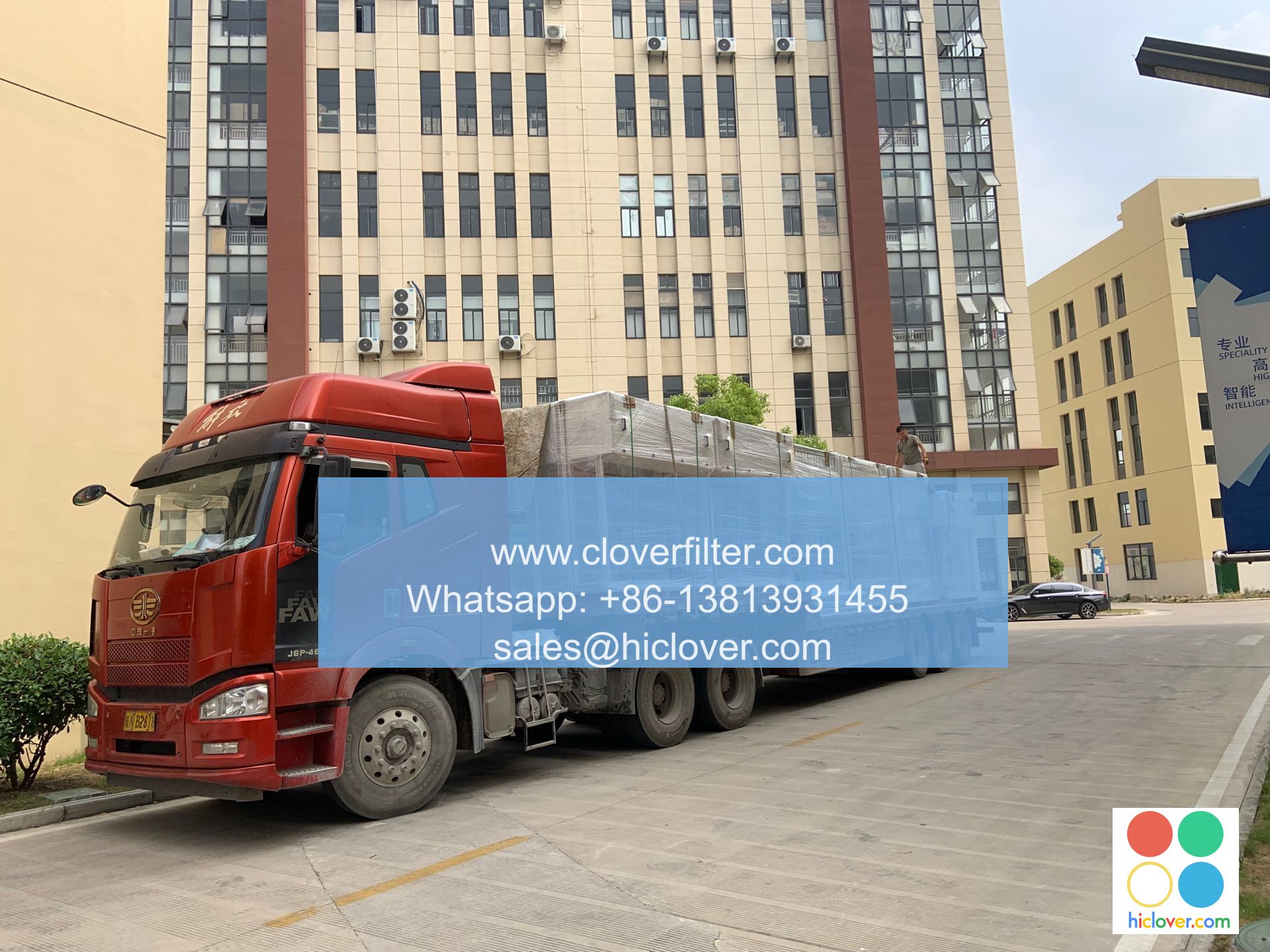
Automatic Roll Air Filters are designed to enhance air quality by efficiently removing particulate matter, allergens, and other pollutants from the atmosphere in processing facilities. The filters operate on a continuous roll system, where the filter media advances automatically as it collects contaminants. This efficient design minimizes downtime and labor costs associated with manual filter changes, ensuring seamless operation.
Key Features of Automatic Roll Air Filters
-
Efficiency: The continuous nature of the roll filter system means that air purification does not halt during filter changes. This ensures a consistent and high-quality air supply, crucial for maintaining hygienic conditions in meat processing environments.
-
Sustainability: By implementing these air filters, meat processing plants can significantly decrease their carbon footprint. The filters are designed to use less energy and reduce waste associated with traditional filter systems, creating a more eco-friendly operational framework.
-
Cost-Effectiveness: Although initial investment costs may be higher, the long-term savings from reduced energy consumption, lower labor costs, and improved air quality can yield substantial financial benefits.
Benefits of Cleaner Air in Meat Processing

The introduction of Automatic Roll Air Filters has far-reaching implications for meat processing facilities. Cleaner air translates to:
1. Enhanced Product Quality
Maintaining optimal air quality directly influences the quality and safety of meat products. Cleaner air helps prevent contamination, ensuring that meat processing meets the highest safety standards. This not only protects consumers but also enhances the reputation of meat processing companies.
2. Improved Worker Health
Airborne contaminants in meat processing environments can pose significant health risks to workers. By filtering harmful substances, Automatic Roll Air Filters contribute to a healthier workplace, reducing the likelihood of respiratory issues and other health problems related to poor air quality.
3. Regulatory Compliance
As environmental regulations become more stringent, compliance with air quality standards is paramount. The use of advanced air filtration systems allows meat processing facilities to meet or even exceed regulatory requirements, thereby minimizing the risk of fines and shutdowns.
Application Areas of Automatic Roll Air Filters in Meat Processing
Automatic Roll Air Filters have various applications within the meat processing industry. Some notable areas include:
1. Slaughterhouses
In slaughterhouses, effective air filtration is essential to minimize odors and airborne pathogens. Automatic Roll Air Filters help maintain a sanitary environment, promoting healthier meat production processes and improving worker comfort.
2. Meat Packing Facilities
During the packing phase, air quality can greatly influence the hygiene of meat products. The deployment of these advanced air filters ensures a clean atmosphere, reducing the risk of contamination during packaging and storage.
3. Processing Plants
Meat processing plants benefit immensely from the installation of Automatic Roll Air Filters throughout production lines. Enhanced air quality leads to better meat preservation, reducing spoilage and waste associated with poor air conditions.
4. Cold Storage Regions
Maintaining air quality in cold storage areas is crucial for meat safety. These filters help control humidity levels and reduce mold and bacterial growth, ensuring that meat remains fresh longer.
Conclusion
The meat processing industry is evolving toward greener and cleaner methods, and the introduction of Automatic Roll Air Filters is a significant advancement in this journey. With their ability to enhance air quality, improve worker health, and promote sustainability, these innovative filters promise to reshape the future of meat processing. As facilities continue to adopt eco-friendly practices, Automatic Roll Air Filters stand at the forefront of this critical transformation, ensuring a cleaner, greener, and more efficient future for the industry.
By embracing such innovative technologies, the meat processing sector can not only meet the demands of modern consumers but also contribute positively to environmental conservation, creating a win-win scenario for businesses and the planet alike.
