Meat Processing Made Cleaner: The Rise of Automatic Roll Air Filters in Maple Leaf Foods
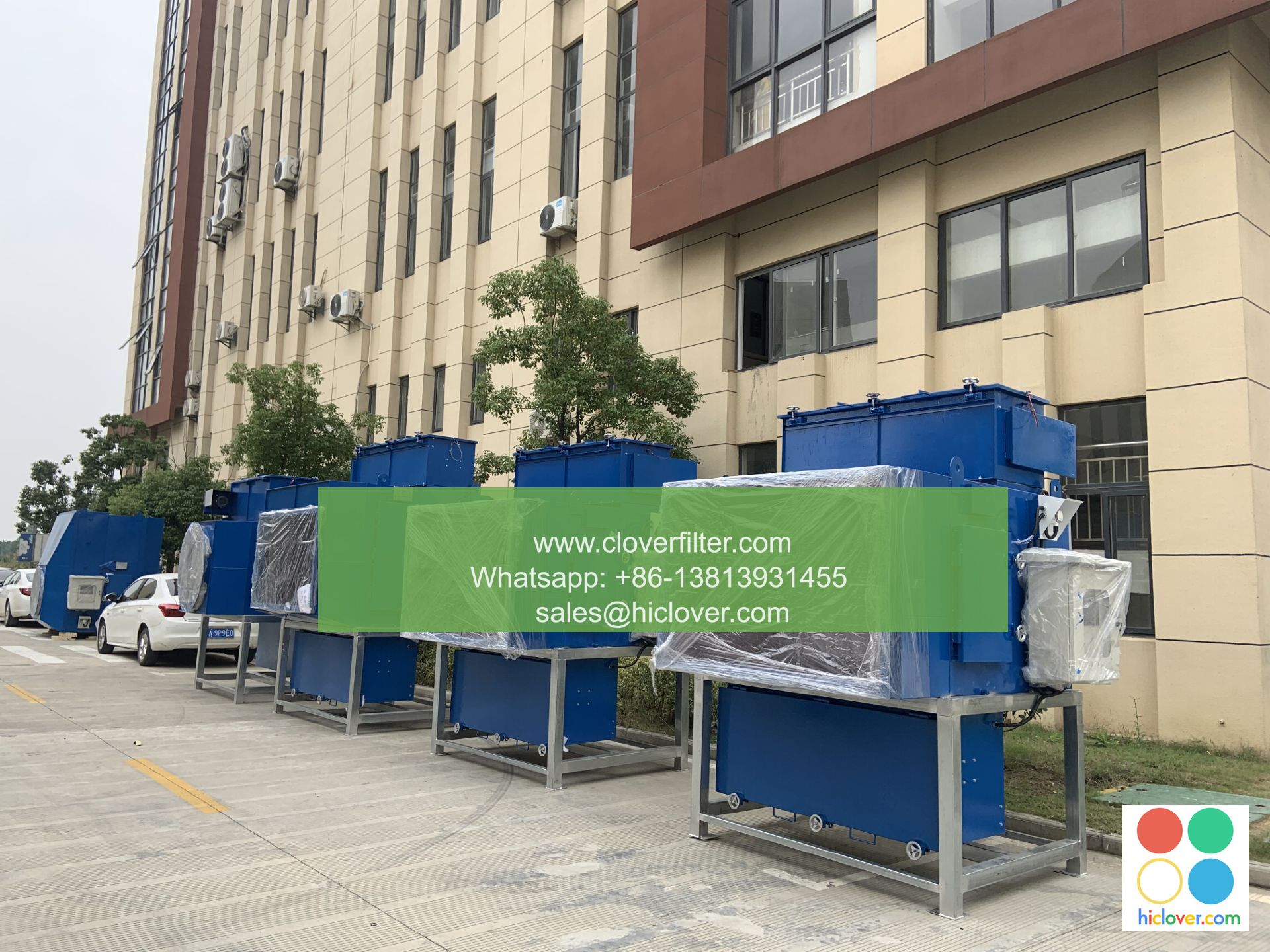
The meat processing industry has undergone significant transformations in recent years, with a growing emphasis on cleanliness, efficiency, and sustainability. One Canadian company, Maple Leaf Foods, has been at the forefront of this movement, embracing innovative technologies to enhance its operations. A key aspect of this modernization effort has been the implementation of automatic roll air filters, which have revolutionized the way the company manages airborne contaminants in its facilities.
Introduction to Automatic Roll Air Filters

Automatic roll air filters are advanced air filtration systems designed to provide continuous, high-efficiency filtration of airborne particles. These systems utilize a rolling filter media that automatically advances to a new, clean section as the preceding section becomes saturated with contaminants. This technology ensures that the air within the facility remains clean and free of debris, reducing the risk of product contamination and improving overall indoor air quality.
Application Areas in Meat Processing
The integration of automatic roll air filters in Maple Leaf Foods’ facilities has had a significant impact across various application areas, including:
- Production Floors: By maintaining a clean air environment, these filters help prevent product contamination, reducing the risk of recalls and improving food safety.
- Cold Storage Rooms: Automatic roll air filters are particularly beneficial in cold storage, where moisture can lead to the accumulation of mold and bacteria. They help in dehumidifying the air, thereby extending the shelf life of stored products.
- Bacterially Sensitive Areas: In areas where bacterial control is critical, such as in the processing of ready-to-eat meats, these filters play a crucial role in minimizing bacterial contamination, ensuring compliance with stringent food safety regulations.
- Waste Management Areas: Even in less controlled environments like waste management, clean air systems can reduce odors and the proliferation of pests, creating a healthier and more hygienic working environment.
- Enhanced Food Safety: By significantly reducing airborne contaminants, the company has improved the overall safety of its products, bolstering consumer trust and regulatory compliance.
- Increased Efficiency: These systems require less maintenance compared to traditional filters, as the automatic roll feature minimizes the need for manual filter replacements, thus reducing downtime and labor costs.
- Sustainability: With the ability to FILTER OUT particles and contaminants more effectively, Maple Leaf Foods has seen a reduction in energy consumption and waste production, aligning with its sustainability goals.
- Improved Indoor Air Quality: Beyond product safety, the cleaner air environment also enhances the health and comfort of employees, potentially leading to improved productivity and job satisfaction.

Benefits to Maple Leaf Foods
The adoption of automatic roll air filters has yielded numerous benefits for Maple Leaf Foods, including:
Future Perspectives and Challenges
As the meat processing industry continues to evolve, the role of technology like automatic roll air filters will become even more critical. While these advancements present opportunities for growth and improvement, they also come with challenges, such as the need for ongoing investment in research and development, and the training of personnel to effectively operate and maintain these systems.
Conclusion
The incorporation of automatic roll air filters in Maple Leaf Foods’ operations marks a significant step forward in the pursuit of cleaner, more efficient meat processing. As the food industry presses on towards a future defined by sustainability, technology, and consumer safety, innovations like these will be pivotal. Through their application, companies can not only meet but exceed the expectations of a changing marketplace, ensuring a healthier, safer food supply for generations to come.
