Montreal Biotech Cleanroom Best Practices: Automatic Roll Air Filter Maintenance and Repair
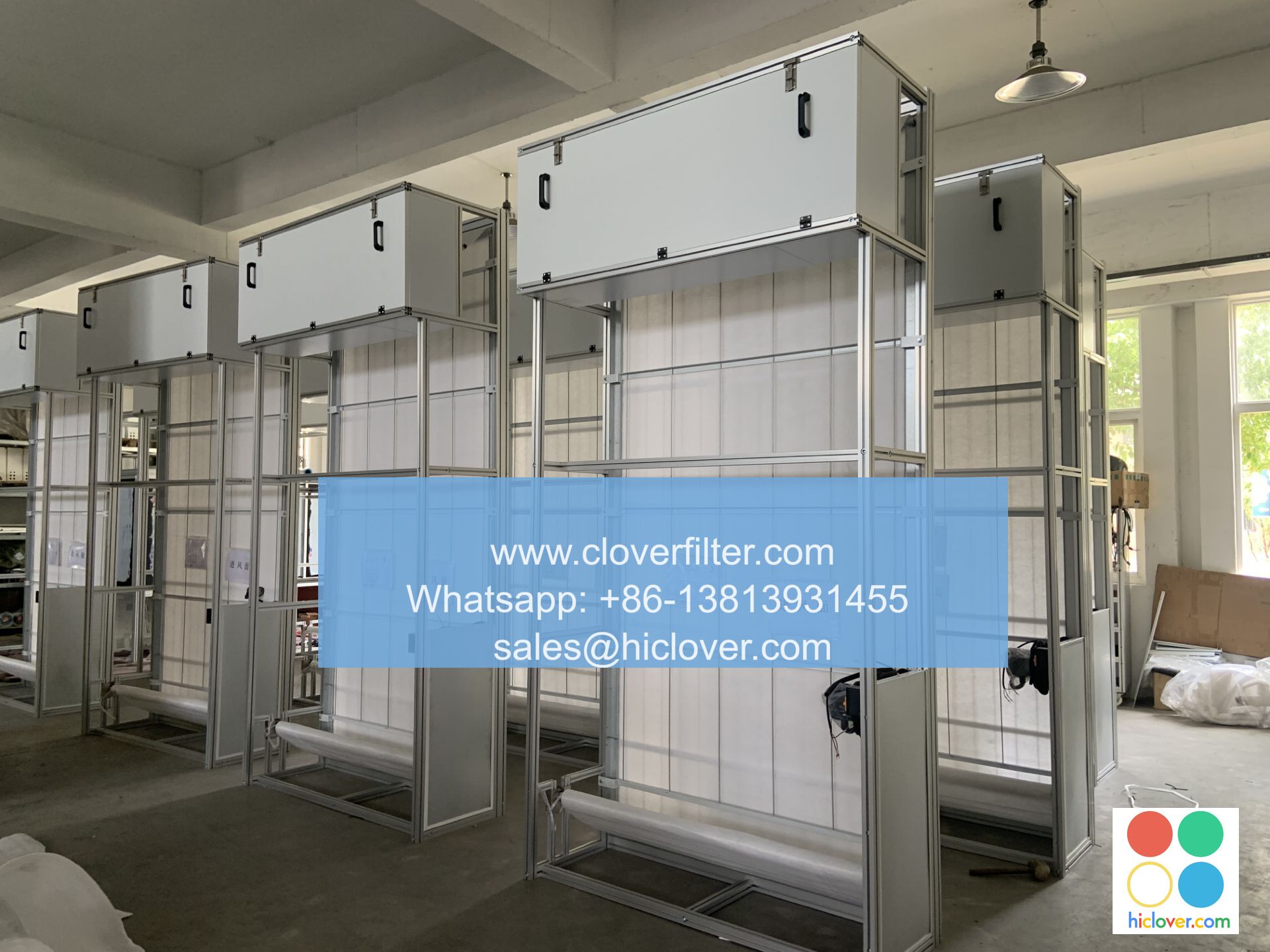
In the highly regulated environment of biotech cleanrooms, maintaining pristine conditions is paramount. Automatic roll air filter systems play a crucial role in ensuring that particulate contamination is kept to a minimum. In Montreal, where biotechnology continues to thrive, understanding the best practices for maintenance and repair of these systems is essential for operational efficiency and compliance with regulatory mandates. This article delves into best practices for maintaining automatic roll air filters in cleanrooms.
The Importance of Air Filters in Cleanrooms

Cleanrooms are environments specifically designed to minimize contamination from airborne particles, environmental pollutants, and microbial life. Within these controlled environments, air filters serve as the frontline defense, ensuring that the air remains clean and sterile. Automatic roll air filters help in:
- Removing particulates from the air, including dust and biological contaminants.
- Regulating airflow and pressure within the cleanroom.
- Contributing to the overall efficiency of HVAC systems.
- Ensuring compliance with industry standards and regulations.
Best Practices for Automatic Roll Air Filter Maintenance

To ensure that air filtration systems operate at optimum efficiency, regular maintenance is vital. Here are best practices specifically for automatic roll air filter maintenance:
1. Routine Inspections
Establish a regular inspection schedule for the air filtration system. During these inspections, technicians should:
- Check for signs of wear or damage to the filter and surrounding system.
- Test airflow rates to ensure they are within acceptable parameters.
- Evaluate the physical condition of the automatic roll system.
2. Filter Replacement
Automatic roll air filters should be replaced on a pre-determined schedule, typically based on usage and manufacturer recommendations. Factors that influence this schedule include:
- The level of particulate contamination in the environment.
- The type of work being conducted in the cleanroom.
- Regulatory demands specific to your operations.
3. Cleaning and Maintenance
In addition to replacing filters, the entire air handling unit should be regularly cleaned. This includes:
- Removing dust and debris from the filter housing.
- Inspecting and cleaning the fan and ductwork.
- Ensuring there are no leaks in the system that could compromise air integrity.
Repair Protocols
When issues are identified during inspections, timely repair is crucial to maintaining cleanroom standards. Here’s a streamlined approach for effective repairs:
- Document the failure to identify trends and root causes over time.
- Engage qualified technicians who specialize in cleanroom environments for repairs.
- Implement a corrective and preventive action (CAPA) process to prevent future failures.
Conclusion
Effective maintenance and repair of automatic roll air filters in Montreal’s biotech cleanrooms are essential for sustaining operational excellence and compliance with regulatory requirements. Adopting best practices such as routine inspections, timely filter replacements, and thorough cleaning will not only enhance air quality but also contribute to the longevity of your air filtration systems. By prioritizing these practices, organizations can ensure a consistent and sterile environment crucial for successful biotechnology operations.
FAQs
1. How often should automatic roll air filters be replaced?
Filters should be replaced according to manufacturer recommendations, typically every 6-12 months, depending on usage and contamination levels.
2. What are the signs that an air filter needs to be replaced?
Signs include reduced airflow, visible damage, and increased particulate counts in the cleanroom environment.
3. Can I clean the air filters instead of replacing them?
While some filters can be cleaned, most automatic roll filters are designed for single-use and should be replaced to maintain efficacy.
4. How can I ensure my cleanroom remains compliant with industry standards?
Regular monitoring, adhering to operational protocols, and keeping accurate maintenance records are essential for compliance.
