Montréal Cleanroom Technology: Automatic Roll Air Filters for Improved Cleanroom Performance

In the realm of cleanroom technology, maintaining an environment with controlled levels of contamination is paramount. Areas such as pharmaceuticals, biotechnology, and semiconductor manufacturing require stringent air quality standards to ensure product integrity and safety. One innovative solution gaining traction in Montreal’s cleanroom ecosystem is the implementation of automatic roll air filters. These systems are redefining how cleanrooms operate by enhancing air purification and overall performance.
Understanding Cleanroom Environments

Cleanrooms are specially designed spaces that maintain controlled temperatures, humidity levels, and air cleanliness. The main objective is to minimize exposure to airborne particles, chemicals, and other contaminants. Cleanrooms utilize HEPA (High-Efficiency Particulate Air) or ULPA (Ultra-Low Penetration Air) filters that effectively remove particles as small as 0.3 microns, ensuring a sterile environment. However, traditional filter systems often necessitate regular manual checks and replacements, which can lead to operational inefficiencies and increased labor costs.
The Role of Automatic Roll Air Filters
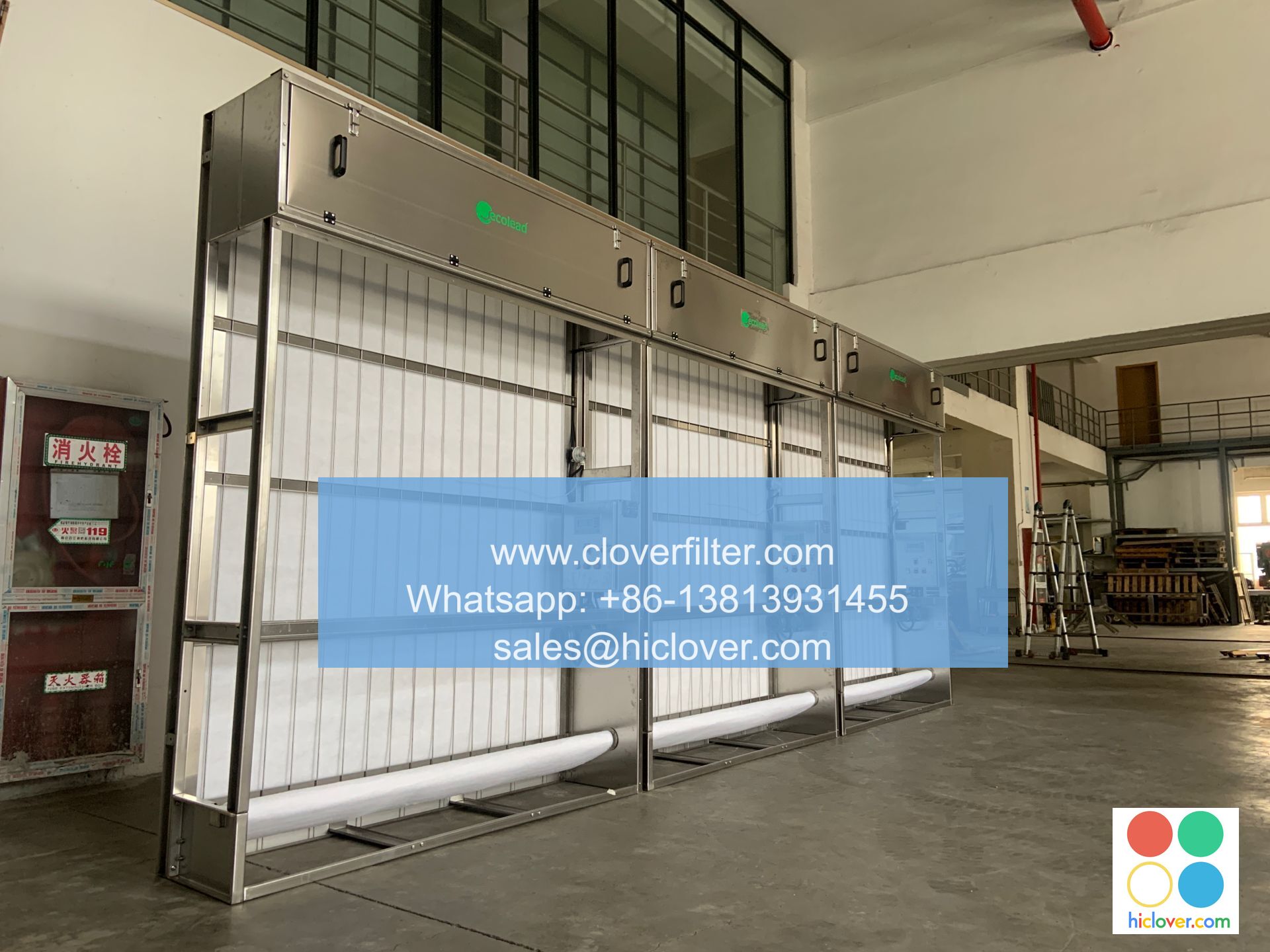
Automatic roll air filters represent a groundbreaking advancement in cleanroom technology. Instead of relying on rigid, static filters, these systems utilize a continuous roll of filter media that allows for ongoing filtration while ensuring optimal airflow. The primary advantages of automatic roll air filters lie in their ability to maintain consistent air quality while minimizing manual intervention.
Key features of automatic roll air filters include:
- Reduced Maintenance: The self-advancing mechanism of roll filters ensures that clean, unused filter media is always presented to the airflow, diminishing the frequency of manual checks and replacements.
- Consistent Performance: The continuous filtering process helps maintain uniform air quality and pressure balance throughout the cleanroom, preventing contamination peaks.
- Energy Efficiency: These systems are designed to optimize airflow, leading to reduced energy consumption and lower operational costs.
- Improved Safety: Consistent real-time monitoring reduces the potential for contamination events, enhancing workplace safety for employees.
Implementation in Montreal’s Cleanroom Sector
Montreal is home to a thriving cleanroom sector addressing the needs of various industries, including aerospace, electronics, and life sciences. The introduction of automatic roll air filters is a testament to the city’s commitment to innovation and quality in cleanroom technology. As these systems become more prevalent, cleanroom operators will find that they can achieve less downtime, operational efficiency, and better compliance with stringent regulatory standards.
Numerous local companies are already reaping the benefits of implementing automatic roll air filters. In the pharmaceutical industry, for instance, the ability to effectively manage contamination risks while simultaneously cutting costs translates into better bottom-line results and increased competitiveness. With tighter regulations in this sector, cleanroom operators are recognizing the necessity of maintaining an optimal air quality environment.
Conclusion
As industries continue to evolve, adopting advanced cleanroom technologies becomes increasingly vital. The use of automatic roll air filters in Montreal signifies a shift towards enhanced efficiency and effectiveness in maintaining cleanroom standards. This innovation not only drives operational efficiencies but also fosters a safer and more sustainable environment for producing sensitive products. The transition towards these advanced filtration systems reflects a proactive approach in meeting the demands of cleanroom applications, making Montreal a leader in cleanroom technology.
FAQs
1. What are automatic roll air filters?
Automatic roll air filters are continuous filtration systems that utilize a roll of filter media which advances automatically as particles accumulate, ensuring consistent filtration without frequent manual replacements.
2. How do these filters improve cleanroom performance?
They improve performance by providing consistent air quality, reducing maintenance needs, enhancing energy efficiency, and lowering contamination risks.
3. Are automatic roll air filters more expensive than traditional filters?
While the initial investment may be higher, the reduced maintenance costs and better operational efficiencies often result in lower overall expenditures in the long term.
4. In which industries can automatic roll air filters be implemented?
They can be used across various sectors, including pharmaceuticals, biotechnology, semiconductor manufacturing, aerospace, and food processing.
