Nanofiber Technology in Air Filters: Innovations and Applications
Key Takeaways:
- Nanofiber technology enhances filtration efficiency and reduces maintenance.
- Automatic Roll Air Filters can adapt in real-time based on airflow conditions.
- Understanding air filter materials is critical for optimizing air quality and system performance.
- Proper filter selection can lead to significant energy savings in HVAC systems.
- Compliance with ISO standards ensures quality without necessarily claiming specific certification.
- Efficient particulate control is essential in settings like cleanrooms and data centers.
- CloverFilter provides innovative solutions tailored for various industrial applications.
- Airflow Range: Ensure the selected filter can accommodate the required airflow.
- Face Velocity: This is critical to maintain efficiency while preventing excessive pressure drops.
- Media Width & Length: Dimensions should fit the installation space specified.
- Frame Size: Must align with the existing HVAC system infrastructure.
- Control Options: Determine preferences for automatic versus manual controls.
- Power Supply: Evaluate compatibility with existing electrical systems.
- Installation Location: Identify if the filter will be used for fresh air intake, return air, or process-specific applications.
- Ignoring airflow specifications: Verify that the filter can handle the designated airflow.
- Not assessing face velocity: Improper face velocity can lead to inefficiencies.
- Neglecting maintenance schedules: Automatic filters require regular checks despite low maintenance needs.
- Choosing the wrong filter type: Understand the application to select the most effective filter.
- Overlooking installation location: Ensure proper integration with existing systems.
- Failing to monitor differential pressure: Install gauges to keep track of pressure differences.
- Assuming all filters are the same: Different air filter materials can significantly impact performance.
- Ignoring local regulations: Stay informed about compliance regarding indoor air quality.
- Failing to train staff: Ensure proper understanding of how to manage air filtration systems.
- Choosing price over quality: Evaluate total cost of ownership rather than just upfront costs.

Understanding Automatic Roll Air Filters

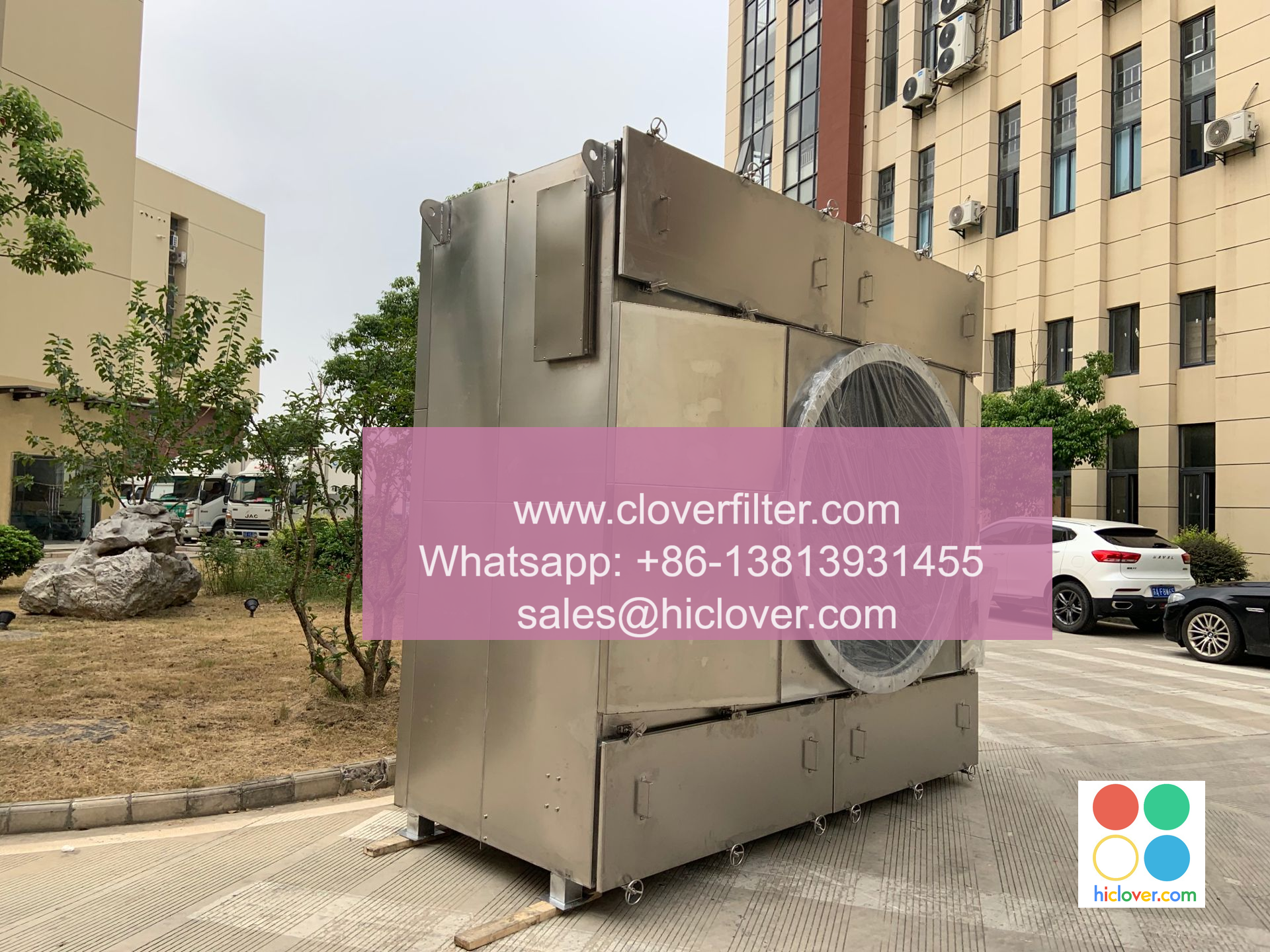
Automatic Roll Air Filters represent a significant innovation in air filtration technology. Utilizing advanced air filter materials, these filters employ a roll media advance logic that allows the filter media to automatically move forward, providing a continuous surface for contaminant capture. The system is equipped with a differential pressure trigger that detects when resistance builds up due to accumulated dust and particles, activating a timer mode that advances the roll. This automation minimizes manual maintenance while ensuring consistent air quality in HVAC applications.
In HVAC systems, Automatic Roll Air Filters are best used as AHU pre-filters, helping to maintain clean air intake for systems serving factories, cleanrooms, data centers, and other critical environments. By continually refreshing the roll media, these systems help achieve optimal efficiency in fresh air intake, ensuring that clients remain compliant with industry standards such as ISO 16890.
Key Applications of Air Filter Materials
Why Choose Nanofiber Technology?
Nanofiber technology allows for the creation of air filter materials that exhibit superior filtration performance by using fibers that are much finer than traditional materials. This leads to higher surface areas ideal for trapping smaller particles, thus enhancing particulate control. Not only does this improve air quality, but it also contributes to energy savings by reducing the load on HVAC systems.
Practical Selection Guide for Air Filters
When considering an Automatic Roll Air Filter, it’s essential to assess several factors for proper application:
By thoroughly analyzing these elements, procurement managers can optimize the performance of their air filtration systems.
Comparison Table: Air Filter Technologies
| Filter Type | Best Use Case | Maintenance | Pressure Drop Behavior | Operating Cost | Typical Risk/Downside |
|---|---|---|---|---|---|
| Automatic Roll Air Filter | Dusty environments, high volume | Low | Low to moderate | Moderate | Initial cost higher |
| Bag Filter | Industrial applications | Moderate to high | Moderate | High | Clogging, requires periodic replacement |
| Panel Filter | Light duty | Low | Low | Low | Limited lifecycle |
| V-bank | Large air volumes | Moderate | Moderate to high | Moderate | Space-consuming |
Common Mistakes & How to Avoid Them
Real-World Scenarios
Data Center
In a data center, maintaining a clean environment is essential. An Automatic Roll Air Filter was installed to handle high airflow rates while ensuring minimal pressure drops. This choice led to improved efficiency, reduced maintenance intervention, and enhanced uptime for operations.
Lithium Battery Factory
In a lithium battery production facility, airborne particulate matter can be detrimental. CloverFilter’s Automatic Roll Air Filters managed to significantly reduce dust contamination, thereby improving product quality and safety standards.
Paint Shop
During the painting process, controlling fumes and particulate matter is critical. By utilizing CloverFilter’s advanced filtration solutions, air quality improved with lower VOC emissions, achieving compliance with local environmental regulations.
Textile/Cement/Steel Plant
In industrial settings like textile and cement plants, heavy dust loads are common. Implementing the Automatic Roll Air Filter not only helped in maintaining cleaner production areas but also resulted in significant energy savings due to better airflow management.
Frequently Asked Questions
Q1: What makes Nanofiber technology superior for air filtration?
A1: Nanofibers provide higher surface area and finer filtration, allowing them to trap more particles effectively compared to traditional materials.
Q2: How often should I check my Automatic Roll Air Filter?
A2: Though low-maintenance, it’s advisable to conduct visual inspections regularly and monitor differential pressure.
Q3: Can I use Automatic Roll Filters in various environments?
A3: Yes, they can be tailored for numerous applications, such as data centers, manufacturing, and healthcare.
Q4: What are the advantages of using roll filters over bag filters?
A4: Roll filters often provide lower pressure drops and require less frequent maintenance compared to bag filters.
Q5: What is the importance of MERV ratings?
A5: MERV ratings help gauge filter efficiency in removing airborne particles and are an essential consideration in selecting air filter materials.
Q6: Do CloverFilter products comply with ISO standards?
A6: CloverFilter products are designed to meet industry standards; specific certifications can be provided upon request.
Q7: How do I select the right size for my filter?
A7: Assess the airflow requirements and installation specifications to determine the appropriate filter dimensions.
Q8: Are Automatic Roll Air Filters energy efficient?
A8: Yes, they promote energy savings by minimizing pressure drops and maintaining airflow efficiency.
Q9: What maintenance features do Automatic Roll Filters have?
A9: Features include automatic media advancement, differential pressure triggers, and low manual maintenance requirements.
Q10: Can automatic filters be customized for special applications?
A10: Yes, CloverFilter offers solutions tailored to meet specific industry needs and filter performance requirements.
Meta Description: Discover how nanofiber technology enhances air filter materials, focusing on efficiency, energy savings, and innovations in Automatic Roll Air Filters from CloverFilter.
To explore advanced solutions for your air filtration needs, reach out to CloverFilter at Contact Us.
Of course! What specific prompt or topic would you like me to help you with?
