Nanoparticle Removal Efficiency of Automatic Roll Air Filters in Cleanrooms
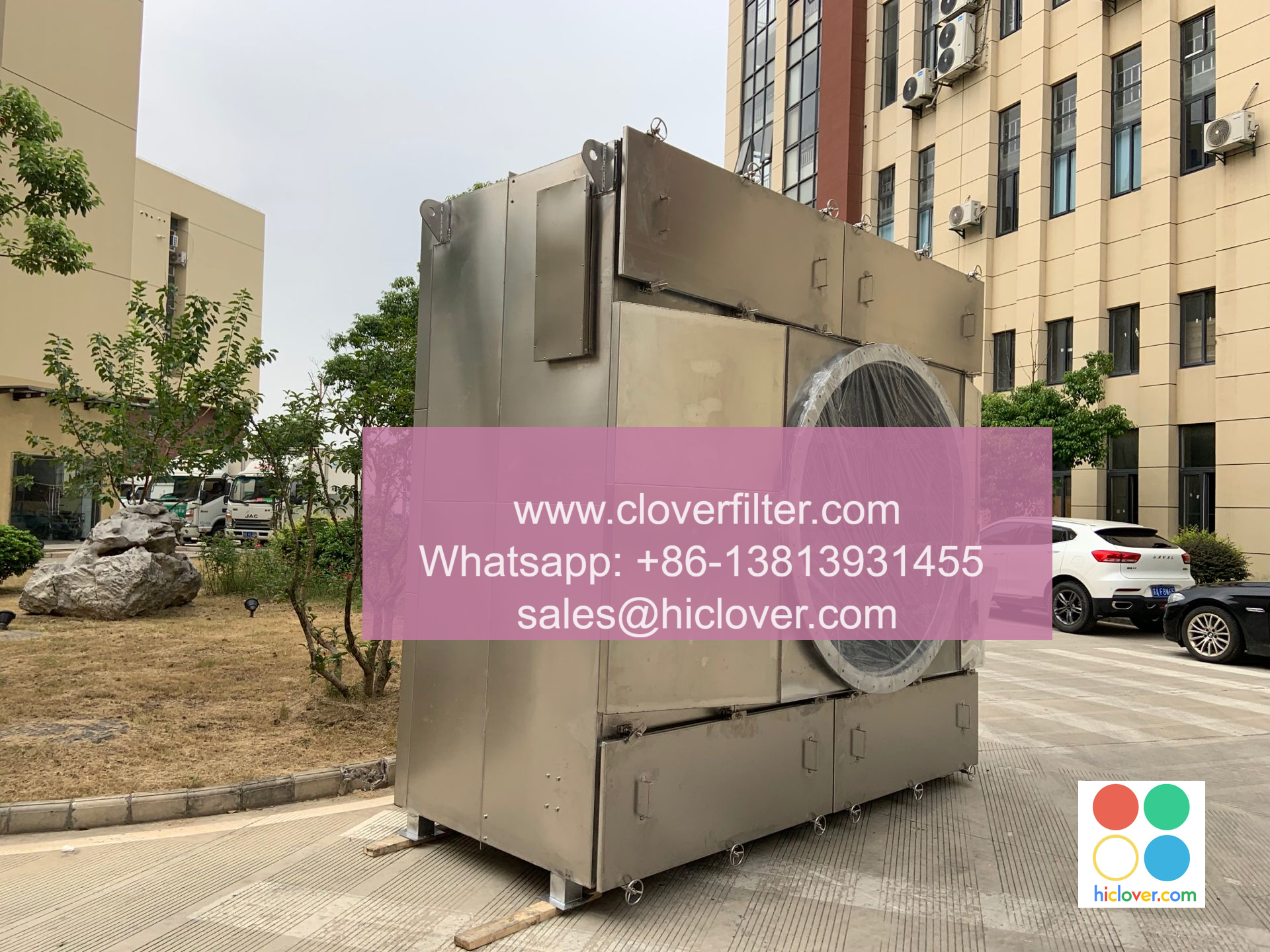
Cleanrooms are controlled environments that require precise control over temperature, humidity, and air quality to minimize contamination. One crucial aspect of maintaining cleanroom air quality is the use of automatic roll air filters, which are designed to capture nanoparticles and other airborne contaminants. In this article, we will delve into the nanoparticle removal efficiency of automatic roll air filters in cleanrooms, highlighting their applications in pharmaceutical manufacturing, biotechnology research, and semiconductor production.
Introduction to Automatic Roll Air Filters
Automatic roll air filters are designed to provide a continuous supply of clean air in cleanrooms, operating rooms, and other controlled environments. These filters use a rolling media design, which allows for easy replacement and minimizes downtime. The filters are typically made of a polymer-based material or glass fiber, which provides excellent aerosol filtration and nanoparticle removal efficiency.
Nanoparticle Removal Efficiency
The nanoparticle removal efficiency of automatic roll air filters is a critical parameter in cleanroom applications. These filters are designed to capture ultrafine particles (UFPs) and nanoparticles (NPs) with diameters ranging from 1-100 nanometers. The removal efficiency of these filters is typically measured using aerosol challenge tests, which involve introducing a known concentration of nanoparticles into the filter and measuring the downstream concentration.
Applications in Cleanrooms
Automatic roll air filters have a wide range of applications in cleanrooms, including:
* Pharmaceutical manufacturing: Cleanrooms are used to manufacture injectable drugs, tablets, and capsules, which require strict control over airborne contamination.
* Biotechnology research: Cleanrooms are used to conduct cell culture, gene editing, and protein purification experiments, which require precise control over temperature, humidity, and air quality.
* Semiconductor production: Cleanrooms are used to manufacture microchips,

Advantages and Limitations
The advantages of automatic roll air filters include:
* High nanoparticle removal efficiency
* Low pressure drop
* Easy replacement and maintenance
However, these filters also have some limitations, including:
* High upfront costs
* Energy consumption
* Potential for filter bypass and contamination
Conclusion
In conclusion, automatic roll air filters are a crucial component of cleanroom air quality control systems, providing excellent nanoparticle removal efficiency and a wide range of applications in pharmaceutical manufacturing, biotechnology research, and semiconductor production. While these filters have some limitations, their advantages make them an essential tool for maintaining ultra-clean environments and preventing contamination. As the demand for cleanrooms continues to grow, the development of more efficient and cost-effective automatic roll air filters will be critical to meeting the needs of various industries.
