Navigating the Supply Chain: Tips for Air Filter Wholesalers
Key Takeaways:
- Understanding the function of an Automatic Roll Air Filter enhances HVAC systems.
- Selecting the right air filter wholesale option is crucial for efficiency.
- Be aware of common mistakes to optimize procurement processes.
- Familiarize yourself with varying standards and compliance frameworks.
- Real-world applications demonstrate the necessity for quality air filters.
- Airflow Range: Ensure the filter can handle the cubic feet per minute (CFM) specific to your facility’s requirements.
- Face Velocity: Ideal face velocities vary; plan for optimal rates that match your filter application.
- Media Width/Length: Match the dimensions with the air handling specifications.
- Frame Size: Ensure compatibility with existing systems for seamless installation.
- Control Options: Look for filters offering automated controls for ease of use.
- Power Supply: Make sure to assess the electrical requirements needed for operation.
- Installation Location: Determine whether these filters will be placed in fresh air intake, return, or process systems.
- Underestimating Airflow Requirements: Always conduct airflow measurements before selection.
- Choosing Filters Without Quality Certifications: Look for ISO 16890 or MERV ratings, where applicable.
- Ignoring Maintenance Needs: Understand the operational upkeep needed for each filter type.
- Failing to Consider Specific Applications: Tailor your selection based on the unique demands of your environment.
- Overlooking Differential Pressure Monitoring: Implement gauges to track performance and efficiency.
- Neglecting Installation Requirements: Confirm compatibility with existing systems to avoid additional costs.
- Assuming One Size Fits All: Different industries and applications require different filter systems; research accordingly.

What is an Automatic Roll Air Filter?
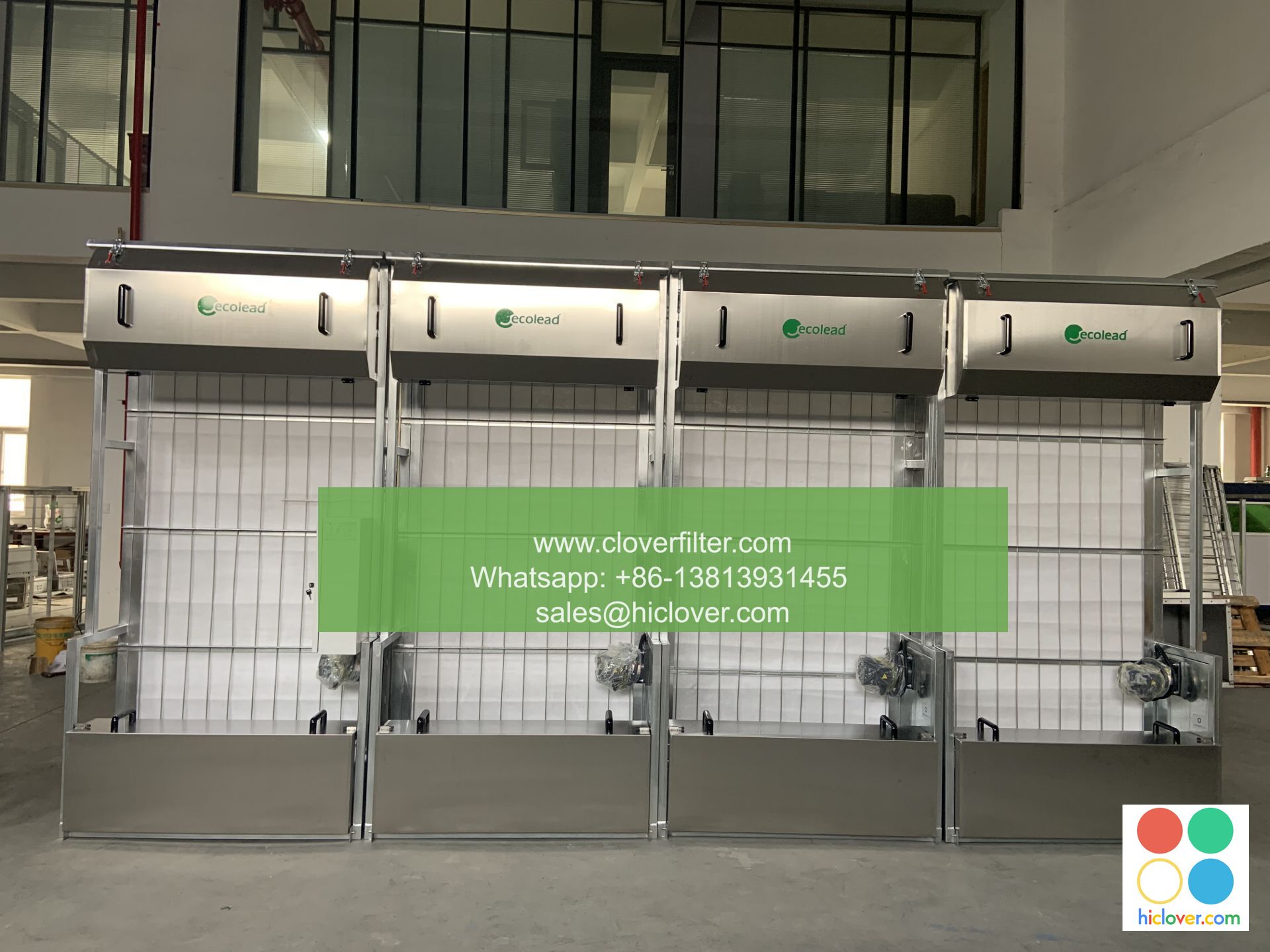
An Automatic Roll Air Filter is an innovative solution designed to enhance the air quality in HVAC systems by utilizing a roll media advance logic for effective filtration. These filters feature a timer mode and a differential pressure trigger, ensuring that the air filters are automatically changed at optimal intervals without manual intervention. This functionality plays a critical role across various industries, including data centers, battery plants, and cleanrooms.

By integrating into the air handling unit (AHU) system, Automatic Roll Air Filters efficiently manage fresh air intake and are capable of significantly reducing maintenance efforts. The design minimizes the risk of air pollutants and ensures consistent air quality, which is particularly vital in environments requiring stringent particulate control.
Importance of Air Filter Wholesale
When procuring air filters, particularly at an air filter wholesale level, it’s essential to consider various factors. Not only should the filters meet operational requirements, but they should also contribute to energy savings and improved maintenance cycles. Understanding the specifics of your application is key to making informed purchasing decisions.
Practical Selection Guide for Air Filters
To select the right air filter, consider the following factors:
Understanding these factors enhances performance and promotes longer filter life.
Comparison of Filter Types
| Filter Type | Best Use Case | Maintenance | Pressure Drop Behavior | Operating Cost | Typical Risk/Downside |
|---|---|---|---|---|---|
| Automatic Roll Air Filter | AHU prefilter systems | Low (automatic) | Moderate | Medium | Initial investment cost |
| Bag Filter | High dust environments | Moderate | Low | Medium-High | More frequent replacements |
| Panel Filter | General HVAC use | High (manual) | High | Low | Inefficient in dense pollution |
| V-bank | Industrial air intake | Low to Moderate | Moderate | Medium | Limited particulate control |
The automatic roll filter stands out for its low maintenance and efficiency, while each filter type has optimal scenarios where they excel.
Common Mistakes & How to Avoid Them
By staying aware of these pitfalls, air filter wholesalers can streamline their operations and improve performance.
Real-World Scenarios
Data Center
In one case, a data center implemented Automatic Roll Air Filters, resulting in a significant decrease in maintenance costs. With the continuous roll media, air quality improved while ensuring the sensitive equipment remained dust-free.
Battery Factory
In a lithium battery manufacturing plant, the Automatic Roll Air Filter reduced particulate contamination considerably. This improvement not only enhanced product quality but also adhered to the stringent safety regulations in place.
Paint Shop
A paint booth adopted the Automatic Roll Air Filters to manage VOC (volatile organic compound) levels effectively. The system’s automatic refresh feature drastically reduced the time spent on manual filter changes.
Textile/Steel/Cement Plant
A cement plant incorporated Automatic Roll Air Filters to deal with heavy dust conditions. The facility saw a measurable decrease in equipment wear and tear, leading to increased operational efficiency.
Frequently Asked Questions (FAQ)
Q1: What is the lifespan of an Automatic Roll Air Filter?
A1: The lifespan depends on application conditions, typically lasting several months to a year.
Q2: Can I retrofit an Automatic Roll Air Filter into existing AHUs?
A2: Yes, consult with experts to ensure compatibility and optimal performance.
Q3: What are typical applications for Automatic Roll Air Filters?
A3: They are suitable for cleanrooms, data centers, industrial plants, and more.
Q4: How do I determine the proper size filter for my system?
A4: Measure your air handling unit’s dimensions and verify airflow rates.
Q5: What maintenance is required for Automatic Roll Air Filters?
A5: Regular checks for differential pressure are essential; automated systems reduce manual labor.
Q6: Are there energy savings associated with using Automatic Roll Air Filters?
A6: Yes, optimized airflow and reduced pressure drops can lead to significant energy savings.
Conclusion
Selecting the right air filter for your operation can seem daunting. However, with an understanding of various filter types, precise specifications, and the advantages of Automatic Roll Air Filters from CloverFilter, you can navigate the supply chain effectively. This will not only meet regulatory standards but also enhance operational efficiency.
For customized guidance on air filtration solutions, connect with our team at CloverFilter by visiting CloverFilter’s contact page.
Meta Description: Discover effective strategies for air filter wholesalers. Learn about the benefits of Automatic Roll Air Filters and how to choose the right filters for your needs.
It appears that you entered “Prompt” without any additional context. How can I assist you today? If you have a specific question, topic, or idea in mind, please share more details!
