Navigating the World of Air Filter Specifications
Key Takeaways
- Understand the terminology of air filters and how it impacts selection.
- Learn about the functionality of Automatic Roll Air Filters for HVAC systems.
- Explore the different specifications to consider during procurement.
- Discover a comparison of filter types to streamline decision-making.
- Identify common pitfalls in air filter selection and how to avoid them.
- Fresh Air Intake: Infiltrating clean air from outside, making it ideal for environments needing high air quality.
- Return: Re-filtering air that circulates within rooms, critical for maintaining indoor air standards.
- Process: Needed in environments with specific air quality requirements, such as cleanrooms and manufacturing areas.
- Airflow Range: Ensure the filter can handle the required throughput without compromising efficiency.
- Face Velocity: Assess the acceptable speed of airflow across the filter.
- Media Width/Length: Choose dimensions based on equipment space constraints and system design.
- Frame Size: Ensure compatibility with existing ducts or AHU housings.
- Control Options: Determine the necessary monitoring capabilities, such as remote access or timer settings.
- Power Supply: Ensure compatibility with existing electrical systems.
- Installation Location: Choose a site that allows for easy access and maintenance.
- Not assessing airflow requirements properly.
- Ignoring pressure drop considerations.
- Failing to understand the importance of differential pressure.
- Choosing filters based on price alone rather than performance.
- Not regularly checking filter condition.
- Overlooking the operational costs over time.
- Underestimating the implications of maintenance reduction.
- Misjudging the lifecycle of different filter types.
- Neglecting the control features available.
- Assuming all filters will meet the same air quality standards.
-
Data Center: An Automatic Roll Air Filter was implemented to maintain optimal air quality, significantly enhancing airflow while minimizing downtime due to maintenance.
-
Battery Factory: In a lithium battery plant, the use of advanced filters helped in controlling particulate emissions effectively, ensuring compliance with internal air quality standards.
-
Paint Shop: A dual filtration setup with Automatic Roll Air Filters improved efficiency, maintaining a clean environment and reducing VOC levels, thus protecting both workers and products.
-
Textile/Steel/Cement: The integration of these filters within the HVAC system reduced maintenance cycles and improved the overall air quality, aligning operations with health regulations.

What is an Automatic Roll Air Filter?
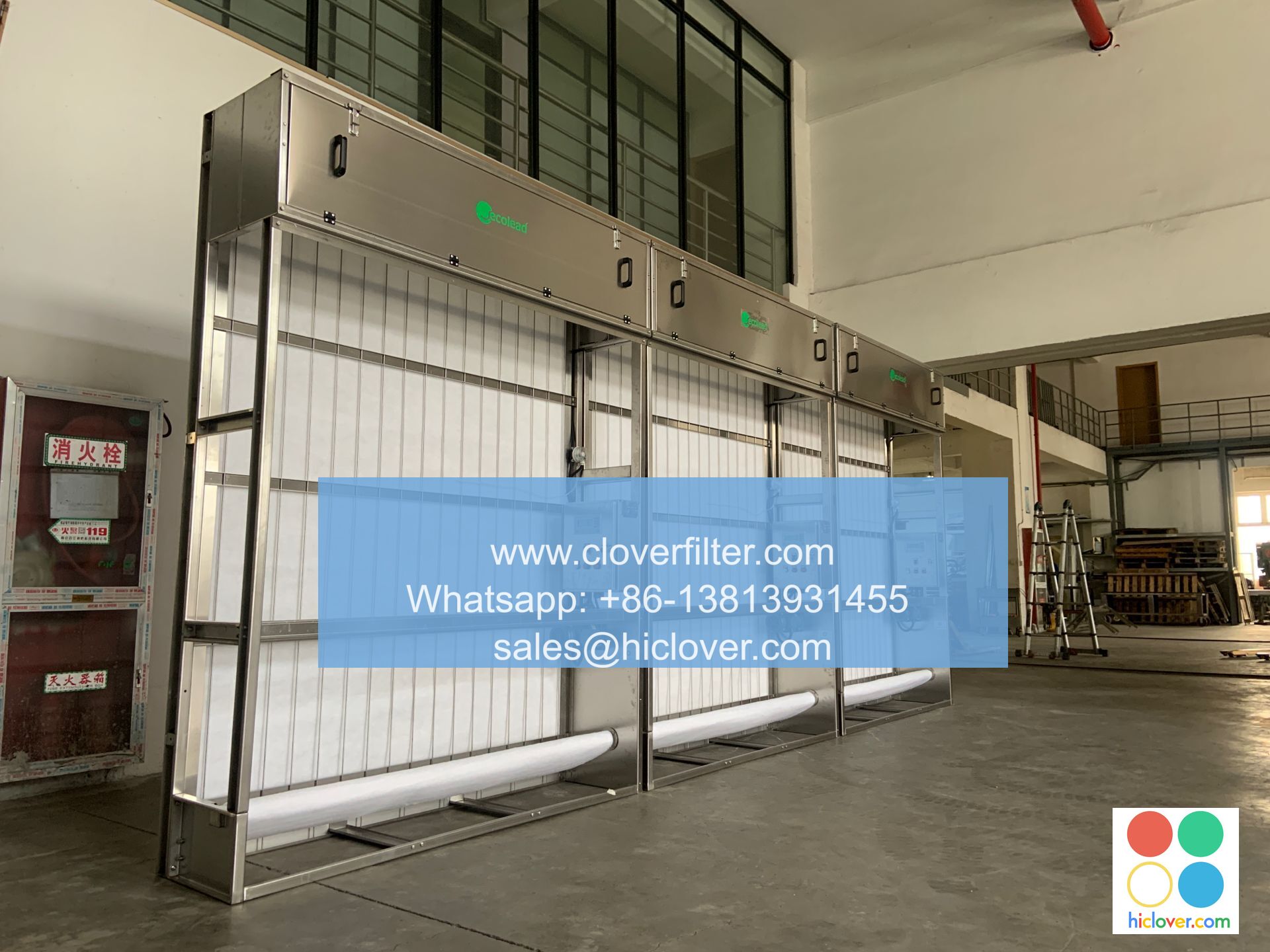
An Automatic Roll Air Filter is a dynamic filtering solution designed to provide efficient air filtration in various industrial settings. Equipped with a roll media advance mechanism, this filter continuously provides fresh air while maintaining optimal filtration levels. It works on a differential pressure trigger that automatically initiates media advancement when pressure builds up, ensuring that filter replacement occurs before efficiency declines. This automated mechanism can be adjusted to operate in timer mode, allowing flexibility in maintenance scheduling without sacrificing air quality.
Air Filter Terms and Conditions

The terms and conditions surrounding air filters often present challenges for procurement managers and engineers. Understanding concepts like MERV ratings, airflow ranges, and the implications of compliance with industry standards such as ISO 16890 is critical. With so many air filter terms in play, getting it right can often make the difference between satisfactory performance and system failure.
Installation Location: Fresh Air Intake vs. Return vs. Process
In HVAC and air handling units (AHUs), the placement of air filters is as crucial as the type selected. Automatic Roll Air Filters can be installed in different locations depending on the system requirements:
Practical Selection Guide
When selecting an Automatic Roll Air Filter, consider the following parameters:
Comparison Table: Filter Types
| Filter Type | Best Use Case | Maintenance | Pressure Drop Behavior | Operating Cost | Typical Risk/Downside |
|---|---|---|---|---|---|
| Automatic Roll Air Filter | High airflow applications | Low | Minimal | Moderate | Dependence on mechanism |
| Bag Filter | Standard industrial applications | Medium | Moderate | Low | Limited media longevity |
| Panel Filter | General HVAC use | Low | Higher | Moderate | More frequent replacements |
| V-bank Filter | High-efficiency requirements | Medium | Low | High | Higher upfront costs |
Common Mistakes & How to Avoid Them
Real-World Scenarios
FAQ
What is the lifespan of an Automatic Roll Air Filter?
The lifespan can vary based on usage and environmental conditions, but regular monitoring ensures optimal performance.
Are Automatic Roll Air Filters energy efficient?
Yes, they can enhance energy savings by reducing pressure drops and maintenance needs over traditional filters.
Can these filters be customized for specific applications?
Yes, CloverFilter offers customizable options to meet unique facility needs.
How do I know when to change the filter?
Monitoring differential pressure indicators will help determine the optimal change times.
What are the advantages of using roll media?
Roll media allows for a larger filtration surface area, improving airflow while minimizing pressure drops.
Are the filters compliant with industry standards?
CloverFilter’s Automatic Roll Air Filters are designed to meet general compliance frameworks, available on request.
Meta Description: Explore Automatic Roll Air Filters and understand air filter terms and conditions to optimize your industrial filtration system and energy efficiency.
If you are ready to enhance your air filtration systems with CloverFilter, visit us at CloverFilter and contact us for further information.
It seems like your message got cut off. Could you please provide more details or clarify what you would like assistance with?
