Nestlé Canada’s North York Facility: A Model for Clean Process Zones with Automatic Roll Air Filters
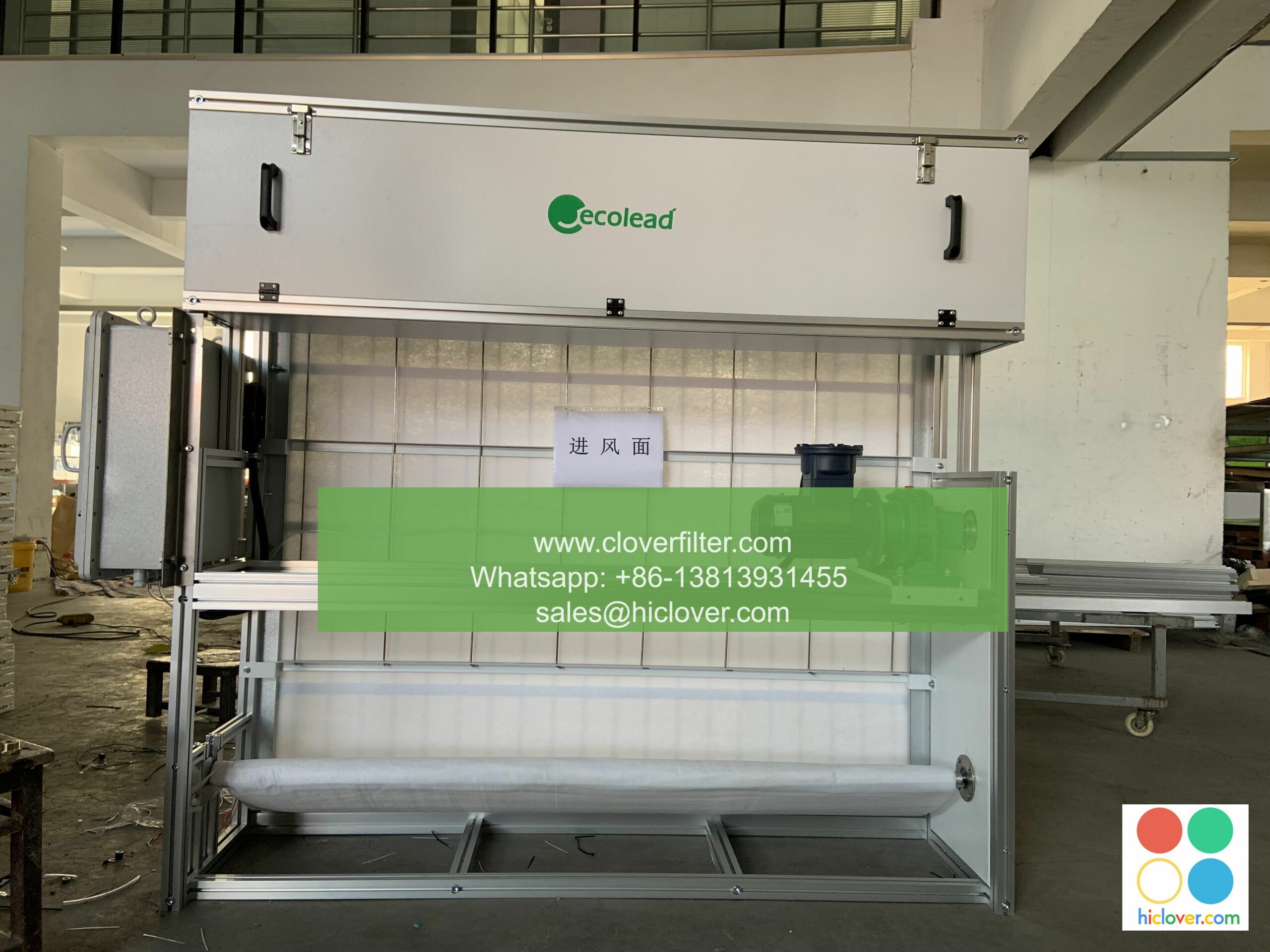
Nestlé Canada’s North York facility stands at the forefront of innovation in the food manufacturing industry. Known for its commitment to sustainability and operational excellence, this facility has implemented state-of-the-art technologies, such as automatic roll air filters, to ensure a clean and efficient working environment. This article explores how these advanced systems create clean process zones, enhancing productivity and safety while benefiting employees and product quality.
The Importance of Clean Process Zones

Clean process zones are vital in any manufacturing environment, particularly in the food sector where hygiene and safety are paramount. They help eliminate contaminants, maintain product integrity, and enhance worker safety. In the context of Nestlé Canada’s North York facility, the focus on clean process zones serves various essential application areas:
-
Food Safety:
The implementation of automatic roll air filters ensures that the air quality meets stringent food safety standards. Contaminants that could compromise the quality of Nestlé’s diverse product lines, such as soups, sauces, and infant nutrition, are effectively filtered out, minimizing the risk of contamination and enhancing product integrity. -
Employee Health:
A clean work environment leads to better employee health outcomes. By reducing airborne particles, allergens, and potential pathogens, the facility promotes the well-being of its workforce. This attention to employee health not only fosters a positive workplace culture but also enhances overall productivity. -
Operational Efficiency:
Automatic roll air filters enhance operational efficiency by ensuring that machinery operates in an optimal environment. By keeping the workspace cleaner, these filters reduce wear and tear on equipment, resulting in lower maintenance costs and minimizing downtime. This is particularly crucial in a facility producing large volumes of food products.
How Automatic Roll Air Filters Work
Automatic roll air filters represent a significant advancement in air filtration technology. Unlike traditional filters that require manual replacement, these systems feature a roll of filter media that automatically replaces the used filter material with fresh, clean media. This innovative design provides several benefits:

Key Benefits
-
Continuous Operation:
The automatic mechanism allows for uninterrupted operation, ensuring that clean air is continuously circulated throughout the facility. -
Reduced Labor Costs:
With less manual maintenance required, labor costs are significantly reduced, allowing staff to focus on more critical tasks. -
Enhanced Filtration Efficiency:
The filter’s design offers increased filtration efficiency, capturing finer particles and improving overall air quality in clean process zones.
Sustainable Practices at the North York Facility
Nestlé’s North York facility is not only a model for clean process zones but also demonstrates a commitment to sustainability. The following application areas illustrate this commitment:
-
Energy Efficiency:
Automatic roll air filters consume less energy compared to traditional filter systems, aligning with Nestlé’s broader sustainability goals. By reducing energy consumption, the facility lowers its carbon footprint, which is essential in tackling climate change. -
Waste Reduction:
The roll design minimizes waste since only the used portion of the filter is replaced, dramatically decreasing the amount of discarded materials. -
Water Conservation:
In addition to air filtration, the facility incorporates water-saving technologies in its processing operations. This dual approach ensures that both air and water quality are maintained, further contributing to the overall sustainable practices of the facility.
A Template for Future Facilities
The North York facility sets a benchmark for future food manufacturing plants by integrating clean process zone technologies, automatic roll air filters, and sustainable practices. Organizations looking to enhance their operational capabilities can learn from Nestlé’s approach and adopt similar strategies tailored to their specific needs.
Conclusion
Nestlé Canada’s North York facility exemplifies how modern technology, such as automatic roll air filters, can create clean process zones that promote food safety, improve employee health, and enhance operational efficiency. This facility not only prioritizes the cleanliness of the air but also embraces sustainable practices, setting a high standard for the entire food manufacturing industry. As more companies look to innovate and improve their operations, they can look to Nestlé’s model as a guiding framework for implementing clean technologies and sustainable practices in their facilities.
The Importance of Clean Process Zones
Clean process zones are vital in any manufacturing environment, particularly in the food sector where hygiene and safety are paramount…
Key Benefits
- Continuous Operation: The automatic mechanism allows for uninterrupted operation…
- Reduced Labor Costs: With less manual maintenance required, labor costs are significantly reduced…
- Enhanced Filtration Efficiency: The filter’s design offers increased filtration efficiency…
Sustainable Practices at the North York Facility
Nestlé’s North York facility is not only a model for clean process zones…
A Template for Future Facilities
The North York facility sets a benchmark for future food manufacturing plants…
Conclusion
Nestlé Canada’s North York facility exemplifies how modern technology…
This article highlights the key aspects of the Nestlé Canada North York facility’s commitment to clean processing, efficiency, and sustainability. It serves as an insightful case study for industries aiming to enhance their operational standards.
