Nominal Size Explained: What You Need to Know
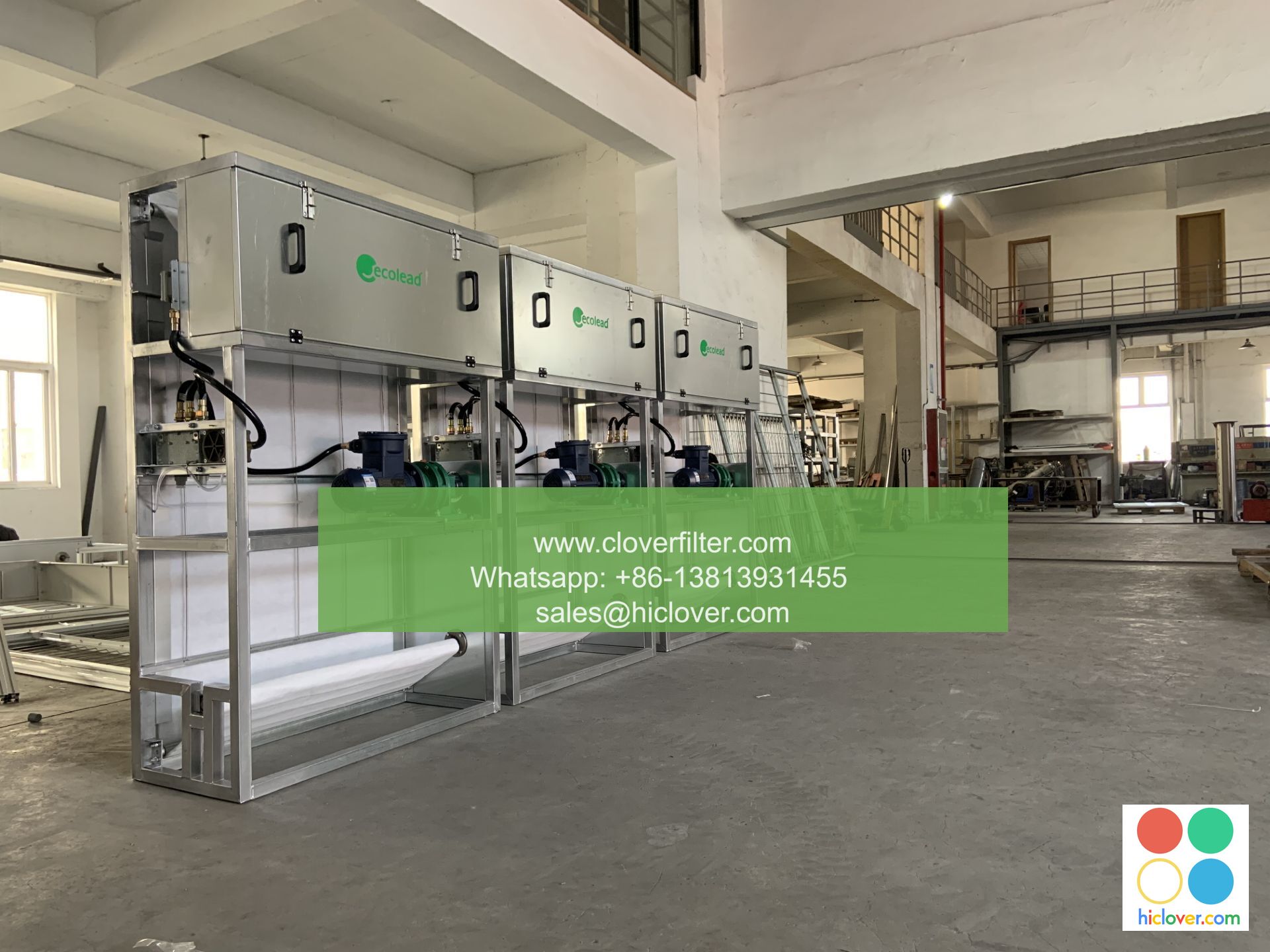
Key Takeaways:
- Understanding nominal size vs actual size is crucial for effective air filtration selection.
- Automatic Roll Air Filters provide advanced differential pressure triggering for optimal performance.
- Proper selection enhances maintenance efficiency and energy savings in HVAC systems.
- Compliance with frameworks like ISO 16890 can aid in making informed choices.
- Avoiding common mistakes can extend filter life and minimize replacement frequency.
- Roll Media Advance Logic: The roll filter design allows continuous operation. As one section becomes dirty, the system automatically advances, offering a new section of filter media for improved filtration.
- Differential Pressure Trigger: Sensors monitor pressure levels in real-time, prompting a media change when airborne particulate levels exceed acceptable thresholds.
- Timer Mode: Users can also set a timer for regular filtration cycles, ensuring that maintenance is scheduled based on time or pressure load.
- Airflow Range: Ensure the filter can handle the required airflow capacity.
- Face Velocity: Find the optimal face velocity for your application to avoid excessive pressure drop.
- Media Width/Length: Match the filter size with existing frames for optimal fit.
- Frame Size: Confirm compatibility with your HVAC duct systems.
- Control Options: Choose between automatic and manual control settings based on operational needs.
- Power Supply: Verify that the power requirements of the filter align with available systems.
- Installation Location: Decide between fresh air intake, return air ducts, or process-specific installation.
- Neglecting Actual Size: Always double-check actual dimensions against nominal specifications.
- Overlooking Airflow Requirements: Ensure that the selected filter accommodates the required airflow capacity.
- Ignoring Pressure Drop: A high pressure drop can lead to increased energy costs; choose filters with suitable specifications.
- Inadequate Maintenance Plans: Set schedules based on use and environmental conditions to maintain filter efficiency.
- Choosing Based on Cost Alone: Consider performance and maintenance costs instead of just initial price.
- Not Understanding Media Types: Different media offer varying efficiencies; select based on application needs.
- Failing to Train Staff: Ensure staff understand the operational specifics and maintenance requirements.
- Misjudging Operating Conditions: Evaluate how environmental factors impact filter performance.
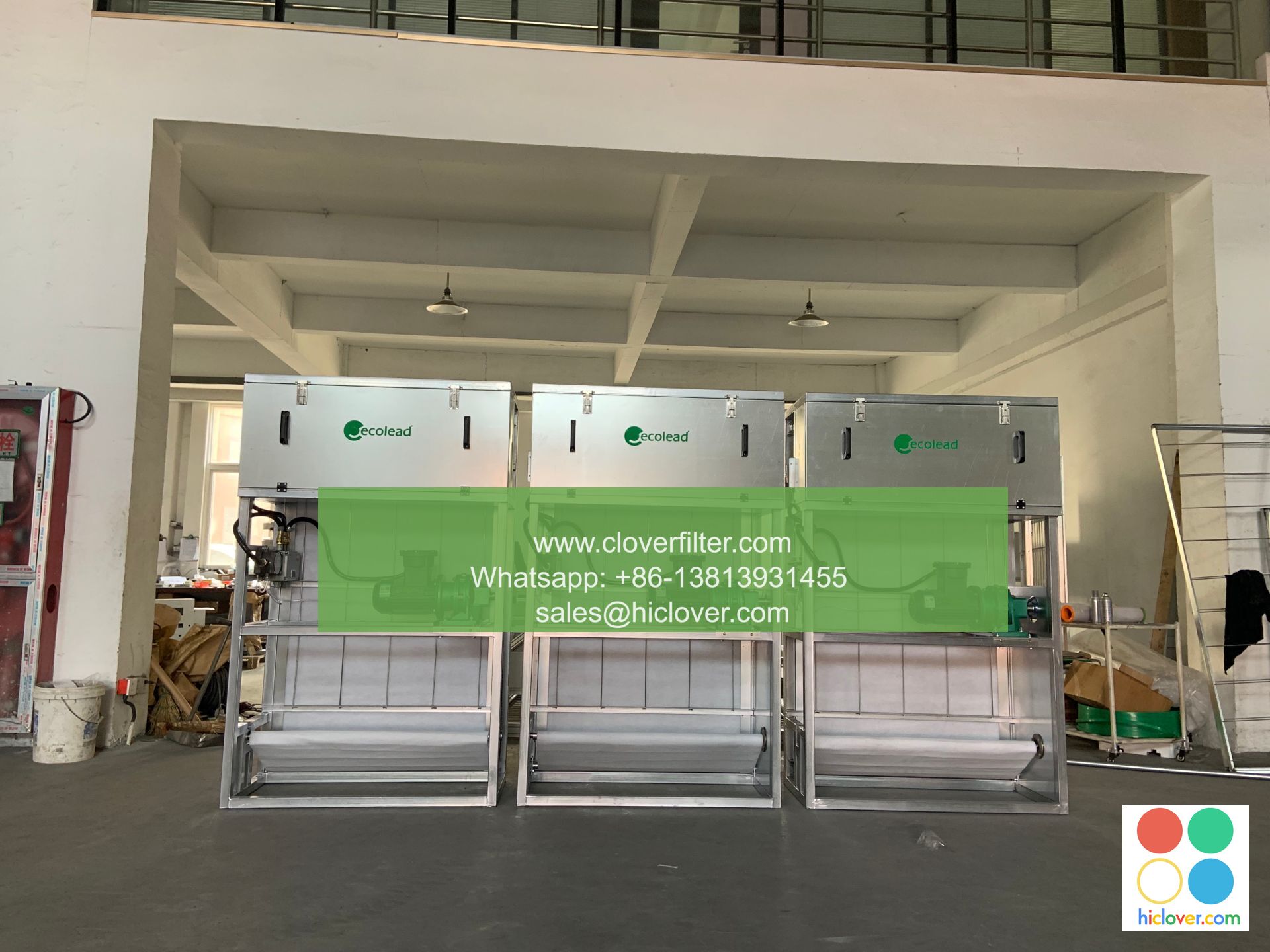
Nominal Size vs Actual Size: The Basics
In the world of industrial air filtration, one key aspect that procurement managers, HVAC engineers, and facility managers need to understand is the distinction between nominal size vs actual size. The nominal size is the labeled dimension of the filter; however, the actual size may differ due to various factors such as manufacturing tolerances and design specifications. This discrepancy can impact filter performance, fit, and efficiency, particularly in specialized environments like data centers or lithium battery plants.

When specifying filters for HVAC systems, it’s essential to account for both nominal and actual sizes to ensure proper installation and performance. Filters such as the Automatic Roll Air Filter from CloverFilter are designed to fit specific dimensions effectively, providing optimal filtration and airflow.
What is an Automatic Roll Air Filter?
An Automatic Roll Air Filter is an advanced filtration solution designed for high-efficiency air cleaning in diverse environments. It operates using a roll media advance logic that automatically adjusts the filter media based on differential pressure triggers. When the pressure drop across the filter reaches predetermined levels, the system engages, advancing fresh, unused media into the airflow path and thus improving air quality without interrupting system operation.
How It Works
These features make the Automatic Roll Air Filter an effective AHU prefilter, keeping pollutants at bay while maintaining optimal airflow.
Practical Selection Guide
When selecting an air filter, consider the following parameters:
For more extensive information about selection criteria, visit CloverFilter.
Comparison Table: Automatic Roll Air Filter vs. Alternatives
| Filter Type | Best Use Case | Maintenance | Pressure Drop Behavior | Operating Cost | Typical Risk/Downside |
|---|---|---|---|---|---|
| Automatic Roll Air Filter | High-efficiency applications | Low (automated) | Steady, controlled | Medium | Initial cost may be higher |
| Bag Filter | General industrial use | Moderate | Higher pressure drop | Variable | Can clog easily |
| Panel Filter | Residential systems | Moderate | Starts low, rises sharply | Low | Frequent replacement needed |
| V-Bank Filter | Large commercial buildings | Moderate | Variable | Moderate to High | Space-consuming |
Common Mistakes & How to Avoid Them
Real-World Scenarios
Data Center
In a data center, maintaining a clean environment is critical for preventing hardware failures. The Automatic Roll Air Filter efficiently filters airborne dust, mitigating the risk of overheating and ensuring continuous operations with minimal maintenance.
Lithium Battery Factory
For a lithium battery factory, precise particulate control is essential due to the sensitive nature of the materials involved. An Automatic Roll Filter provides advanced filtration, maintaining air quality standards while ensuring a steady workflow.
Paint Shop
In paint booths, airborne particles can compromise product quality. The roll filter’s ability to replace media without system downtime ensures that the shop operates seamlessly, yielding high-quality finishes.
Textile and Steel/Cement Plants
In textile and steel/cement manufacturing, heavy particulate loads may lead to frequent clogging of standard filters. Implementing the Automatic Roll Air Filter optimizes air intake while reducing maintenance cycles, ultimately lowering operational costs.
Compliance and Standards
It’s essential to consider industry standards when selecting filtration systems. While specific certifications cannot be claimed without documentation, many filters, including those by CloverFilter, are designed to meet the general frameworks of ISO 16890 and have principles based on the legacy of EN 779 and MERV concepts. For specific compliance information, please reach out to CloverFilter.
FAQ
Q1: What is the difference between nominal size vs actual size?
A1: Nominal size refers to the labeled dimensions of the filter, while actual size is the precise measurement which may vary.
Q2: How does an Automatic Roll Air Filter save on maintenance?
A2: The automatic system advances filter media when saturated, reducing the need for frequent replacements and allowing for meaningful maintenance cycles.
Q3: Can Automatic Roll Filters be used in mixed-use environments?
A3: Yes, they adapt well to various settings, from cleanrooms to industrial sites.
Q4: What kind of power supply is needed for the Automatic Roll Air Filter?
A4: These filters generally require standard electrical connections, but specific requirements should be confirmed with CloverFilter.
Q5: Are there any special installation requirements?
A5: Installation should consider airflow direction and access for maintenance; consult specifications for other unique needs.
Q6: How important is face velocity in filter selection?
A6: Face velocity is critical as it influences filtration efficiency and pressure drop; balance is necessary for performance.
Meta Description: Understand the difference between nominal size vs actual size in air filtration. Learn about Automatic Roll Air Filters by CloverFilter for effective filtration.
For more information about efficient air filtration solutions, reach out to CloverFilter at CloverFilter Contact. Our team is dedicated to assisting you with your HVAC needs.
It seems like your message is incomplete. Could you please provide more details or specify what you would like assistance with? Whether it’s brainstorming ideas, writing a story, or answering questions, I’m here to help!
