Nominal vs Actual Sizes: Common Misunderstandings Explained

Key Takeaways
- Nominal size often differs from actual size in industrial air filtration.
- Understanding these differences is crucial for effective equipment selection.
- An Automatic Roll Air Filter provides significant advantages in various HVAC applications.
- Proper installation and selection can lead to maintenance reduction and energy savings.
- Knowing your system’s requirements helps avoid common pitfalls.
- Airflow Range: Ensure the filter can handle your system’s required airflow.
- Face Velocity: Match your filter to the specific face velocity best suited for your application.
- Media Width/Length: Plan dimensions according to operational needs and system layout.
- Frame Size: Select a frame that fits properly within the AHU or air intake system.
- Control Options: Evaluate if manual control, timer operation, or automatic control is needed.
- Power Supply: Confirm compatibility with existing system power specifications.
- Installation Location: Determine if the filter will be placed at fresh air intake, return air, or process air points.
- Selecting filters without accounting for nominal size vs actual size.
- Not evaluating the airflow requirements before purchasing.
- Overlooking the importance of control options compatible with existing systems.
- Failing to consider environmental factors (humidity, temperature).
- Assuming all filters have the same particulate control ratings.
- Ignoring the maintenance needs versus operational demands.
- Disregarding the space available for installation.
- Neglecting to update or change filters based on system performance data.
- Skipping proper inspections prior to replacement.
-
What is the main difference between nominal size vs actual size?
The nominal size is the standard description used for marketing, whereas the actual size is the precise measurement of the filter. -
Why is it important to understand this difference?
An improper size can lead to inefficiencies, increased costs, and operational challenges. -
How does an Automatic Roll Air Filter work?
It automatically advances fresh media based on pressure differentials or set timers, maintaining filter efficiency. -
Where is the best installation point for these filters?
They can be installed at fresh air intakes, return air points, or directly in processing areas. -
What kind of maintenance do these filters require?
Maintenance is typically reduced, as the system changes the media automatically. -
Are CloverFilter products compliant with industry standards?
While compliance with standards like ISO 16890 may be indicated, verification is recommended.

Understanding Nominal Size vs Actual Size
In the world of industrial air filtration, a common point of confusion is the difference between nominal size vs actual size of filters. Nominal size refers to the standardized dimensions often used during product descriptions and marketing, while actual size is the precise measurement of the product once manufactured. This distinction is vital for procurement managers and engineers, as selecting the wrong size can lead to inefficiencies and increased operational costs.
What is an Automatic Roll Air Filter?
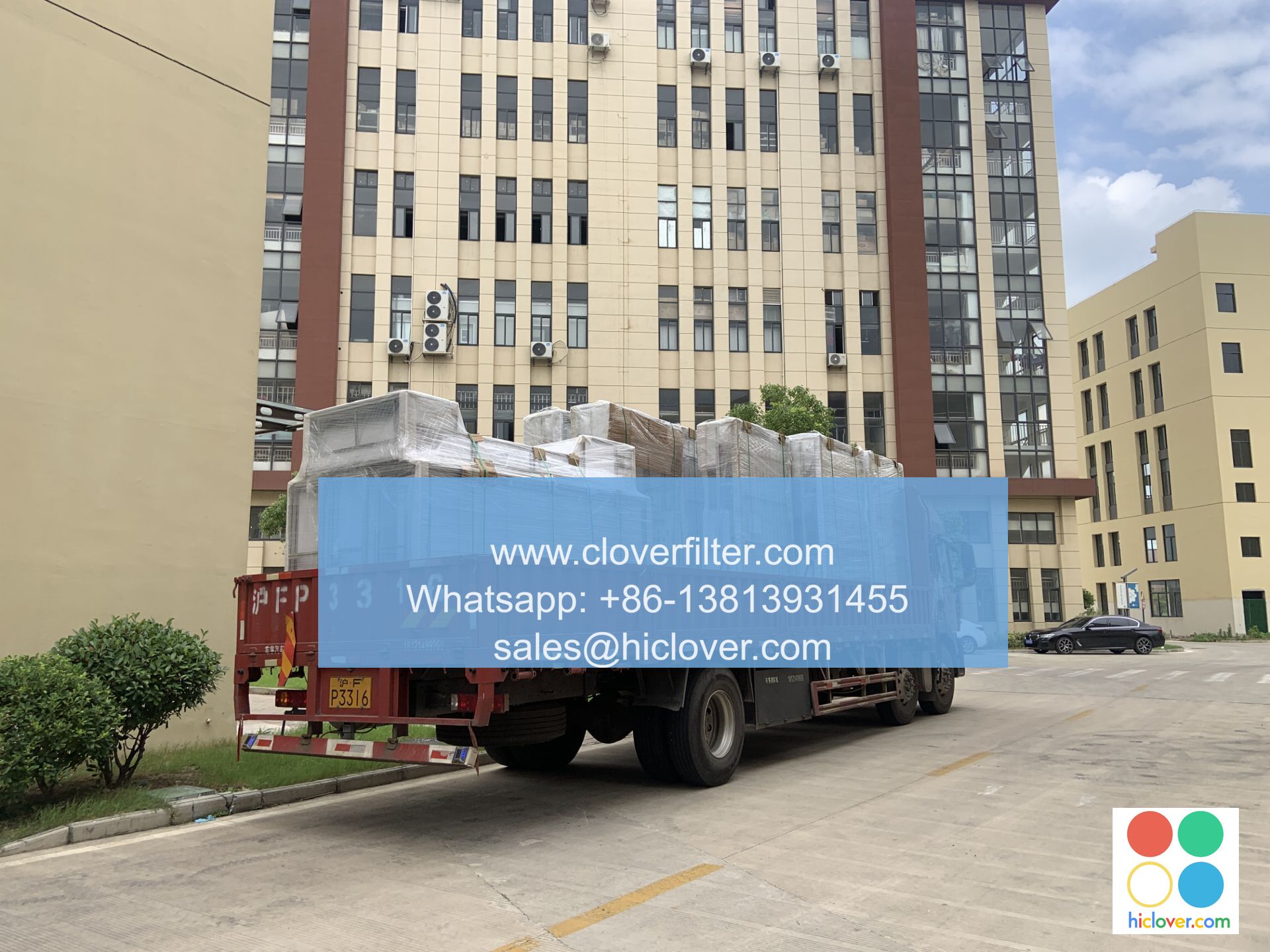
An Automatic Roll Air Filter is a sophisticated filtration solution designed to efficiently control particulate matter in air handling units (AHUs) and other HVAC systems. These filters utilize a roll media advance logic that deploys fresh filter media automatically as the existing media becomes laden with particles.
The Automatic Roll Air Filter operates through a differential pressure trigger that detects when the pressure drop across the filter exceeds a pre-determined threshold, indicating it’s time for a media change. This can be set to operate with a timer mode, further optimizing maintenance schedules and ensuring consistent performance without user intervention. This reliability makes it suitable for environments like cleanrooms, data centers, and manufacturing facilities.
![Alt text: Diagram showing the operation of an Automatic Roll Air Filter]
![Alt text: Comparison of nominal size vs actual size in filter media]
Practical Selection Guide
When choosing an Automatic Roll Air Filter for your air handling needs, consider the following factors:
Comparison Table: Filter Types
| Filter Type | Best Use Case | Maintenance | Pressure Drop Behavior | Operating Cost | Typical Risk/Downside |
|---|---|---|---|---|---|
| Automatic Roll Air Filter | High-traffic, variable loads | Low (auto media change) | Consistent under load | Moderate | Needs accurate sizing |
| Bag Filter | High particulate load | Moderate maintenance | Steep pressure drop | Low | Replacement interval variability |
| Panel Filter | Low to medium use | High (frequent checks) | Variable drop | Low | Limited efficiency |
| V-bank Filter | Space-constrained areas | Moderate to low | Lower drop | Moderate | More complex installation |
Common Mistakes & How to Avoid Them
Real-World Scenarios
Data Center
A leading data center recently switched to the CloverFilter Automatic Roll Air Filter to maintain optimal airflow and minimize dust intrusion. The result was a reduction in maintenance calls and enhanced cooling efficiency.
Lithium Battery Factory
At a lithium battery production facility, inconsistent particulate levels posed a risk. They implemented an Automatic Roll Air Filter, which provided seamless media changes, ensuring optimal air quality and compliance with safety protocols.
Paint Shop
A paint shop faced issues with overspray and particulate contamination. The installation of an Automatic Roll Air Filter helped control emissions while ensuring high air quality, crucial for a clean working environment.
Textile Mill
In a textile mill, fine particulates were negatively affecting product quality. The mill transitioned to CloverFilter’s Automatic Roll Air Filter, which allowed for continuous operation with minimal interruptions, improving product outcomes significantly.
Compliance Considerations
While selecting filters, it is essential to understand the compliance with industry standards such as ISO 16890 and MERV rating systems. These standards provide a framework for evaluating filter performance. However, specific certification claims should only be verified by manufacturers, and potential buyers are encouraged to inquire directly regarding available documentation and compliance.
FAQ
If you’re involved in industrial air filtration procurement or management, understanding the concepts surrounding nominal size vs actual size can optimize your selections. Explore how CloverFilter’s Automatic Roll Air Filter can provide efficient solutions tailored to your needs. For inquiries or specifics, reach out to us at CloverFilter through our contact page.
Meta Description: Discover the differences between nominal size vs actual size in air filters. Understand how to select the right Automatic Roll Air Filter for your HVAC system.
It seems like you entered “Prompt,” but I need a bit more context to assist you effectively. Are you looking for help with a specific topic, writing prompt, or maybe something else entirely? Please provide more details!
