Optimizing Air Filtration in Food Packaging with Automatic Roll Air Filters
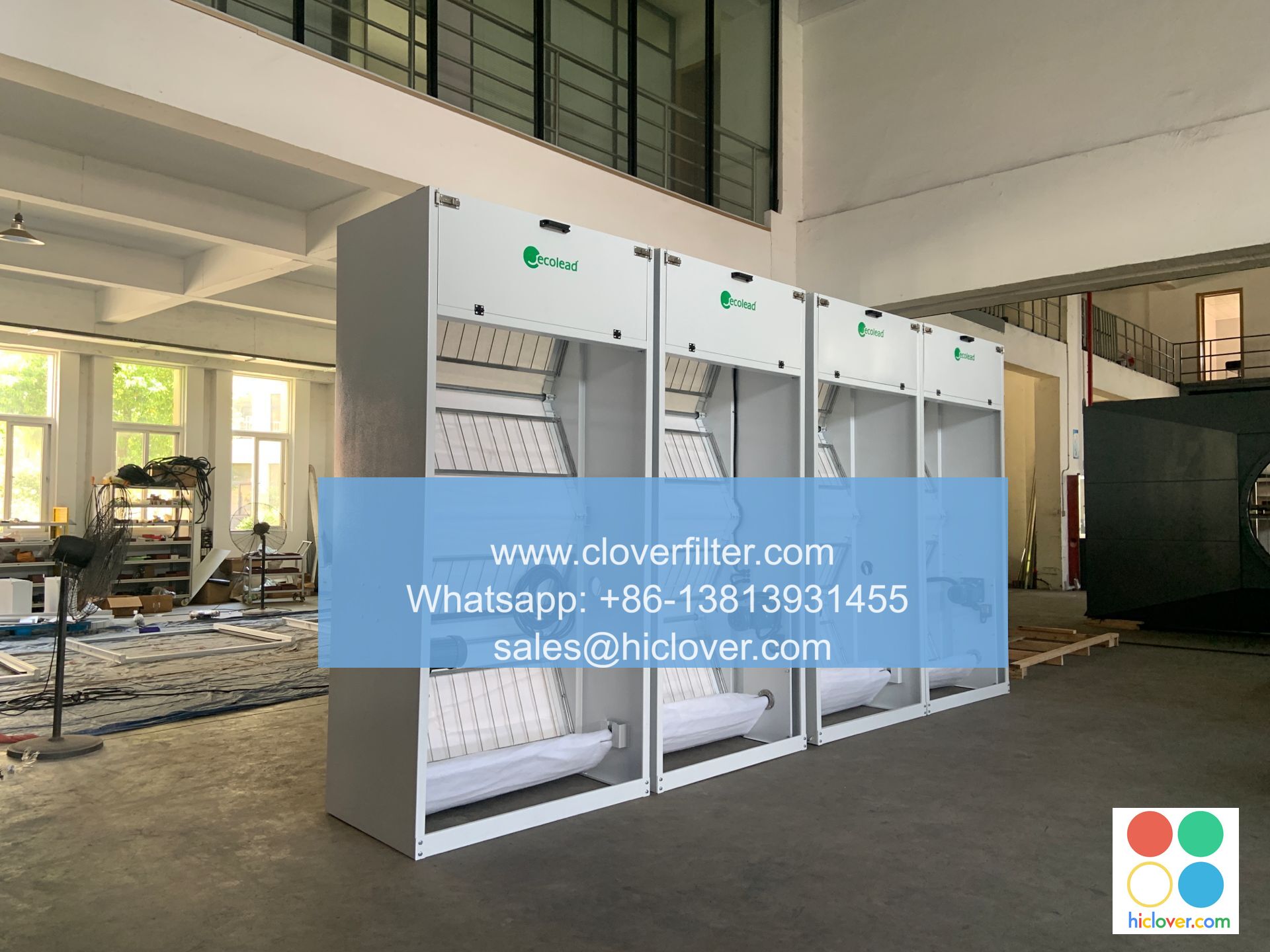
The food packaging industry is a complex and highly regulated sector, where maintaining the highest standards of cleanliness and purity is crucial. One critical aspect of ensuring the quality and safety of packaged food products is optimizing air filtration. Airborne contaminants, such as dust, pollen, and microorganisms, can compromise the integrity of food packaging, leading to spoilage, contamination, and potentially harmful health effects. To address this challenge, many food packaging companies are turning to automatic roll air filters as a reliable and efficient solution.
Automatic roll air filters are designed to provide continuous and uninterrupted airflow, while capturing airborne particles and contaminants. These filters are typically installed in production areas, packaging lines, and storage facilities, where they can effectively remove pollutants and maintain a clean environment. The automatic roll design allows for easy and efficient replacement of the filter media, minimizing downtime and reducing maintenance costs. Additionally, these filters can be customized to meet specific application requirements, including variable airflow rates, filter efficiencies, and dimensions.

The benefits of using automatic roll air filters in food packaging are numerous. Firstly, they help to prevent contamination of food products, reducing the risk of spoilage and foodborne illnesses. By removing airborne particles and microorganisms, these filters create a clean and safe environment for food processing and packaging. Secondly, automatic roll air filters can improve the overall efficiency of the packaging process, by reducing downtime and minimizing the need for manual filter replacements. This, in turn, can lead to increased productivity, reduced labor costs, and improved profitability.
Another significant advantage of automatic roll air filters is their ability to provide real-time monitoring and control of air quality. Many modern filter systems come equipped with advanced sensors and monitoring technology, allowing food packaging companies to track and adjust airflow rates, filter efficiency, and air quality parameters in real-time. This enables prompt identification and correction of any issues, ensuring that the air filtration system is operating optimally at all times.
In addition to their technical benefits, automatic roll air filters can also contribute to a more sustainable and environmentally friendly food packaging operation. By reducing energy consumption, minimizing waste, and optimizing filter replacement schedules, these filters can help food packaging companies to reduce their environmental footprint and improve their overall sustainability performance. Furthermore, the use of automatic roll air filters can help to reduce the risk of product recalls, costly cleanups, and damage to brand reputation, which can result from contamination or spoilage incidents.
When selecting an automatic roll air filter for food packaging applications, there are several factors to consider. These include the type and size of the filter, the required airflow rate, the level of filter efficiency, and the compatibility of the filter with existing packaging equipment and systems. It is also essential to consider the maintenance and replacement requirements of the filter, as well as the overall cost of ownership and operation. By carefully evaluating these factors and selecting the right automatic roll air filter, food packaging companies can optimize their air filtration systems, improve product quality and safety, and reduce their environmental impact.
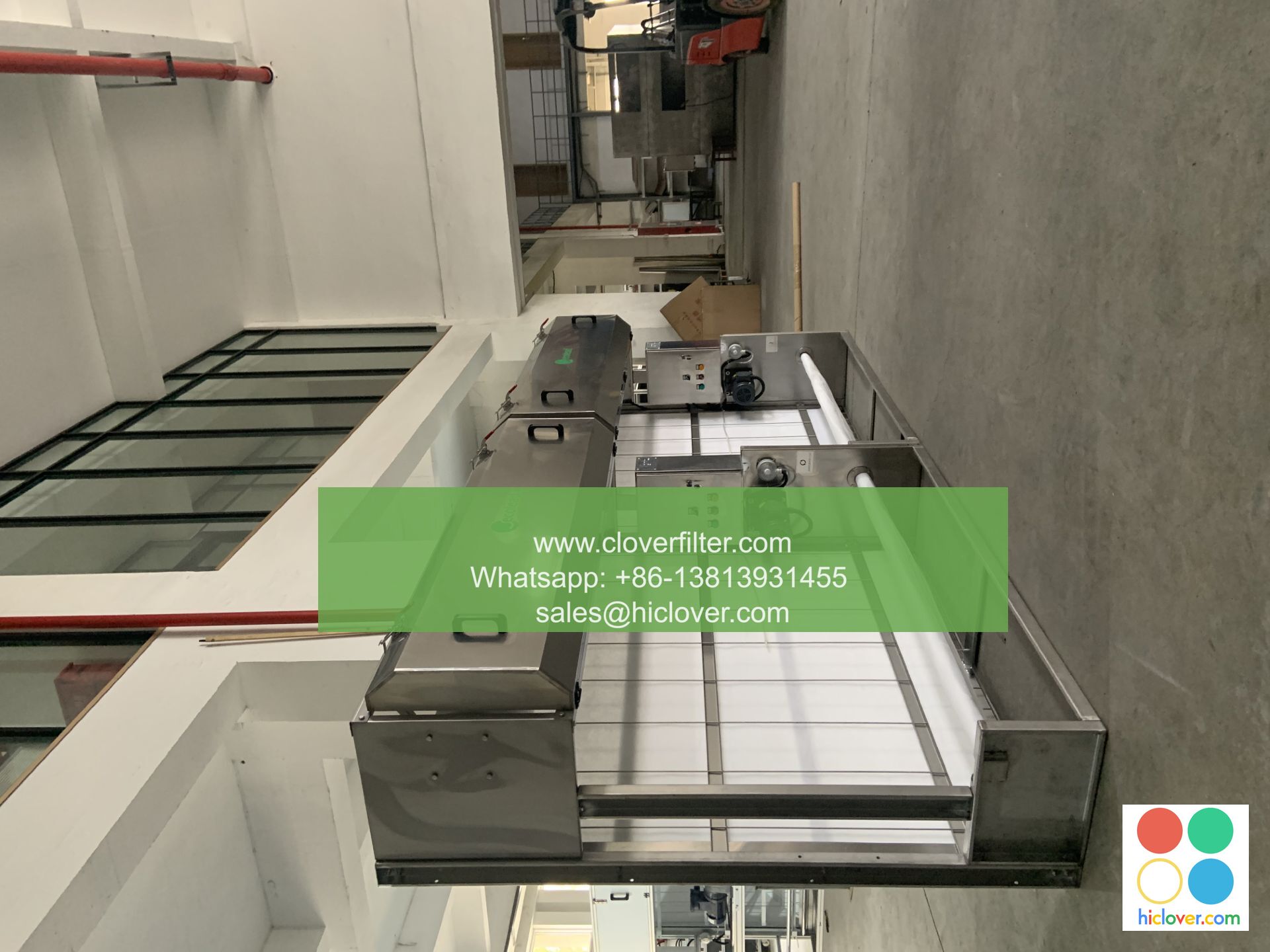
In conclusion, optimizing air filtration is a critical aspect of food packaging, and automatic roll air filters offer a reliable and efficient solution. By providing continuous and uninterrupted airflow, capturing airborne contaminants, and enabling real-time monitoring and control, these filters can help to prevent contamination, improve efficiency, and reduce environmental impact. As the food packaging industry continues to evolve and grow, the importance of optimizing air filtration will only continue to increase, making automatic roll air filters an essential component of any food packaging operation.
Frequently Asked Questions
Q: What are the benefits of using automatic roll air filters in food packaging?
A: The benefits of using automatic roll air filters in food packaging include preventing contamination, improving efficiency, reducing downtime, and minimizing maintenance costs.
Q: How do automatic roll air filters contribute to a more sustainable food packaging operation?
A: Automatic roll air filters can contribute to a more sustainable food packaging operation by reducing energy consumption, minimizing waste, and optimizing filter replacement schedules.
Q: What factors should be considered when selecting an automatic roll air filter for food packaging applications?
A: Factors to consider when selecting an automatic roll air filter include the type and size of the filter, the required airflow rate, the level of filter efficiency, and the compatibility of the filter with existing packaging equipment and systems.
Q: Can automatic roll air filters be customized to meet specific application requirements?
A: Yes, automatic roll air filters can be customized to meet specific application requirements, including variable airflow rates, filter efficiencies, and dimensions.
Q: How often should automatic roll air filters be replaced or maintained?
A: The replacement or maintenance schedule for automatic roll air filters will depend on the specific application, airflow rates, and filter efficiency requirements. It is essential to follow the manufacturer’s recommendations and to monitor filter performance regularly to ensure optimal operation.
