Optimizing Air Quality: The Importance of Roll Media Filters in Digital Twins
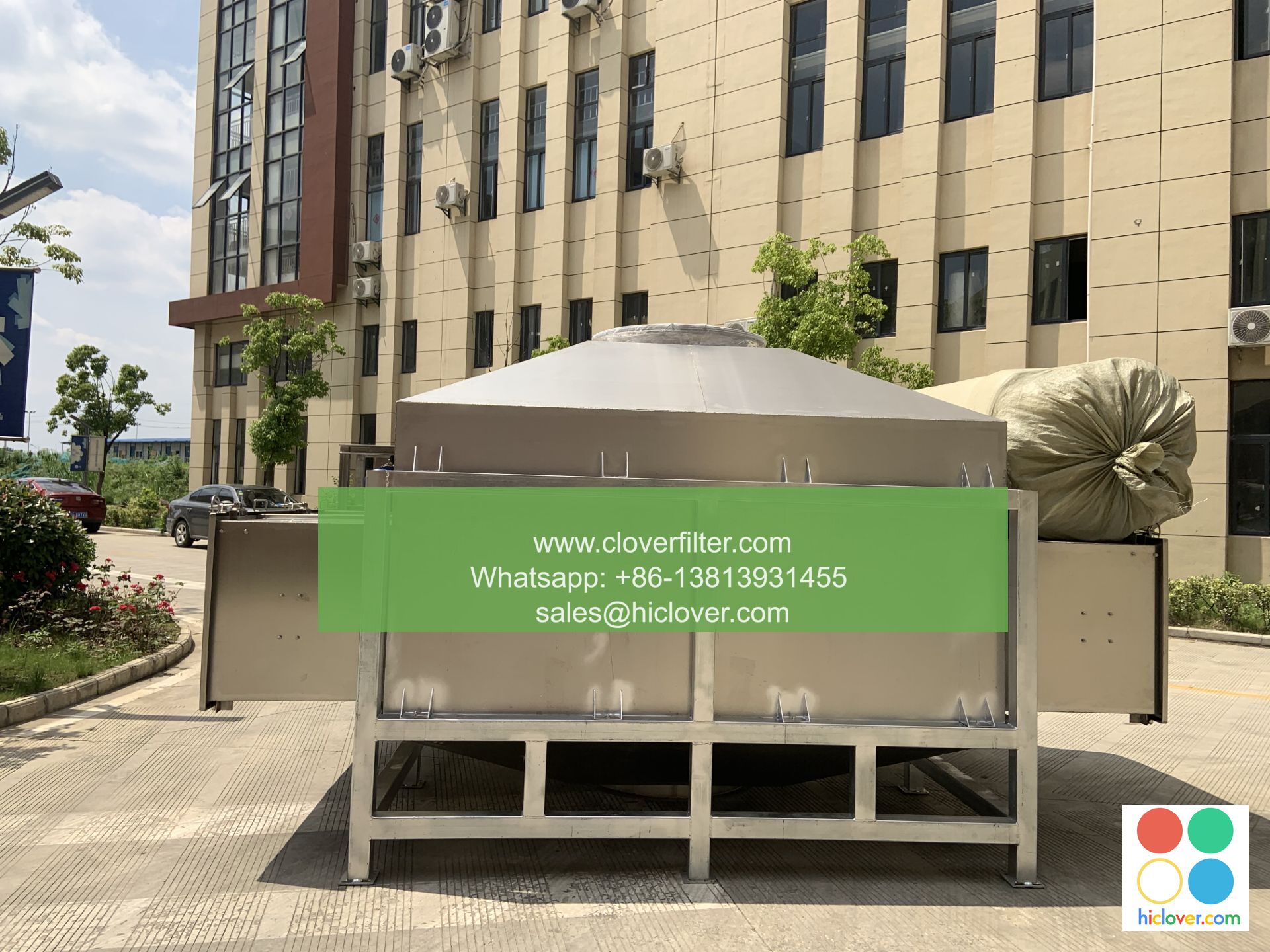
The significance of air quality has surged in recent years, driven by growing awareness of its impact on health, the environment, and overall well-being. One of the key technologies aiding in the enhancement of air quality is roll media filters, especially in conjunction with innovative tools like digital twins. This article explores how integrating roll media filters into digital twins can optimize air quality across various application areas.
Understanding Digital Twins
A digital twin is a virtual representation of a physical system, process, or environment that allows monitoring, analysis, and simulation to enhance performance. In the context of air quality, digital twins utilize real-time data to predict and optimize outcomes. This technology has found relevance in various fields, such as manufacturing, healthcare, and smart cities, where air quality is a critical component.
The Role of Roll Media Filters
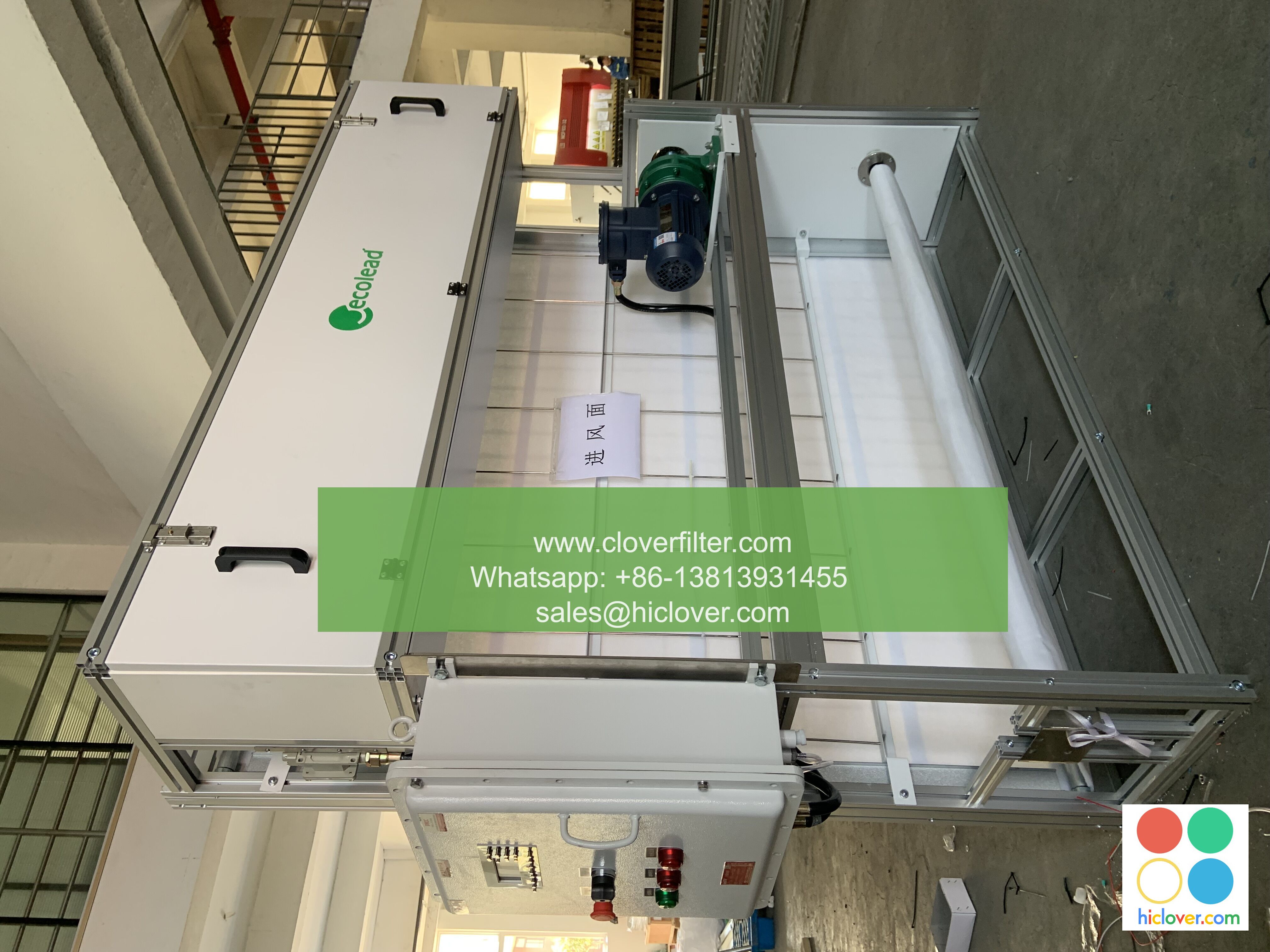
Roll media filters are advanced filtration systems made from continuous rolls of filter media, designed to capture airborne particles, allergens, and pollutants efficiently. They are particularly suitable for large-scale operations, including HVAC systems, industrial applications, and indoor air quality management. Their essential role in maintaining air quality includes:
- High Efficiency: Roll media filters offer superior particle capture efficiency, significantly improving air quality.
- Longevity: These filters have a prolonged lifespan compared to traditional filters, which reduces waste and replacement costs.
- Cost-Effectiveness: Their design allows for optimized performance, leading to lower energy consumption and maintenance costs.

Application Areas of Digital Twins and Roll Media Filters
1. Smart Buildings
In smart buildings, integrating digital twins with roll media filters enables real-time monitoring of air quality parameters. By analyzing data from sensors, building managers can adjust HVAC operations to ensure optimal filtration performance, enhancing comfort and health for occupants.
2. Industrial Settings
Manufacturing facilities often contend with airborne contaminants. Utilizing roll media filters within a digital twin framework allows for predictive maintenance and operational efficiency, ensuring that air quality regulations are met without compromising productivity.
3. Healthcare Environments
In healthcare settings, maintaining high air quality is crucial. The combination of digital twins with roll media filters facilitates real-time monitoring of airborne pathogens and pollutants, improving patient outcomes and worker safety.
4. Urban Air Quality Management
Cities can significantly benefit from the adoption of digital twins combined with roll media filters. By modeling urban air quality, city planners can deploy filtration systems in areas with high pollution levels, using data-driven insights to enhance public health.
The Future of Air Quality Management
The future of air quality management hinges on the integration of smart technologies. Combining roll media filters with digital twins will lead to more agile, responsive, and effective strategies for monitoring and optimizing air quality in various settings. Embracing these innovations will ultimately create healthier environments, benefiting both individuals and communities.
Conclusion
Optimizing air quality through the utilization of roll media filters in digital twins presents a transformative opportunity across many sectors. As advancements in technology continue to evolve, the synergy between these two elements will play a pivotal role in promoting sustainable practices and enhancing public health. Investing in such technologies is not just a choice; it is a necessity for a cleaner future.
It looks like you might want to provide me with a prompt or topic to discuss or elaborate on. How can I assist you today?
