Optimizing Air Quality: The Role of Automatic Roll Intake Filters in Darwin Laboratories
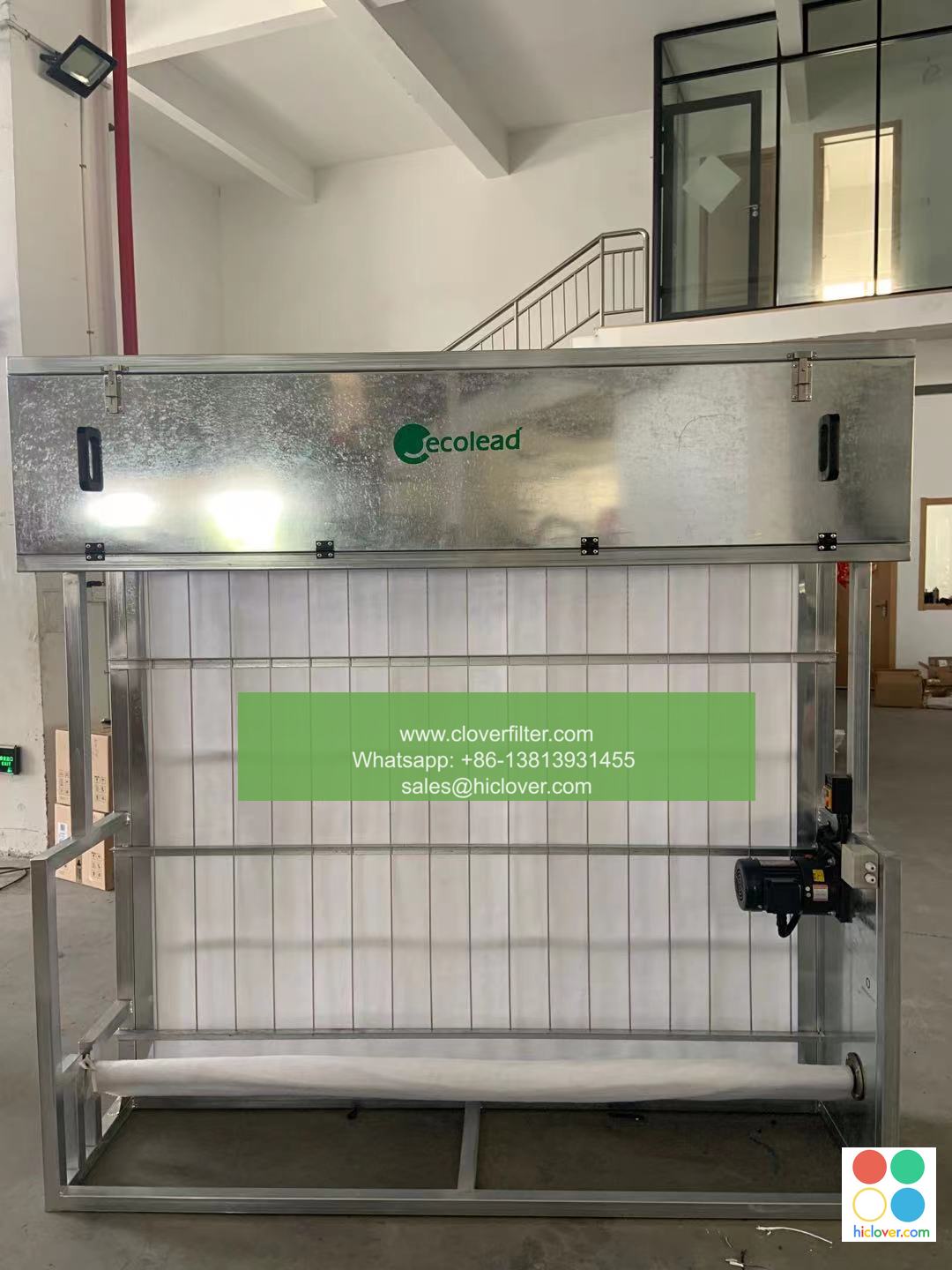
In the contemporary landscape of laboratory environments, particularly within Darwin, Australia, maintaining optimal air quality is paramount. The use of automatic roll intake filters has emerged as a crucial solution to enhance laboratory efficiency, safety, and comfort. This article delves into the significance of these advanced filtering systems and their various applications in laboratories.
Understanding Automatic Roll Intake Filters

Automatic roll intake filters are sophisticated devices designed to regulate and purify the air entering laboratory spaces. By employing a roll mechanism, these filters can efficiently trap particulate matter, allergens, and airborne contaminants, ensuring that the air quality within the laboratory meets stringent health and safety standards.
Key Benefits of Automatic Roll Intake Filters
The integration of automatic roll intake filters in Darwin laboratories brings forth a multitude of benefits:
- Improved Air Quality: These filters significantly reduce dust, pollen, and microbial content in the air, fostering a healthier working environment.
- Energy Efficiency: By optimizing airflow, these filters can help in reducing the energy consumption of HVAC systems.
- Cost-Effectiveness: Regular maintenance and replacement of filters are simplified, reducing operational costs.
- User-Friendly Design: Automatic roll systems are easy to operate and can be integrated seamlessly into existing laboratory setups.

Applications in Various Laboratory Environments
The application of automatic roll intake filters spans diverse laboratory environments, including but not limited to:
Life Sciences Laboratories
In life sciences laboratories, maintaining a sterile environment is crucial. Automatic roll intake filters help to prevent contamination of sensitive biological samples or cultures, ensuring the integrity of research outcomes.
Chemical Laboratories
Chemical laboratories often work with hazardous materials that can release toxic fumes or particulates. Using automatic roll intake filters significantly mitigates these risks by ensuring that harmful substances are effectively filtered out, thus protecting lab personnel.
Environmental Testing Laboratories
For environmental testing labs, it is essential to monitor and analyze air quality. Automatic roll intake filters enhance air clarity, allowing for more accurate readings and research related to environmental changes.
Pharmaceutical Laboratories
In pharmaceutical production, air quality can directly affect product quality. Implementing automatic roll intake filters in these settings helps maintain compliance with regulatory standards, ensuring that sterile and contamination-free environments are consistently achieved.
The Future of Air Quality Management in Laboratories
The growing concerns about air pollution and its effects on health and productivity have led to an increased focus on air quality management. Automatic roll intake filters represent a forward-thinking solution that aligns with this movement. As laboratories in Darwin and beyond strive for cleaner, safer environments, these systems offer a practical approach to achieving those goals.
Conclusion
In conclusion, the role of automatic roll intake filters in optimizing air quality is critical for the effective operation of laboratories in Darwin. Their numerous benefits, alongside the diverse application areas, make them a valuable asset in promoting a safe and efficient working environment. As technology continues to advance, the integration of such systems in laboratory settings will undoubtedly play a vital role in ensuring the health and safety of all personnel.
It seems like your message got cut off. Could you please provide more details or clarify what prompt or information you need? I’m here to help!
