Optimizing Air Quality: The Role of Roll-Type Dust Filters in Doha’s Energy Substations
Introduction
Air quality is a critical aspect of operational efficiency and safety in modern energy infrastructures. In Doha, where high temperatures and dust storms are prevalent, the integration of innovative technologies like roll-type dust filters is essential. These filters play a pivotal role in enhancing air quality at energy substations, contributing to environmental sustainability and operational optimization.

The Challenge of Dust in Doha
Doha’s geographic and climatic features expose energy substations to challenges associated with dust accumulation. Fine particulate matter, predominantly composed of sand and dust, can adversely affect the performance and longevity of electrical equipment. This necessitates the need for effective air filtration systems to maintain operational efficiency.
What are Roll-Type Dust Filters?
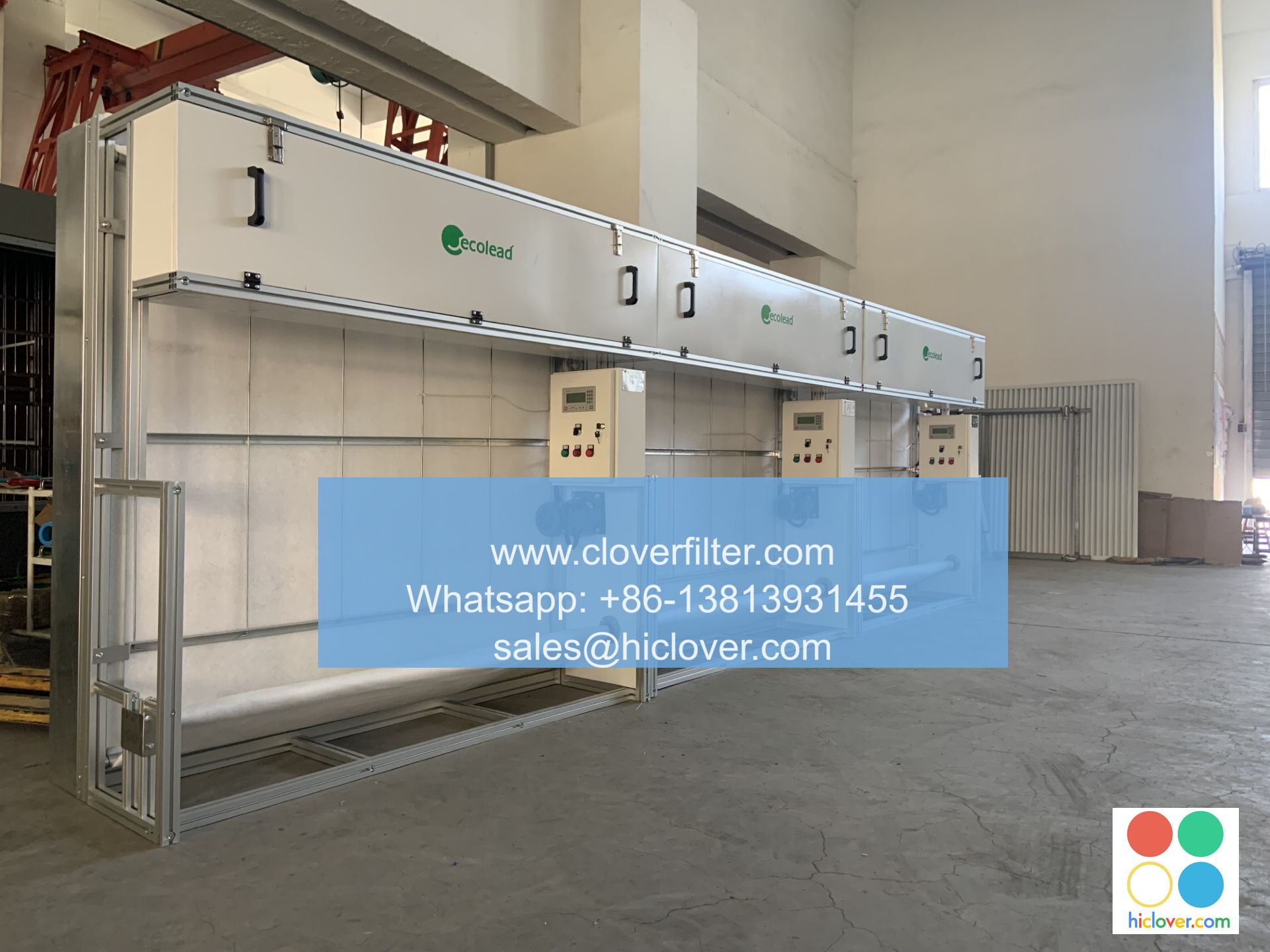
Roll-type dust filters are advanced filtration systems that utilize a rolling medium to trap dust and particulate matter. Unlike traditional filters, these filters can be deployed in a continuous manner, allowing for significant adaptability and effectiveness in various settings, including energy substations. They are designed for both high dirt-holding capacity and ease of maintenance, making them an ideal choice for environments subjected to heavy dust loads.
Application Areas of Roll-Type Dust Filters
1. Energy Substation Cooling Systems
Maintaining optimal temperature levels in energy substations is crucial for the effective operation of transformers and other electrical equipment. Roll-type dust filters help ensure that air intake for cooling systems remains free of dust, thereby improving heat dissipation and efficiency.
2. Air Quality Improvement
Roll-type dust filters significantly enhance indoor air quality by minimizing the amount of particulate matter entering the substation environment. This reduction in dust levels not only protects sensitive electronic equipment but also improves the overall health of personnel working in the vicinity.
3. Reduced Maintenance Costs
By using roll-type dust filters, facilities can reduce maintenance and replacement costs of equipment significantly. A cleaner environment lowers the frequency of breakdowns and minimizes the need for extensive cleaning practices, thus reducing downtime and enhancing operational productivity.
Technological Advancements in Filtration
With advancements in filtration technology, roll-type dust filters have seen improvements in their materials and mechanisms. High-efficiency particulate air (HEPA) and electrostatic filtration methods are increasingly being integrated to enhance dust capture efficiency, further optimizing air quality and filtration performance.
Case Study: Implementation in Doha Energy Substations
Recent implementations of roll-type dust filters in Doha’s energy substations have yielded impressive results, showcasing lower dust levels and improved operational metrics. The measurable decrease in equipment failures and maintenance tasks illustrates the effectiveness of these filtration systems in a challenging environment.
Conclusion
As Doha continues to expand its energy infrastructure, the role of roll-type dust filters becomes ever more crucial. By prioritizing air quality optimization through effective filtration systems, energy substations can ensure operational excellence, increase sustainability, and protect the health of both equipment and personnel. The future of energy production in Doha depends significantly on adopting such innovative solutions, setting a standard for air quality management in challenging environments.
It seems like your message was cut off. Could you please provide more details or clarify what you would like assistance with? Whether it’s writing prompts, questions, or ideas for a specific topic, I’m here to help!
