Optimizing Biotech Vaccine Production: The Role of Roll Intake Filters
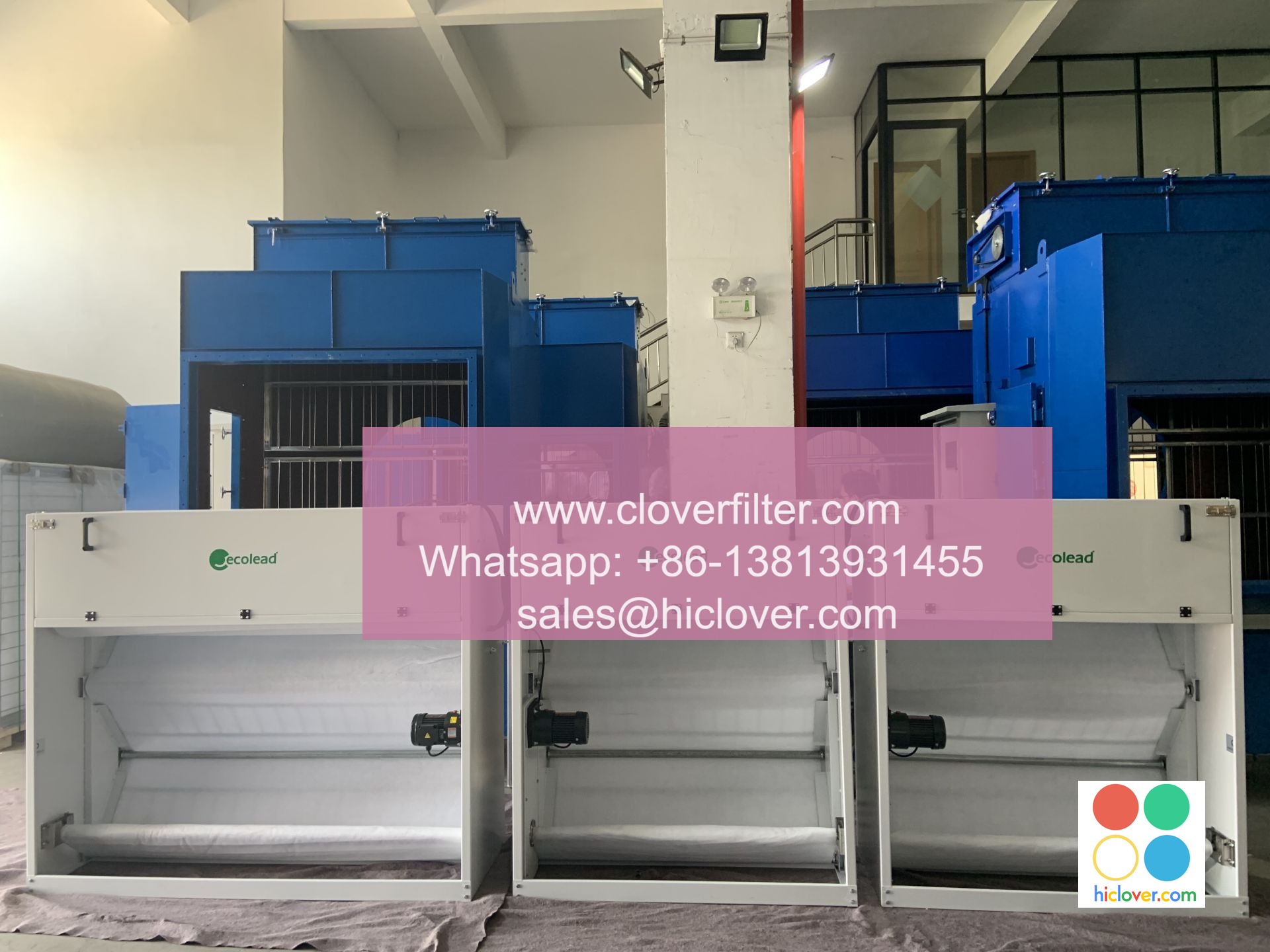
In the rapidly evolving world of biotechnology, the production of vaccines has become a critical focus for researchers and manufacturers. The efficiency of vaccine production directly influences public health, speed of response to outbreaks, and overall vaccine availability. One essential component that assists in optimizing this process is the roll intake filter, a vital tool in the biopharmaceutical industry. This article delves into the significance of roll intake filters, their operational benefits, and various application areas within biotech vaccine production.
The Importance of Roll Intake Filters
Roll intake filters play a crucial role in the pre-filtration stage of vaccine production. These filters are designed to remove particulate matter, microbial contaminants, and other impurities from the raw materials used in vaccine formulation. By ensuring that only high-quality input materials are utilized, roll intake filters contribute to maintaining the integrity and effectiveness of the final vaccine product. Moreover, they minimize the risk of contamination, enhancing the safety profile of vaccines.
Key Advantages of Roll Intake Filters
- Enhanced Filtration Efficiency: Roll intake filters typically offer superior filtration capabilities due to their large surface area, which allows for better flow rates and higher dirt-holding capacity.
- Cost-Effectiveness: By reducing downtime and the need for extensive cleaning, these filters can lower operational costs associated with vaccine production.
- Sustainability: Many roll intake filters are designed with eco-friendly materials and can often be reused or recycled, aligning with global sustainability goals.

Application Areas in Biotech Vaccine Production
The use of roll intake filters extends across various stages of vaccine production. Here are some key application areas:
1. Cell Culture Media Preparation
In the initial stages of vaccine development, cell culture media must be free from contaminants. Roll intake filters are used to pre-treat media components, ensuring that the nutrient-rich environments for cell growth are sterile and clean.
2. Purification Processes
During the purification phase, roll intake filters can be employed to remove larger particles and debris before more refined filtration methods are implemented. This step is critical in producing high-purity vaccines that meet regulatory standards.
3. Final Formulation and Filling
In the final stages of vaccine production, roll intake filters can help ensure that the formulation is free from any contaminants that could compromise vaccine efficacy. This is especially vital when preparing bulk vaccine for distribution.
4. Quality Control and Assurance
As part of stringent quality control measures, roll intake filters are tested for their filtration performance, ensuring compliance with industry standards for filtration and sterility.
Conclusion
As the demand for vaccines continues to grow, optimizing production processes is essential. Roll intake filters are a pivotal component in achieving higher efficiency, safety, and quality in biotech vaccine production. By understanding and implementing these filters in various application areas, biopharmaceutical manufacturers can significantly enhance their operational capabilities, ultimately resulting in better public health outcomes.
It seems like you may not have finished your request. Could you please provide more context or specify what you’re looking for? Whether it’s a topic for discussion, a writing prompt, or something else, I’d be happy to help!
