Optimizing Environment: Benefits of HVAC Systems with Media Filters in Museums
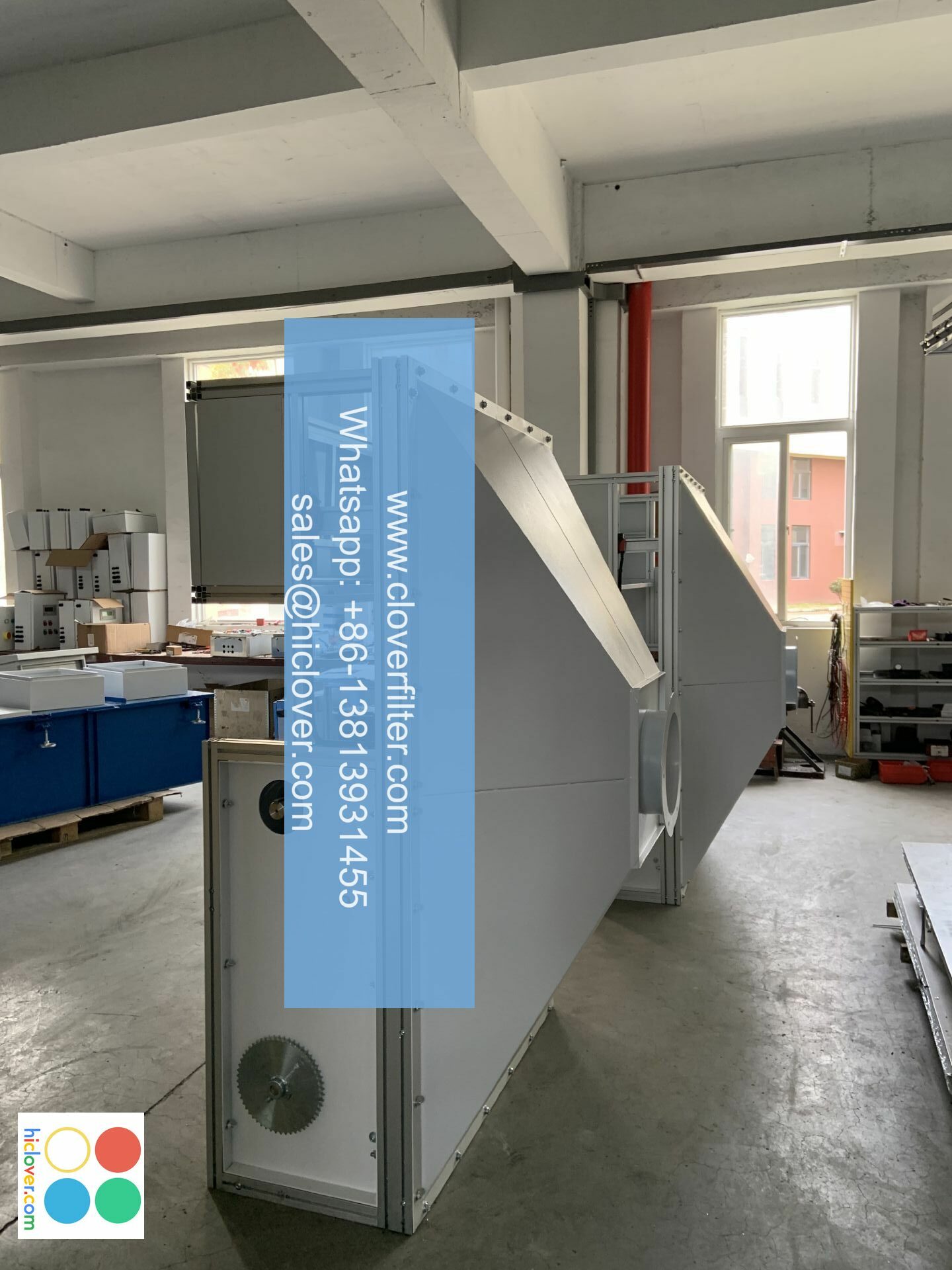
In the world of museums, maintaining a stable and optimal environment is crucial for the preservation of artifacts, artworks, and historical collections. One of the most effective ways to achieve this is through the use of HVAC (Heating, Ventilation, and Air Conditioning) systems equipped with media filters. These advanced filtration systems offer numerous benefits, especially in the delicate conditions that museums require.
Understanding HVAC Systems with Media Filters

HVAC systems are designed to regulate indoor temperatures, humidity, and air quality. When combined with media filters, these systems provide enhanced protection against dust, pollutants, and organic contaminants. Media filters are more advanced than standard filters, capable of trapping smaller particles, allergens, and even bacteria, making them an invaluable tool for museums.
Key Benefits of HVAC Systems with Media Filters in Museums
1. Enhanced Air Quality
One of the primary benefits of integrating media filters into museum HVAC systems is the significant improvement in indoor air quality. Clean air is essential for the preservation of sensitive items, preventing deterioration caused by pollutants such as dust and mold spores. By filtering out harmful particles, museums can create a healthier environment for both collections and visitors.
2. Optimal Temperature and Humidity Control
Maintaining the right temperature and relative humidity levels is vital for preventing damage to museum artifacts. HVAC systems equipped with media filters help in stabilizing these environmental factors, reducing the risk of warping, fading, or mold growth. This ultimate control over the microclimate ensures that the items on display remain in peak condition for years to come.
3. Energy Efficiency
Upgrading to HVAC systems with media filters can lead to improved energy efficiency. These systems can operate more effectively, requiring less energy to maintain desired conditions. This not only helps museums save on operational costs but also supports sustainability efforts, reducing the overall carbon footprint of the institution.
4. Protection Against Biological Contaminants
Biological contaminants such as bacteria, mold, and even pests can pose a significant threat to museum collections. Media filters play a crucial role in trapping these microorganisms, protecting valuable artifacts from potential deterioration. This proactive approach to environmental safety enhances overall preservation efforts.
Applications: Where to Implement HVAC Systems with Media Filters
The use of HVAC systems with media filters can be beneficial in various areas within a museum, including:
- Exhibition Halls: Maintaining precise climate control to protect displayed pieces.
- Storage Facilities: Ensuring long-term preservation of sensitive items in controlled environments.
- Conservation Labs: Providing optimal conditions for restoration work.
- Visitor Areas: Enhancing visitor comfort while safeguarding exhibited materials from humidity and temperature fluctuations.
Conclusion
The integration of HVAC systems with media filters in museums offers a multitude of advantages, from protecting invaluable collections to enhancing visitor experiences. With continued advancements in HVAC technology and filtration systems, museums can effectively respond to the challenges posed by environmental preservation. By prioritizing air quality, efficient climate control, and biological contaminant protection, these institutions can ensure that cultural heritage is preserved for future generations.
It seems like you’re looking for a prompt, but I need a bit more context to help you out. Are you looking for a writing prompt, a discussion topic, or something else? Please provide more details, and I’ll be happy to assist!
