Optimizing Lab Performance with Automatic Roll Air Filters at the University of Michigan
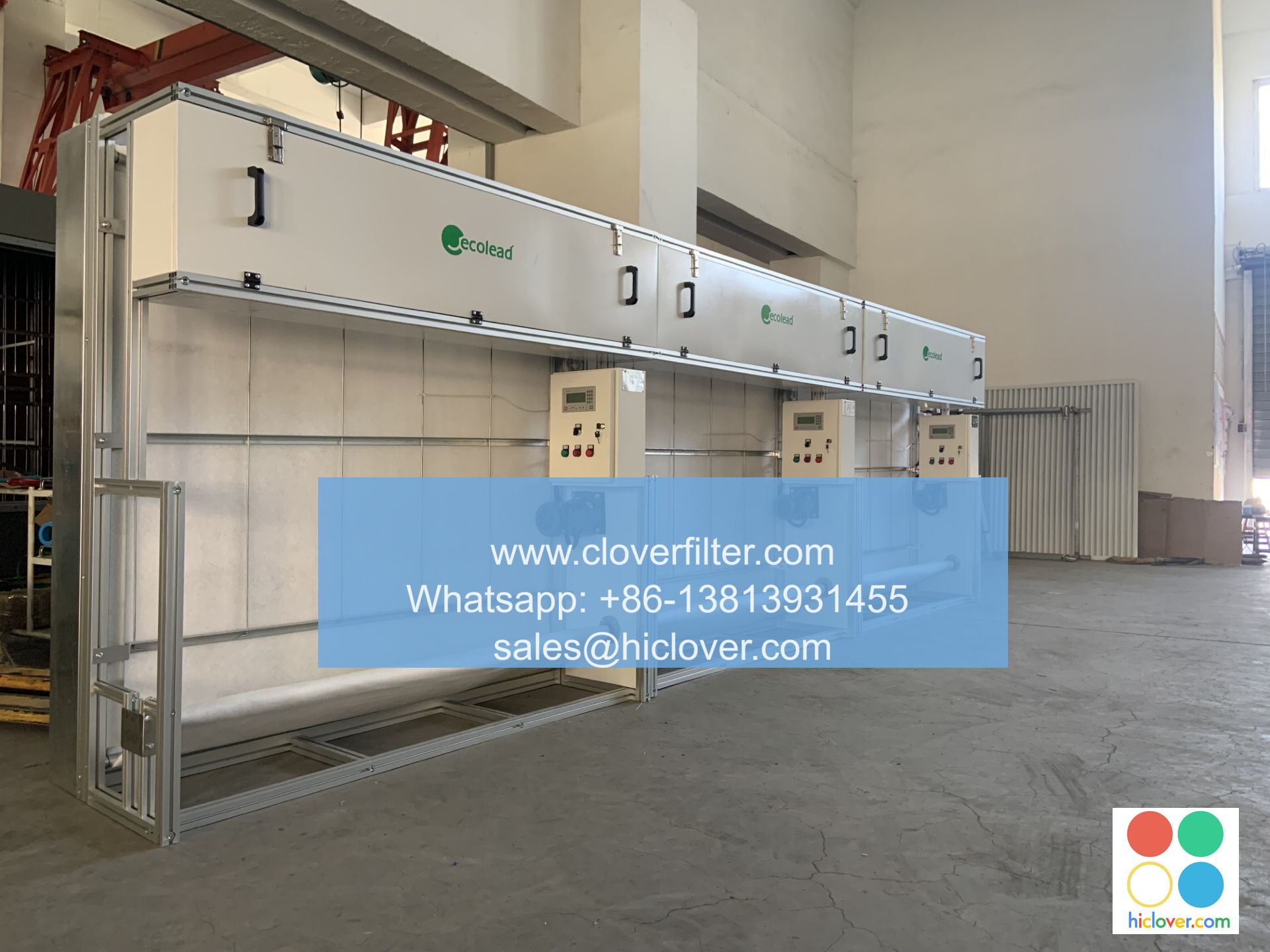
The University of Michigan has long been a leader in research, innovation, and technological advancement. In an effort to enhance lab performance and maintain the highest standards of air quality, the university has implemented cutting-edge automatic roll air filters. These advanced air filtration systems are revolutionizing the way laboratories operate, ensuring optimal conditions for research and experimentation.
The Importance of Air Quality in Laboratories

Air quality is critical in laboratory environments where chemical reactions, biological studies, and various experiments take place. Poor air quality can lead to contamination, compromised results, and even health risks for lab personnel. By utilizing automatic roll air filters, the University of Michigan is taking a proactive stance in addressing these challenges.
How Automatic Roll Air Filters Work
Automatic roll air filters function by continuously capturing particulates and pollutants from the laboratory atmosphere. Unlike traditional filters, these systems:
- Are designed to roll and replace the filter material automatically, minimizing downtime.
- Employ high-efficiency particulate air (HEPA) technology, capturing up to 99.97% of airborne particles.
- Allow for real-time monitoring of air quality, providing instant feedback for lab managers.
- Improved Safety: Enhanced air quality reduces health risks for all personnel.
- Efficiency: Automatic replacement minimizes downtime, allowing labs to function seamlessly.
- Cost-Effectiveness: Increased energy efficiency and reduced waste make it a financially sound investment.
- Environmental Impact: Improved air quality contributes to broader sustainability efforts within the campus.

This innovative technology not only increases efficiency but also significantly enhances the safety and comfort of lab environments.
Applications of Automatic Roll Air Filters
The University of Michigan has found a variety of applications for automatic roll air filters across different research disciplines, including:
1. Chemical and Biological Labs
In chemical and biological labs, air quality is paramount. Contaminants can drastically alter experimental outcomes. Automatic roll air filters ensure that these labs remain free from harmful particles, thus maintaining the integrity of experiments.
2. Pharmaceutical Research
Pharmaceutical research requires sterile and contaminant-free environments. By implementing advanced filtration systems, researchers can focus on drug development without the worry of external pollutants affecting their results.
3. Environmental Studies
Environmental researchers rely on accurate data collection and analysis. Controlled air quality achieved through automatic roll air filters allows for precise measurements, crucial for studies on air pollution and its effects.
Benefits of Using Automatic Roll Air Filters
The benefits of integrating automatic roll air filters in lab settings at the University of Michigan are manifold:
Conclusion
The integration of automatic roll air filters at the University of Michigan represents a significant advancement in lab performance optimization. By prioritizing air quality and implementing innovative filtration solutions, the university is not only enhancing research capabilities but also ensuring a safer and healthier work environment for its scientists and researchers. As technology progresses, it is clear that the role of advanced filtering systems will only grow, paving the way for future breakthroughs across various scientific fields.
