Optimizing Solar Inverter Efficiency: The Role of Automatic Roll Air Intake Filters
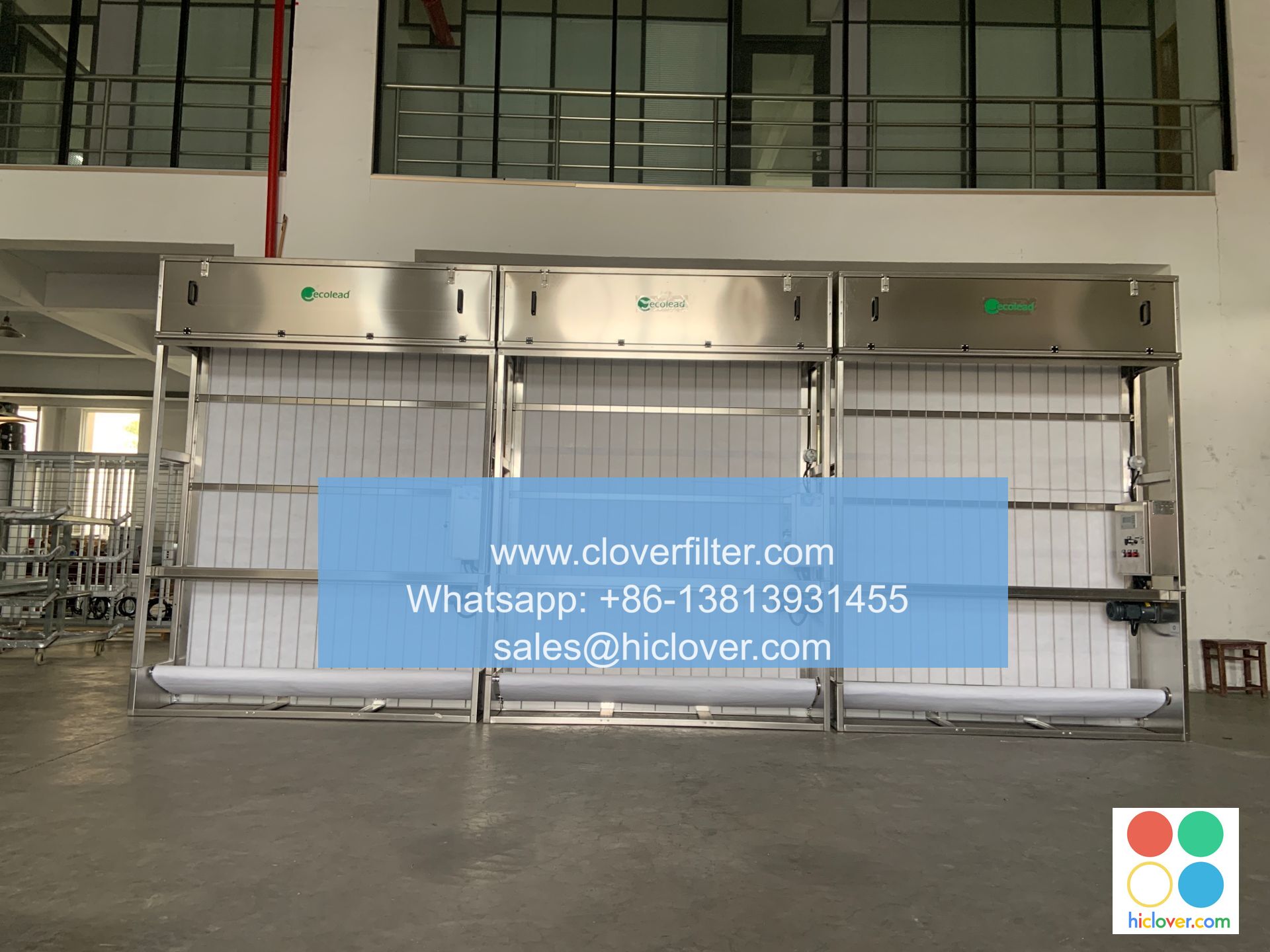
The transition to renewable energy sources has accelerated in recent years, with solar energy taking a central role. However, the efficiency of solar inverters, which convert the direct current (DC) produced by solar panels into alternating current (AC) for home use, remains a critical factor in maximizing energy output. One compelling technology that enhances inverter performance is the automatic roll air intake filter.
Understanding Solar Inverter Efficiency
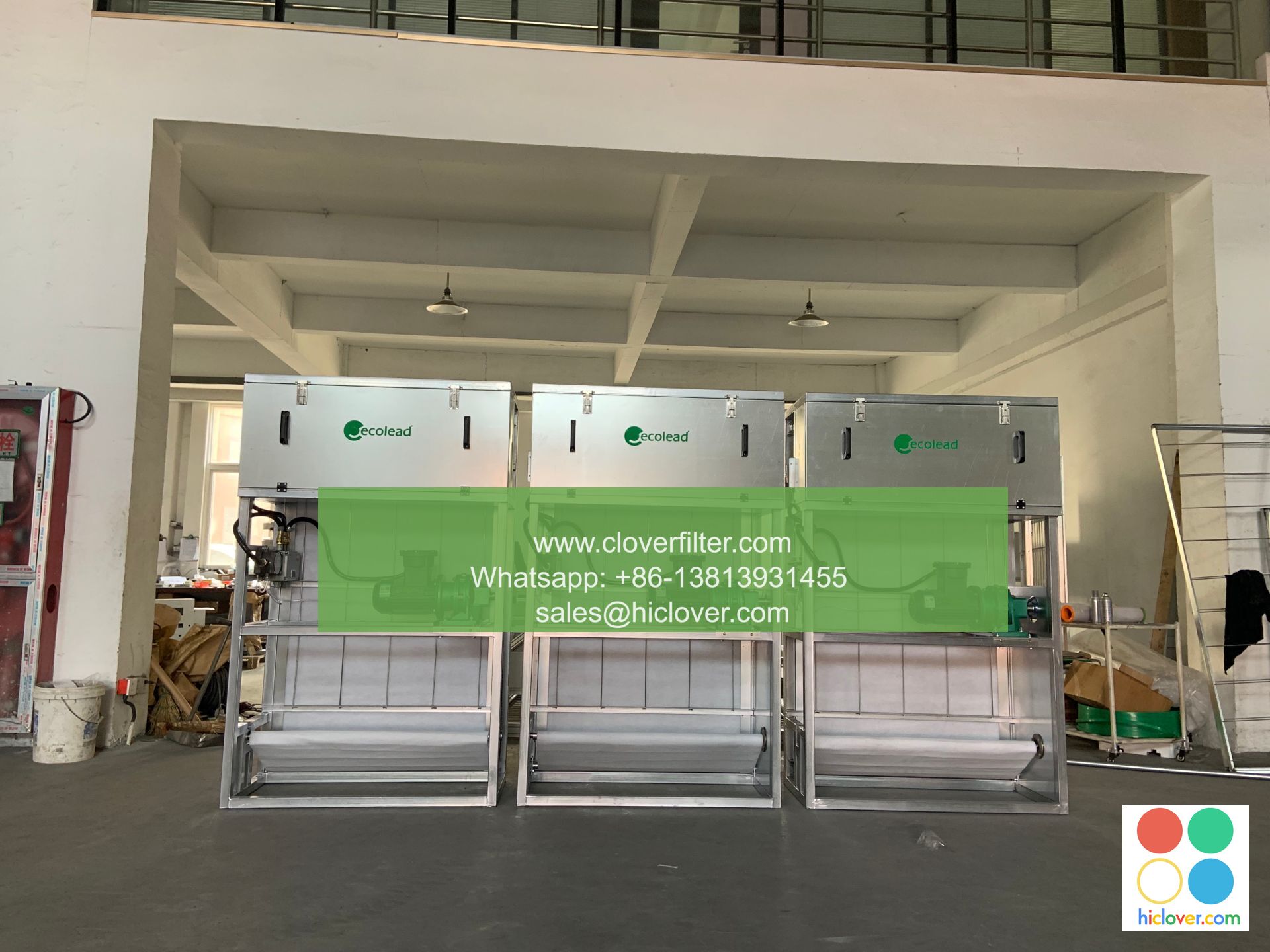
Solar inverter efficiency can significantly impact the overall energy output of solar energy systems. Factors like temperature, dust accumulation, and humidity can affect an inverter’s ability to function optimally. This is where automatic roll air intake filters come into play, ensuring that solar inverters operate within their ideal temperature ranges.
The Importance of Automatic Roll Air Intake Filters
Automatic roll air intake filters serve a dual purpose: they enhance airflow to the inverter while simultaneously preventing harmful contaminants from circulating within the system. By ensuring clean air intake:
- Temperature Regulation: These filters help maintain optimal operating temperatures, preventing overheating and ensuring that the inverter can perform at its highest efficiency.
- Dust and Debris Protection: By filtering out particulate matter, the risk of inverter failure due to clogging is significantly reduced, thereby extending the device’s lifespan.
- Reduced Maintenance: These automatic filters reduce the frequency of manual cleaning and maintenance, providing a seamless operational experience for solar energy consumers.
Applications in Various Areas
The integration of automatic roll air intake filters is particularly beneficial across multiple sectors:
1. Residential Solar Systems
For homeowners using solar panels, automatic roll air intake filters can optimize the performance of residential inverters. This technology ensures higher energy production year-round, essential for households wanting to minimize their carbon footprint.
2. Commercial Solar Installations
In commercial settings, where energy demand is high, maintaining inverter efficiency is critical. Automatic roll air intake filters can lead to substantial cost savings by efficiently harnessing energy and reducing energy losses from system downtimes.
3. Utility-Scale Solar Farms
At the utility scale, where hundreds or thousands of inverters are managed, the importance of consistent efficiency cannot be overstated. Implementing these filters aids in achieving maximum output, crucial for meeting energy demands and heavy grid inputs.
4. Remote and Off-Grid Systems
In off-grid installations, particularly in dusty or extreme environments, the value of reliable air intake systems is even more pronounced. Automatic roll filters enhance the reliability of inverters in challenging locations, thus ensuring continuous power supply.
Conclusion
As the demand for solar energy continues to grow, maximizing the efficiency of solar inverters will be paramount. The implementation of automatic roll air intake filters represents an innovative solution to maintain optimal operational conditions, reduce maintenance costs, and ensure reliable energy production across various application areas. Investing in such technologies will not only improve inverter performance but also contribute to a more sustainable future.
Of course! How can I assist you today? If you have a specific prompt in mind or need help generating one, feel free to share!
