Ottawa Biotech Lab Installs State-of-the-Art Automatic Roll Air Filter System for Enhanced Air Quality
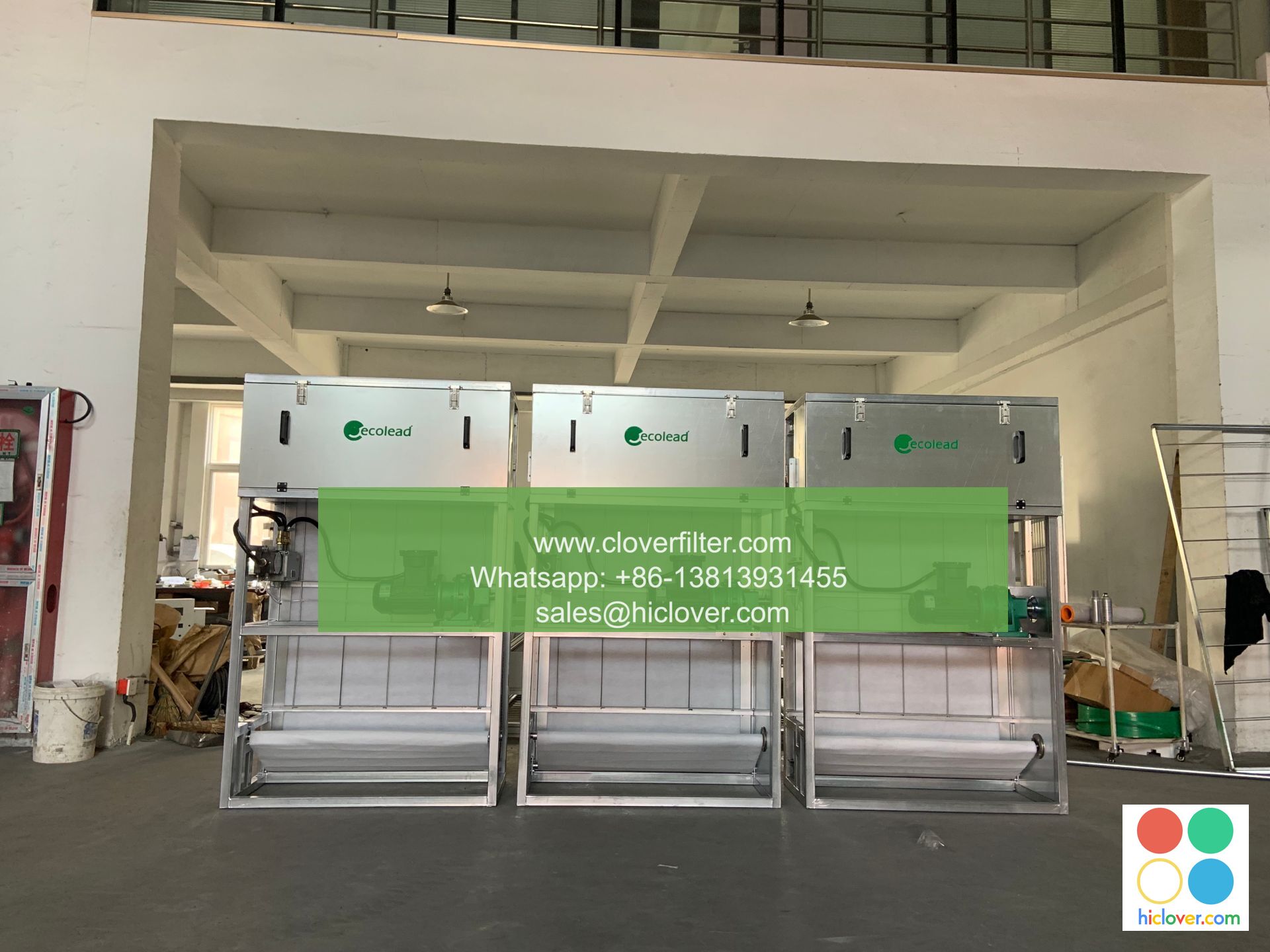
Ottawa Biotech Lab Installs State-of-the-Art Automatic Roll Air Filter System for Enhanced Air Quality
The increasing focus on health and safety in laboratory environments has led to significant advancements in air filtration technology. An Ottawa-based biotech lab has recently taken a major step in ensuring better air quality by installing a state-of-the-art automatic roll air filter system. This innovative solution promises to not only improve the air quality within the facility but also contribute to the overall safety and efficiency of research activities.

What is an Automated Roll Air Filter System?
An automatic roll air filter system is designed to continuously filter and purify the air in a designated space without requiring manual intervention. Unlike traditional air filters, which need to be replaced periodically and may allow contaminants to enter during the change process, these systems utilize a rolling mechanism that automatically refreshes the filter media. This means cleaner air at all times, essential for labs that handle sensitive biological samples or conduct delicate experiments.
Why is Air Quality Important in Biotech Labs?
In biotech labs, the integrity of research often depends on the quality of the environment in which experiments are conducted. Contaminants in the air, including dust, allergens, and biological particles, can lead to compromised results, affecting the reliability of scientific findings. Additionally, good air quality is essential for the health of laboratory personnel who may be exposed to hazardous materials. Therefore, investing in advanced air filtration systems becomes a priority.
Key Benefits of the New Air Filter System
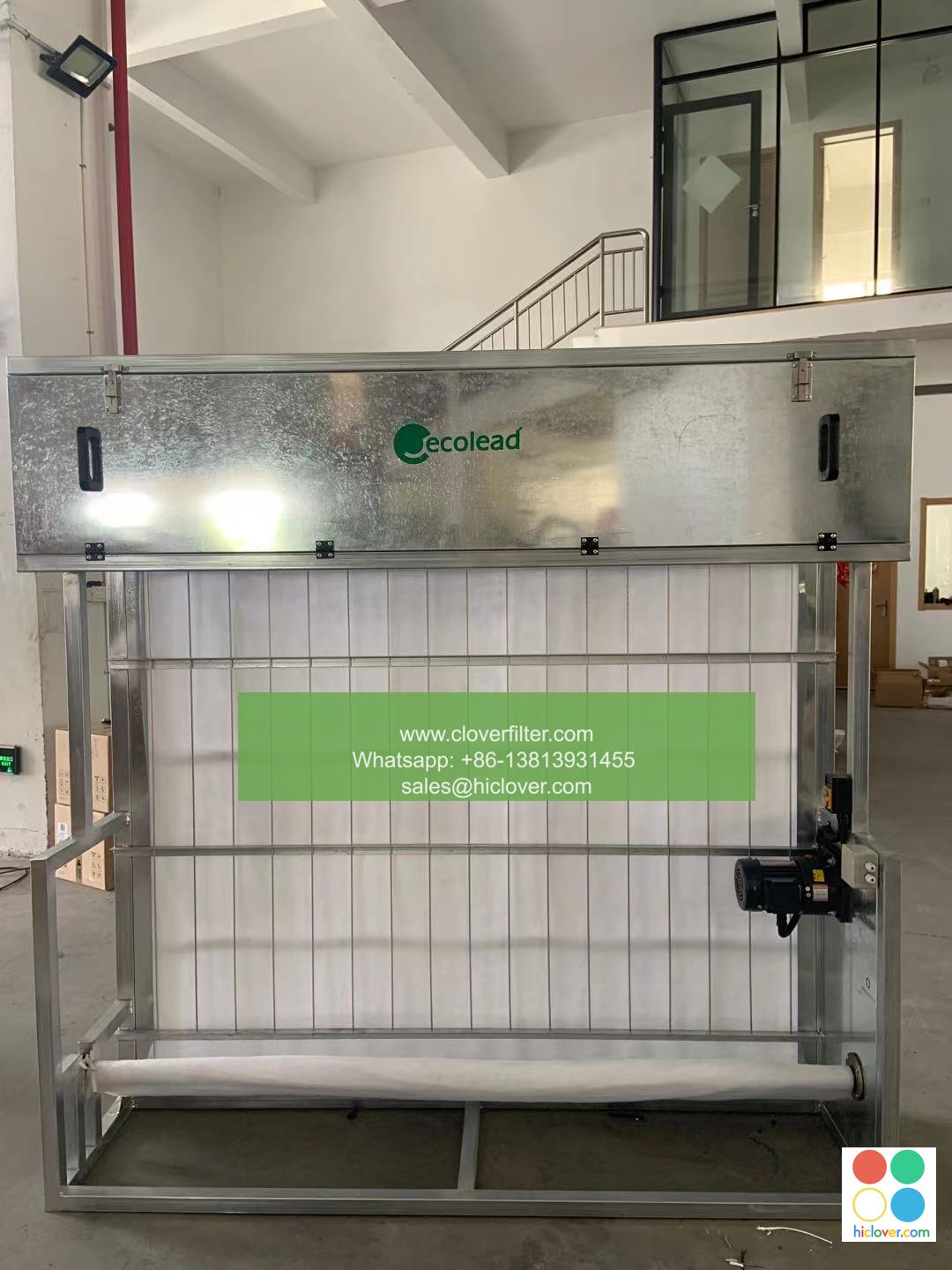
1. Enhanced Filtration Efficiency: The new system uses high-efficiency particulate air (HEPA) filters that can capture up to 99.97% of particles as small as 0.3 microns, ensuring a cleaner, safer workspace.
2. Automatic Maintenance: The automated feature of the roll air filter system reduces downtime associated with manual filter changes, allowing for uninterrupted research and testing.
3. Cost-Effectiveness: Although the initial investment may be substantial, the long-term savings realized through reduced energy consumption and decreased need for frequent filter replacements provide an attractive return on investment.
4. Improved Laboratory Work Conditions: Enhanced air quality leads to a healthier environment for researchers, minimizing potential health risks associated with airborne contaminants.
Implementation Process
The installation of the automatic roll air filter system was a meticulous process, involving careful planning and coordination with specialists to ensure compatibility with existing laboratory infrastructure. The technicians conducted airflow assessments prior to installation, allowing them to customize the system settings according to the specific requirements of the lab. Now operational, the system seamlessly integrates into the lab’s daily routine, operating silently in the background while enhancing the overall research environment.
Conclusion
The successful installation of the state-of-the-art automatic roll air filter system in this Ottawa biotechnology lab represents a pioneering step towards superior air quality management in laboratory settings. With a commitment to maintaining a clean and safe environment for research, this investment showcases the lab’s dedication to innovation and excellence. As the biotech industry continues to evolve, such advancements are crucial for ensuring the integrity of scientific discoveries and the well-being of those who drive them.
FAQs
1. How often do the filters need to be changed in the new system?
The automatic roll air filter system is designed to refresh the filter media automatically, significantly reducing the frequency of manual changes. However, regular maintenance checks are recommended to ensure optimal performance.
2. What types of contaminants can the air filter system capture?
The HEPA filters used in the system can capture airborne particles such as dust, pollen, smoke, and bacterial pathogens, contributing to a safer laboratory environment.
3. How does the air quality impact laboratory experiments?
Poor air quality can introduce contaminants that may interfere with experimental results, especially in sensitive biological or chemical assays, leading to inaccuracies and unreliable data.
4. Is the automatic roll air filter system suitable for other types of facilities?
Yes, while specifically beneficial for biotech labs, the system is also suitable for hospitals, clean rooms, and other environments where air quality is critical.
