Ottawa Biotech Researchers Experience Improved Lab Conditions and Reduced Energy Consumption with Automatic Roll Air Filter
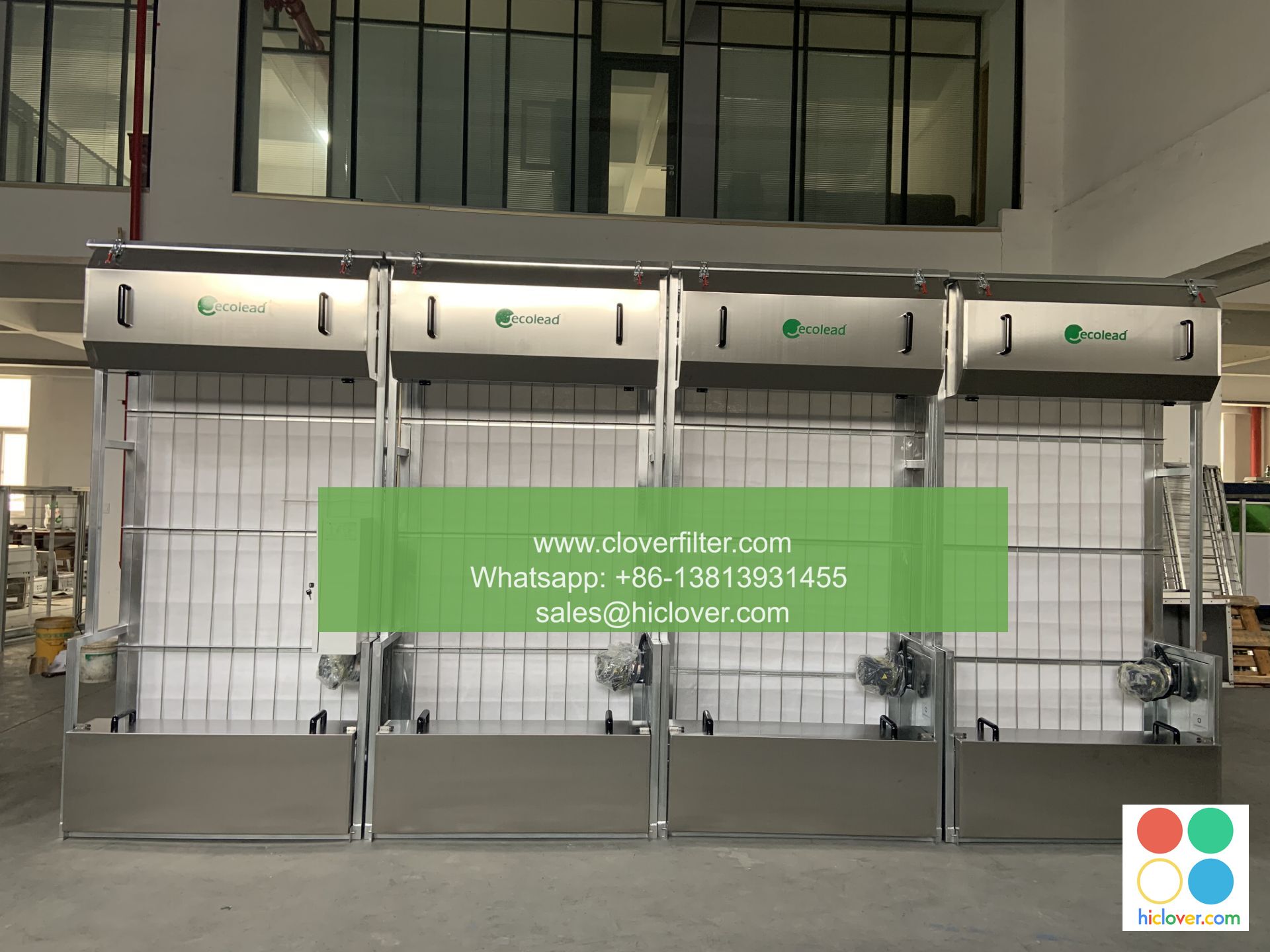
In recent developments, biotechnology researchers in Ottawa have made significant strides towards enhancing laboratory environments while simultaneously reducing energy consumption. This progress has been made possible through the integration of automatic roll air filters into their facilities. These filters not only work to improve air quality but also play a crucial role in minimizing the operating costs associated with energy consumption.
The Role of Air Quality in Biotech Research
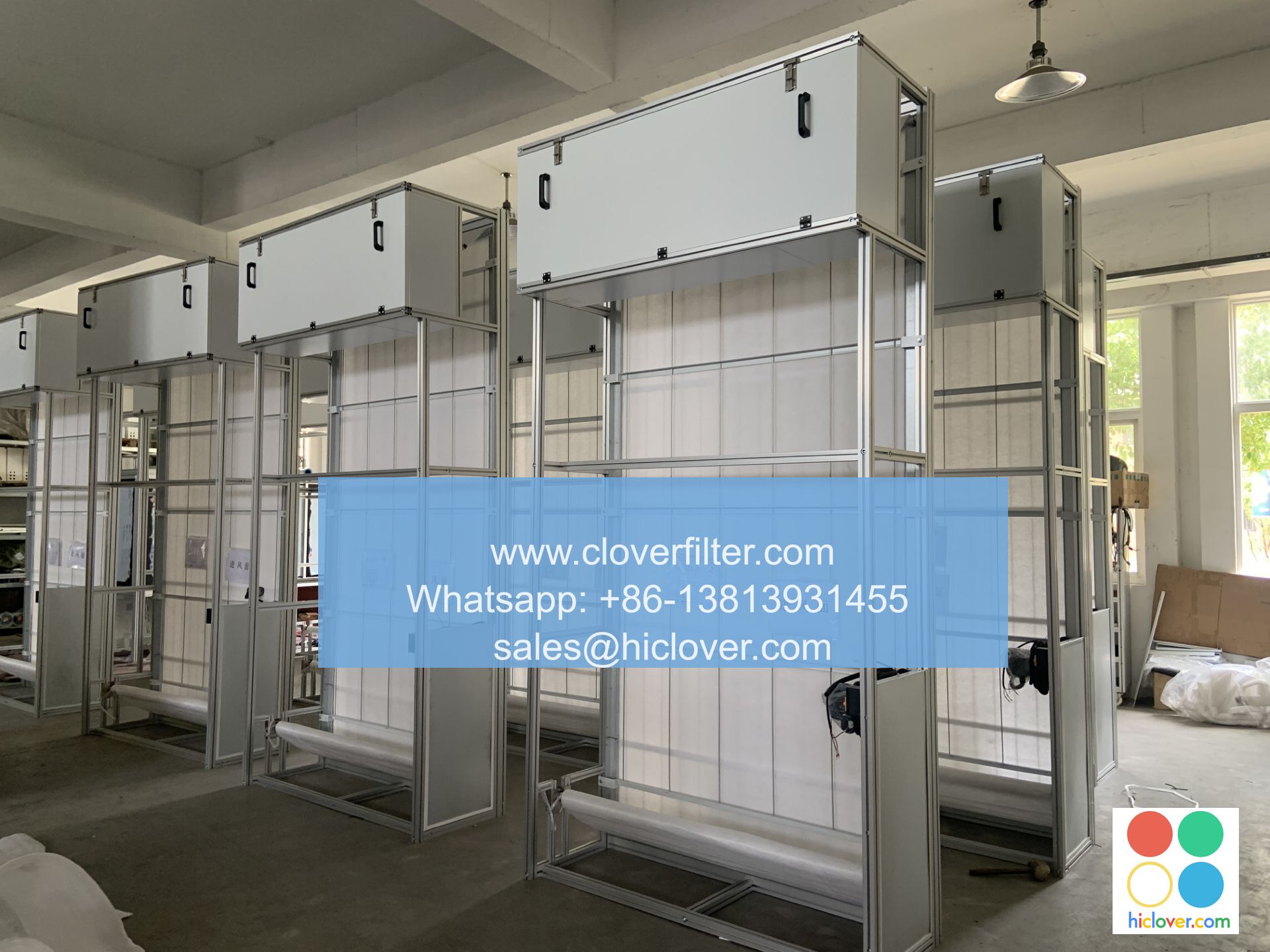
In biotechnology, maintaining optimal conditions—ranging from sterile environments to precise temperature controls—is essential for the success of experimental procedures. Traditional air filtration systems, while effective, often have high energy costs associated with their operation. Researchers have noted that the quality of the air directly impacts the outcomes of their experiments, necessitating a system that ensures the best possible air quality without excessive energy use.
Advantages of Automatic Roll Air Filters
The introduction of automatic roll air filters into the Ottawa biotech labs has brought forth several advantages:
- Energy Efficiency: These filters operate on a sensor-driven basis, automatically adjusting their operation based on the air quality in real time, which significantly reduces unnecessary energy consumption.
- Enhanced Air Quality: The advanced filtration technology employed in roll filters captures a higher percentage of airborne contaminants and particulates, ensuring a cleaner working environment.
- Cost Savings: By optimizing energy use and reducing maintenance needs, laboratories can expect a considerable decrease in operational costs.
- Improved Lab Conditions: Researchers report that cleaner air leads to reduced health risks and better overall laboratory conditions, enhancing productivity.

Researchers’ Feedback
The feedback from Ottawa’s biotech researchers indicates a profound appreciation for the transition to automatic roll filters. In interviews, many expressed that the improved air quality has not only made the lab environment more pleasant but has also led to a noticeable increase in experimentation efficiency. With lesser downtime due to maintenance and fewer risks of contamination, researchers can focus more on their experiments rather than environmental controls.
Conclusion
The integration of automatic roll air filters in Ottawa’s biotech laboratories represents a significant advancement in lab management, effectively improving air quality and reducing energy consumption simultaneously. As the demand for sustainable practices continues to grow, the adoption of innovative technologies like automatic roll filters is critical not just for the scientific community, but also for fostering a more environmentally responsible future in laboratory environments.
Frequently Asked Questions (FAQs)
1. How do automatic roll air filters work?
Automatic roll air filters utilize sensors to monitor air quality continuously. Based on the feedback from these sensors, the system adjusts the filtration levels in real-time to ensure optimal air quality while conserving energy.
2. Are automatic roll filters expensive to maintain?
Although the initial investment may be higher than traditional filters, the reduction in energy consumption and maintenance requirements can lead to significant long-term savings.
3. Can these filters be used in other environments besides labs?
Yes, automatic roll air filters can be beneficial in a variety of environments that require stringent air quality control, including hospitals, cleanrooms, and manufacturing facilities.
4. What impact do these systems have on laboratory productivity?
By providing cleaner air and healthier work conditions, automatic roll filters help reduce downtime and improve overall productivity in research processes.
