Overview of Air Filter Technologies in Cleanrooms
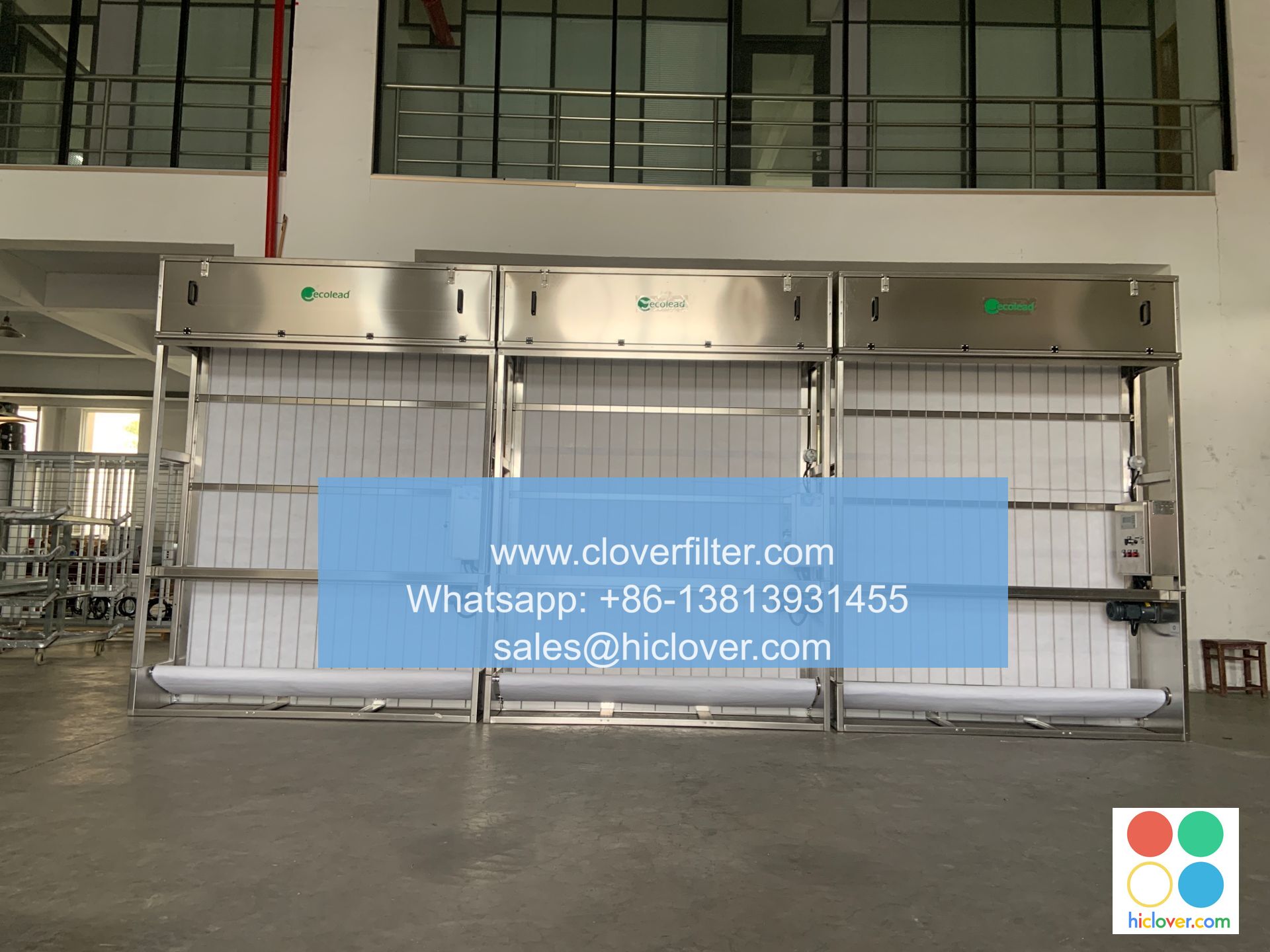
Cleanrooms are controlled environments that require precise air filtration to minimize contamination and ensure product quality. The air filter technologies used in cleanrooms play a crucial role in maintaining the cleanliness and purity of the environment. In this article, we will discuss the various air filter technologies used in cleanrooms, their applications, and the benefits they offer.
**Types of Air Filters**

There are several types of air filters used in cleanrooms, including:
- HEPA (High Efficiency Particulate Air) filters: These filters are capable of removing 99.97% of particles as small as 0.3 microns, making them ideal for critical applications such as pharmaceutical manufacturing, biotechnology research, and medical device production.
- ULPA (Ultra Low Penetration Air) filters: These filters are even more efficient than HEPA filters, removing 99.999% of particles as small as 0.12 microns. They are commonly used in semiconductor manufacturing, nanotechnology research, and other applications that require extremely high levels of cleanliness.
- Activated Carbon filters: These filters are used to remove gases and odors from the air, making them ideal for applications such as food processing and beverage production.
- Pre-filters: These filters are used to protect the main filter from larger particles and debris, extending its lifespan and improving overall filter performance.
**Applications of Air Filter Technologies**
Air filter technologies have a wide range of applications in various industries, including:
- Pharmaceutical and Biotechnology: Air filters are used to maintain sterile environments and prevent contamination during the production of pharmaceuticals and biotechnology products.
- Electronics and Semiconductor Manufacturing: Air filters are used to prevent particle contamination and maintain extremely low levels of cleanliness during the production of electronic components and semiconductors.
- Medical Device Manufacturing: Air filters are used to maintain clean and sterile environments during the production of medical devices, such as implants and surgical instruments.
- Food and Beverage Processing: Air filters are used to remove gases and odors from the air and prevent contamination during food and beverage processing.
**Benefits of Air Filter Technologies**
The use of air filter technologies in cleanrooms offers several benefits, including:
- Improved product quality: By maintaining a clean and sterile environment, air filters help to prevent contamination and ensure product quality.
- Increased efficiency: Air filters help to reduce downtime and increase productivity by minimizing the risk of contamination and product defects.
- Cost savings: Air filters help to reduce costs associated with product defects and contamination.
- Regulatory compliance: Air filters help to ensure regulatory compliance by maintaining the required levels of cleanliness and sterility in cleanrooms.
**Conclusion**
In conclusion, air filter technologies play a critical role in maintaining the cleanliness and purity of cleanrooms. The various types of air filters, including HEPA, ULPA, activated carbon, and pre-filters, offer a range of benefits and applications in various industries. By understanding the different types of air filters and their applications, manufacturers can ensure the quality and purity of their products, improve efficiency, and reduce costs. As the demand for clean and sterile environments continues to grow, the importance of air filter technologies will only continue to increase.
