Pepsi Bottling Plant Operations: The Impact of Air Filtration on Overall Efficiency
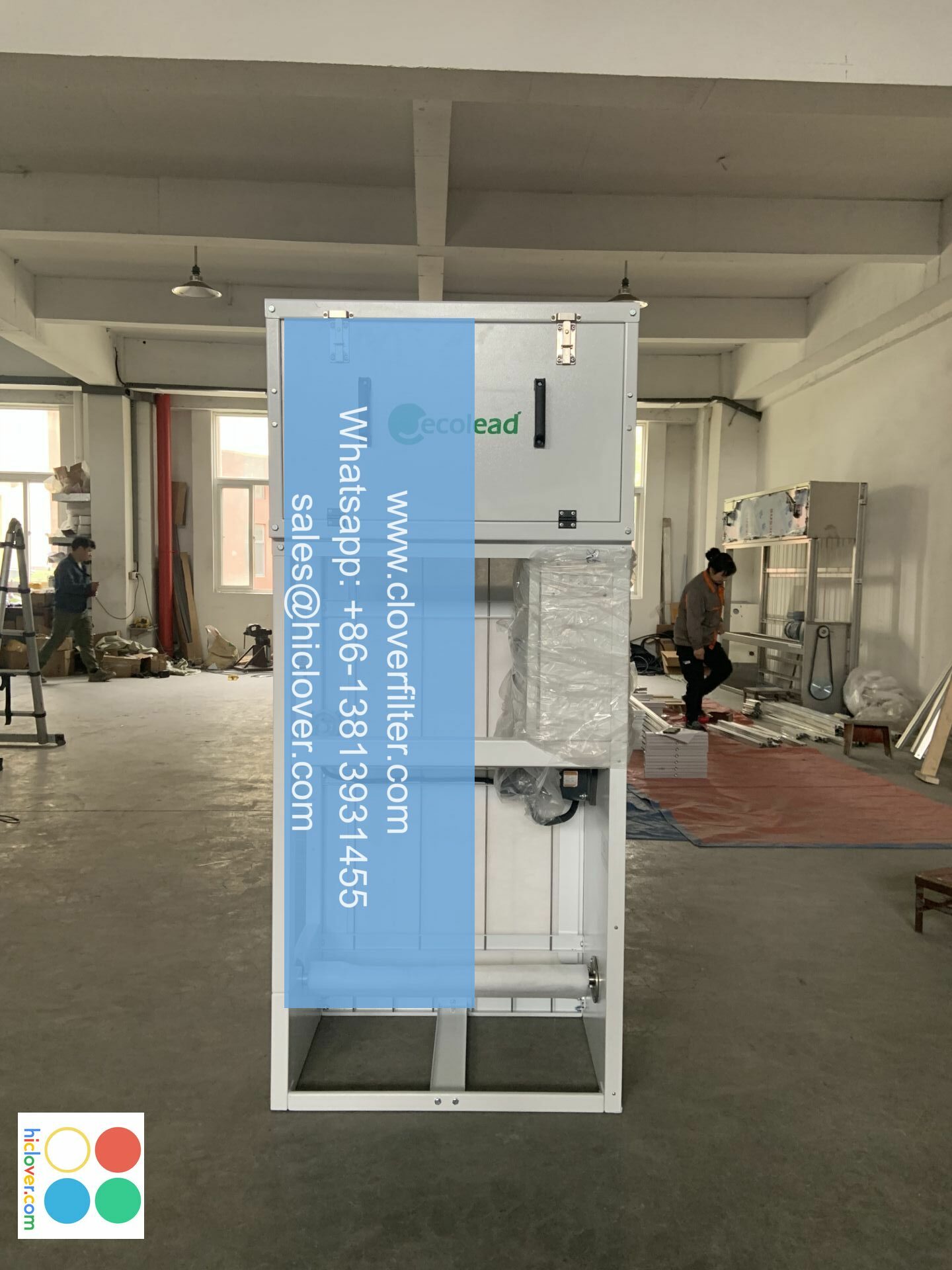
In today’s highly competitive beverage industry, operational efficiency in bottling plants is of paramount importance. Among various factors influencing productivity, air filtration plays a critical role in ensuring optimal conditions for beverage production. This article explores the impact of air filtration on overall efficiency at Pepsi bottling plants, highlighting various application areas within the facility.
Understanding the Role of Air Filtration
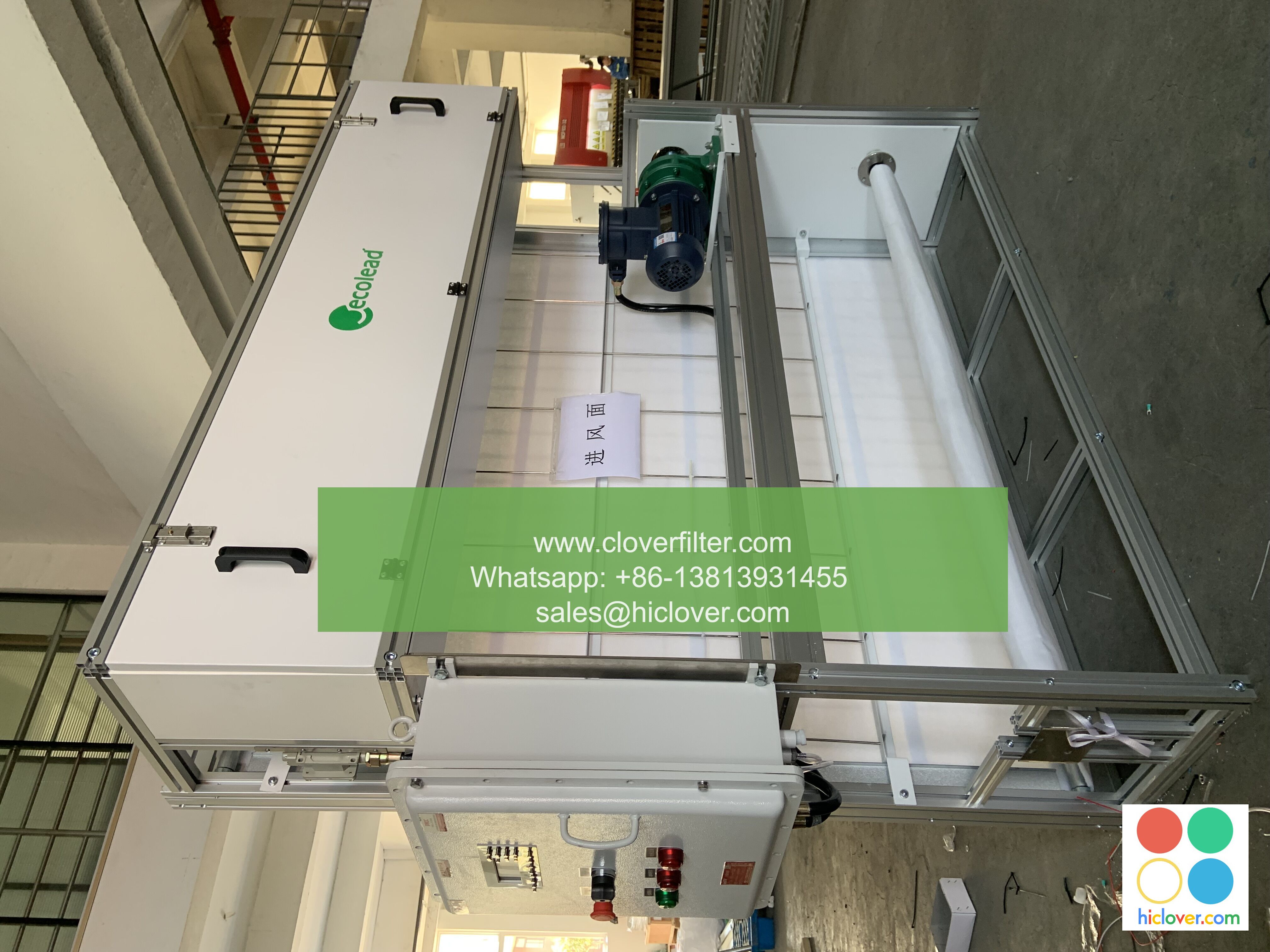
Air filtration is essential for maintaining a clean and controlled environment within beverage production facilities. Dust, allergens, and airborne contaminants can adversely affect not only the quality of the product but also the operational efficiency of machinery and equipment.
Effective air filtration systems contribute to:
- Improved Air Quality: Ensures a contaminant-free workspace.
- Machinery Longevity: Reduces wear and tear on equipment by minimizing dust accumulation.
- Employee Health and Safety: Creates a healthier work environment, leading to enhanced productivity.

Key Application Areas of Air Filtration in Pepsi Bottling Plants
1. Production Line Efficiency
Air filtration systems play a vital role in enhancing the efficiency of production lines. Dust and particle accumulation can lead to machine malfunctions and slowdowns. By implementing advanced filtration solutions, Pepsi bottling plants can:
- Reduce Downtime: Fewer machine breakdowns result in uninterrupted production.
- Enhance Output Quality: Cleaner air leads to higher quality products through reduced contamination during bottling.
2. Ingredient Handling and Storage
Air quality is crucial in areas where raw materials, such as water and flavorings, are handled and stored. Effective air filtration can:
- Preserve Ingredient Integrity: Prevents airborne contaminants from affecting the taste and quality of ingredients.
- Extend Shelf Life: Reduces spoilage of sensitive materials due to contaminants.
3. Warehouse and Packaging Areas
The packaging phase of bottling operations is particularly sensitive to air quality issues. Efficient air filtration systems can:
- Ensure Product Integrity: Protects finished products from dust and particulate matter.
- Enhance Visual Inspection: Clear air enables better visibility for quality control checks.
4. Employee Work Environment
A clean air environment contributes to employee well-being, which indirectly boosts efficiency. Benefits include:
- Reduced Sick Days: Improved air quality minimizes respiratory issues and allergies.
- Increased Productivity: Employees can perform at their best in a healthy environment.
Metrics for Evaluating Air Filtration Efficiency
To assess the effectiveness of air filtration systems in bottling plants, several performance metrics should be evaluated:
- Energy Efficiency: Monitor energy consumption of air filtration systems to ensure they are operating efficiently.
- Filter Lifespan: Analyze the lifespan of filters used, aiming for a balance between effectiveness and cost.
- Air Quality Index: Regularly measure air quality to ensure contaminants remain below acceptable levels.
Conclusion
In the competitive landscape of beverage production, the importance of effective air filtration cannot be overstated. For Pepsi bottling plants, implementing advanced air filtration systems leads to substantial improvements in operational efficiency across various application areas, from production to packaging.
By prioritizing air quality, Pepsi can enhance not only the health and productivity of its employees but also the overall quality of its products. As technological advancements continue to evolve, the future of air filtration within bottling operations promises even greater efficiencies and innovations.
Call to Action
Investing in state-of-the-art air filtration technology is not just an operational necessity; it’s a strategic move to enhance productivity and maintain product quality at Pepsi bottling plants. Emphasizing clean air as a core operational element is crucial to staying competitive in the ever-evolving beverage market.
By understanding and optimizing air filtration in bottling operations, companies like Pepsi can achieve greater efficiency and ensure the delivery of high-quality beverages to their consumers.
