Perfect Air: An Insider’s Look at Air Filter Production
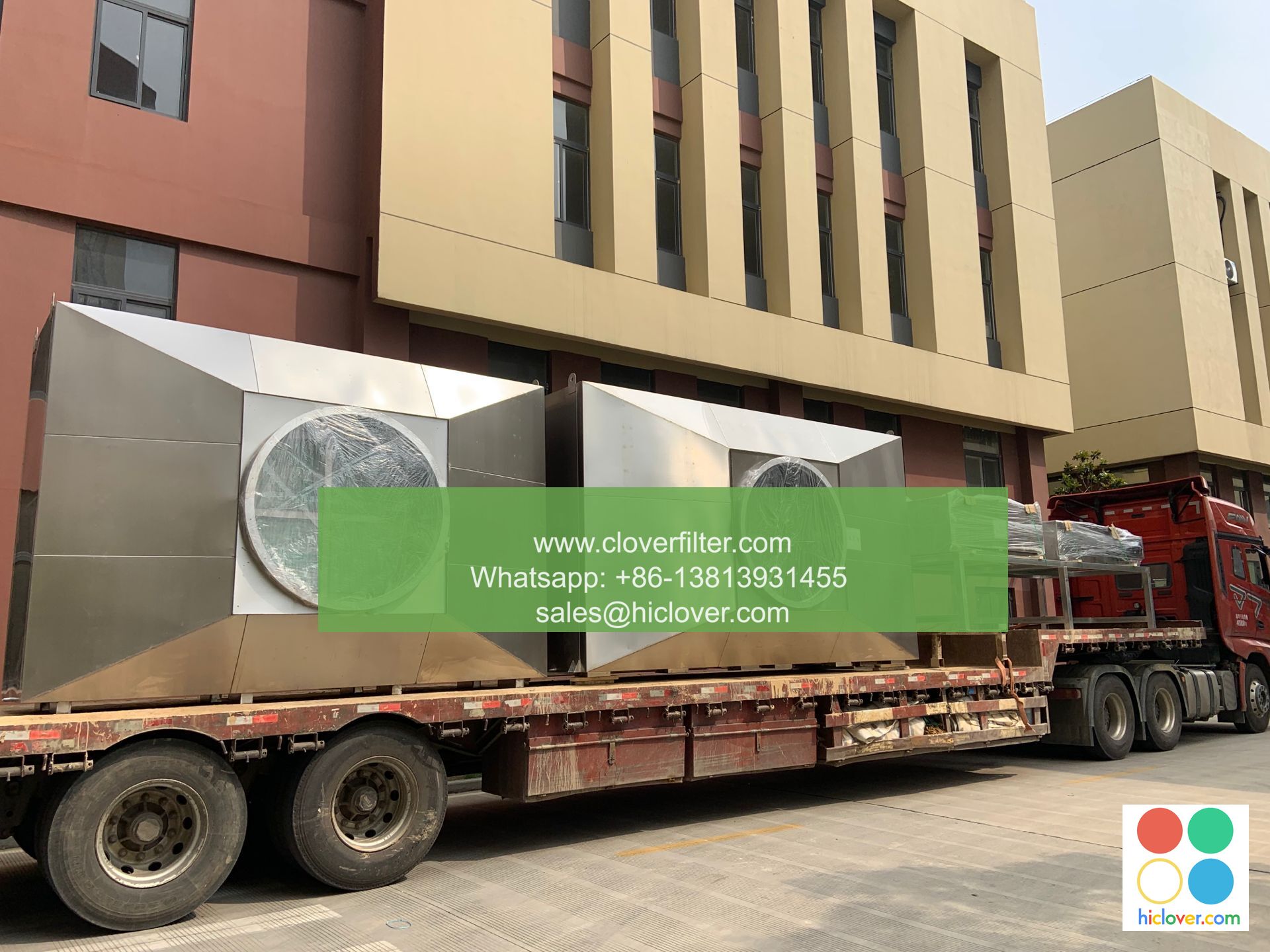
The importance of clean air cannot be overstated, and the production of high-quality air filters is crucial in achieving this goal. In this article, we will delve into the world of air filter production, exploring the various air purification systems and filtration technologies used to create perfect air. We will also examine the different application areas where air filters are used, including industrial air filtration, commercial HVAC systems, and residential air purification.
The Basics of Air Filter Production
Air filter production involves the creation of filters that can capture particles, gases, and other contaminants from the air. The process typically begins with the selection of materials, such as fiberglass, polyester, or activated carbon, which are then cut and shaped to fit specific filter frames or housing systems. The filters are then treated with various chemical coatings or electrostatic charges to enhance their filtration efficiency and capturing capabilities.
Types of Air Filters and Their Applications
There are several types of air filters, each designed for specific application areas. Some of the most common types include:
* HEPA filters: High-Efficiency Particulate Air filters, which are used in hospital air filtration systems, pharmaceutical cleanrooms, and industrial manufacturing processes to capture 99.97% of particles as small as 0.3 microns.
* Activated carbon filters: Used in gas masks, air purifiers, and industrial odor control systems to capture gases, vapors, and chemicals.
* UV air purifiers: Used in residential air purification systems and commercial HVAC systems to kill bacteria, viruses, and other microorganisms.
Industrial Air Filtration and Commercial HVAC Systems
In industrial settings, air filters are used to capture particles, gases, and other contaminants that can damage equipment, compromise product quality, and pose health risks to workers. Industrial air filtration systems are designed to handle high volumes of air and can be customized to meet specific industry requirements, such as food processing, pharmaceutical manufacturing, and chemical processing.
In commercial HVAC systems, air filters are used to maintain good indoor air quality and reduce the risk of airborne diseases. Commercial air filtration systems are designed to handle large volumes of air and can be integrated with building management systems to optimize energy efficiency and system performance.

Residential Air Purification and the Importance of Clean Air
In residential settings, air filters are used to improve indoor air quality and reduce the risk of airborne diseases. Residential air purification systems can be customized to meet specific homeowner needs, such as allergy relief, asthma management, and odor control. The importance of clean air in residential settings cannot be overstated, as it can have a significant impact on health and wellbeing, comfort, and quality of life.
In conclusion, the production of high-quality air filters is crucial in achieving perfect air. By understanding the various air purification systems and filtration technologies used in different application areas, we can appreciate the importance of clean air and the role that air filters play in maintaining good indoor air quality. Whether in industrial, commercial, or residential settings, air filters are a vital component of any air filtration system, and their production requires careful attention to detail, advanced technologies, and a commitment to quality. It seems like you forgot to include the prompt. Could you please provide more details or specify what you would like to talk about or ask? I’m here to help with any questions or topics you have in mind.
