Pharmaceutical Cleanroom Design and Automatic Roll Air Filters: Optimizing Airflow and Air Quality
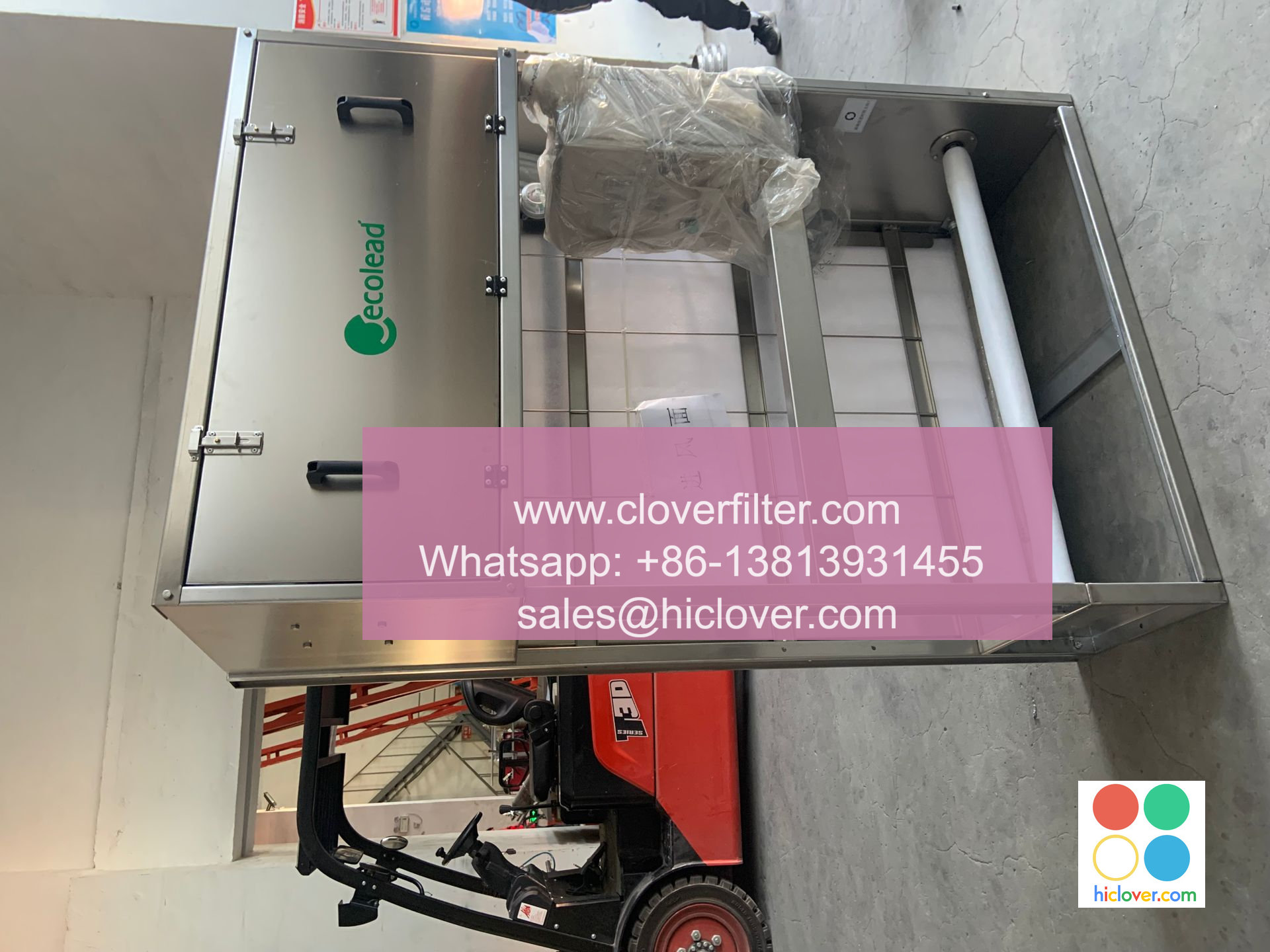
In the pharmaceutical industry, maintaining a sterile environment is critical for ensuring product quality and safety. This is where pharmaceutical cleanroom design plays a pivotal role. Cleanrooms are specially designed environments that control airborne contaminants, temperature, humidity, and pressure levels. A fundamental aspect of cleanroom design is the management of airflow and air quality, which is where automatic roll air filters come into play.
Understanding Cleanroom Standards

Cleanrooms are classified according to the ISO standards, which categorize cleanrooms by the maximum allowable particulate levels. For instance, ISO Class 5 cleanrooms permit no more than 3,520 particles per cubic meter for particles of size 0.5 microns and larger. Achieving and maintaining these stringent conditions necessitates advanced engineering solutions, especially in airflow management.
The Role of Airflow in Cleanroom Design
Airflow is vital in a cleanroom setting, as it directly impacts the levels of airborne particles. The design of the cleanroom should include a proper airflow strategy, which often involves laminar flow systems. Laminar flow helps to maintain a uniform distribution of filtered air across the cleanroom, minimizing dead zones where contaminants could accumulate.
Efficient airflow design reduces the risk of cross-contamination, protecting sensitive products and processes. Typically, cleanrooms employ high-efficiency particulate air (HEPA) or ultra-low penetration air (ULPA) filters that trap particles as small as 0.1 microns, effectively maintaining the cleanliness of the environment.
Automatic Roll Air Filters: An Innovative Solution
Automatic roll air filters are revolutionizing the way air quality is managed in cleanrooms. These filters can be integrated into the HVAC system, ensuring that a consistent level of air cleanliness is maintained without manual intervention. Designed to optimize airflow, these filters automatically adjust based on various parameters, including the level of particulate matter detected in the air.
One of the key advantages of automatic roll air filters is their ability to self-clean, which extends the lifespan of the filter and reduces maintenance costs. When the filter becomes clogged, the automatic system initiates a cleaning cycle, ensuring continuous operation without the need for human oversight. This not only improves air quality but also reduces the operational costs associated with frequent filter replacements.
Benefits of Automated Filtration Systems
- Improved Air Quality: Consistently removes airborne contaminants, ensuring a high level of air purity.
- Reduced Downtime: The self-cleaning feature allows for uninterrupted operations.
- Energy Efficiency: Automated systems use less energy compared to traditional manual systems.
- Cost Saving: Reduces the need for replaceable filters and maintenance labor.
Conclusion
The design of pharmaceutical cleanrooms is an intricate process that requires careful consideration of numerous factors, including airflow and air quality. Automatic roll air filters represent an innovative solution that enhances cleanroom efficiency by optimizing airflow and maintaining stringent air quality standards. By leveraging advanced filtration technologies, pharmaceutical facilities can ensure the highest product quality and safety, ultimately leading to better health outcomes.
FAQs
What is a cleanroom?
A cleanroom is a controlled environment where the levels of airborne particulates, temperature, humidity, and pressure are regulated to ensure the safety and quality of sensitive processes and products.
What are the benefits of automatic roll air filters?
Automatic roll air filters provide improved air quality, reduced downtime due to self-cleaning capabilities, enhanced energy efficiency, and cost savings on maintenance and replacements.
What ISO standards apply to cleanrooms?
Cleanrooms are classified according to ISO standards, with ISO 14644-1 being the primary standard that outlines the maximum allowable levels of airborne particulate contamination.
How often should cleanroom filters be replaced?
Filter replacement frequency varies based on the particulate load, type of process being conducted, and the specific design of the cleanroom. However, with automatic roll filters, maintenance can be significantly reduced.
