Pollution and Clean Air
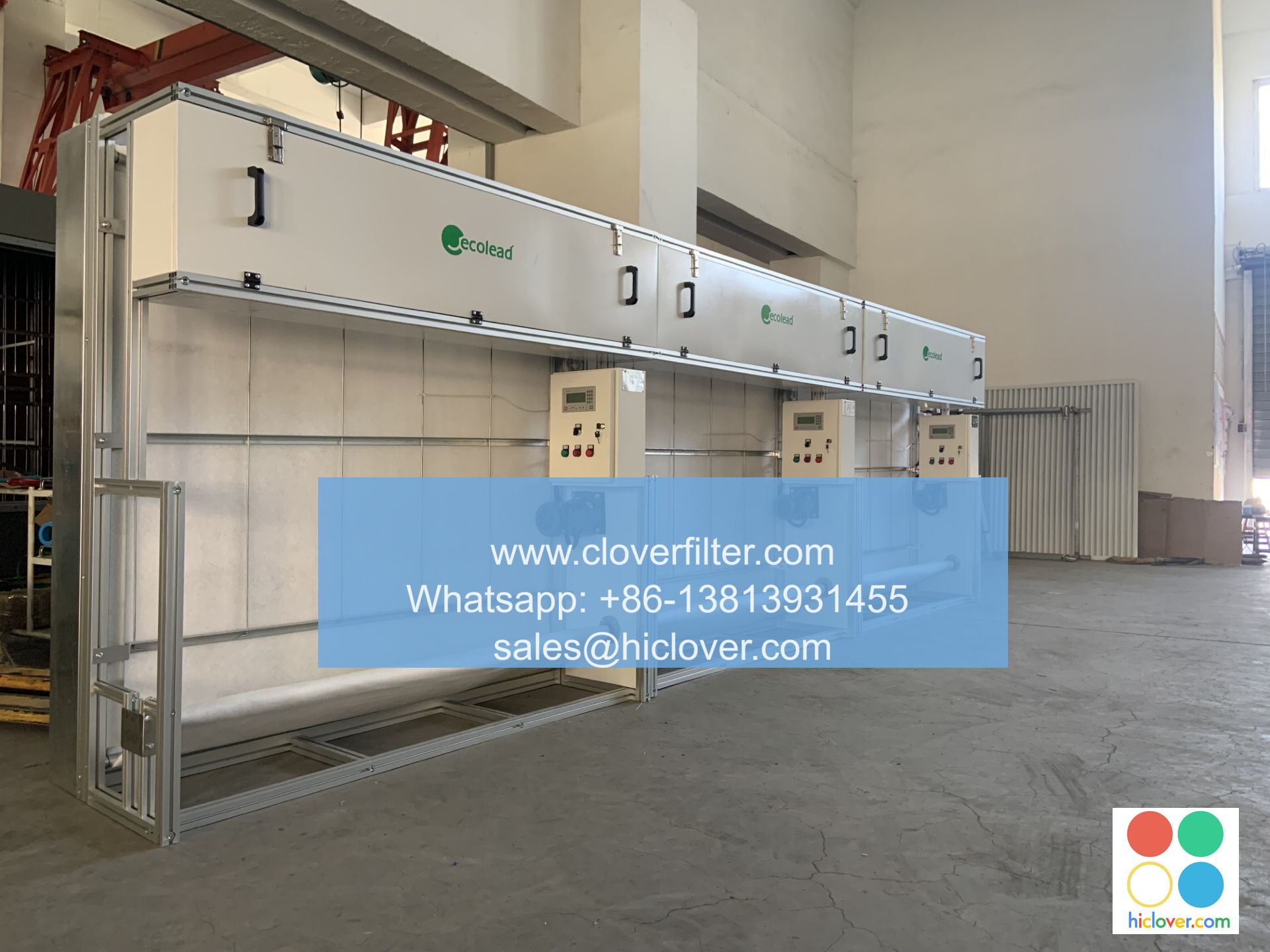
Pollution has become a major issue in recent years, with the increasing industrialization and urbanization leading to a significant deterioration in air quality. The air pollution control measures are becoming essential to reduce the levels of pollutants in the air, including particulate matter, nitrogen dioxide, sulfur dioxide, and carbon monoxide. In this article, we will discuss the importance of clean air and the various application areas where air pollution monitoring and air quality management are crucial.
The Impact of Pollution on the Environment and Human Health
The environmental impact of pollution is significant, with the main pollutants being particulate matter, nitrogen dioxide, sulfur dioxide, and carbon monoxide. These pollutants can cause respiratory problems, cardiovascular diseases, and even cancer. Moreover, air pollution can also have a significant impact on the ecosystem, leading to acid rain, climate change, and deforestation. Therefore, it is essential to implement air pollution control measures to reduce the levels of pollutants in the air.
Clean Air Technologies and Applications
There are various clean air technologies available, including air filters, air purifiers, and scrubbers. These technologies can be used in various application areas, such as:
* Industrial air pollution control: to reduce the levels of pollutants emitted by industries, such as power plants, cement factories, and steel mills.
* Transportation air pollution control: to reduce the levels of pollutants emitted by vehicles, such as cars, trucks, and buses.
* Indoor air quality management: to improve the air quality inside buildings, such as homes, offices, and schools.
* Urban air quality management: to improve the air quality in urban areas, such as cities and towns.
Highlights of Clean Air Applications
Some of the key application areas of clean air technologies include:
* Smart cities: where air pollution monitoring and air quality management are used to improve the air quality and reduce the levels of pollutants.
* Renewable energy: where clean air technologies are used to reduce the levels of pollutants emitted by renewable energy sources, such as wind turbines and solar panels.
* Green buildings: where indoor air quality management is used to improve the air quality inside buildings and reduce the levels of pollutants.
* Electric vehicles: where clean air technologies are used to reduce the levels of pollutants emitted by electric vehicles.

Conclusion
In conclusion, pollution is a significant issue that affects the environment and human health. The implementation of air pollution control measures and the use of clean air technologies are essential to reduce the levels of pollutants in the air. The various application areas of clean air technologies highlight the importance of air pollution monitoring and air quality management in improving the air quality and reducing the levels of pollutants. By using clean air technologies and implementing air pollution control measures, we can create a cleaner and healthier environment for future generations. It seems like you didn’t provide a prompt for me to respond to. Could you please provide more details or clarify what you would like to talk about? I’m here to help with any questions or topics you have in mind!
