Practical Tips for Measuring Actual Size Accurately
Key Takeaways
- Understand the difference between nominal size vs actual size.
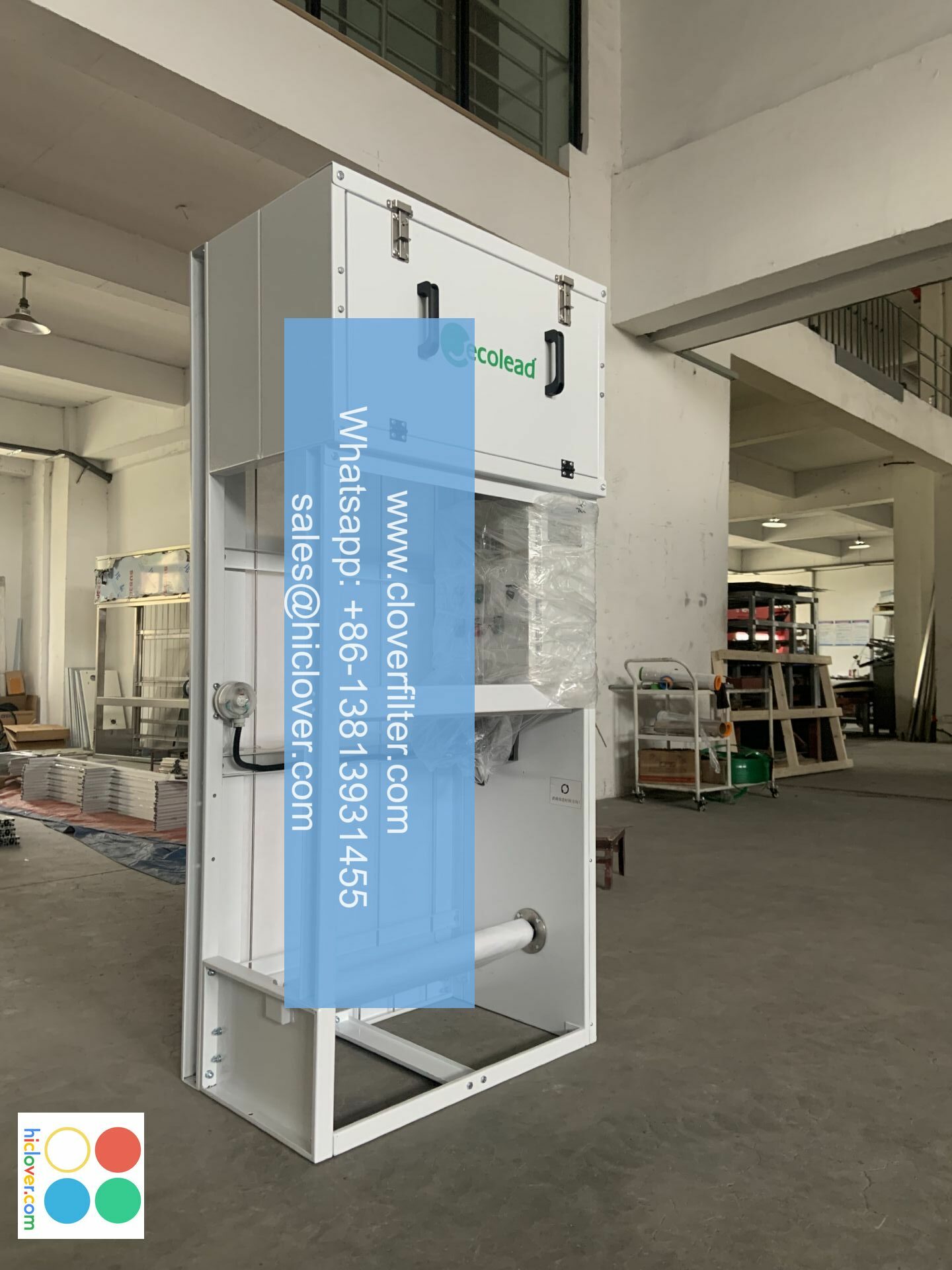
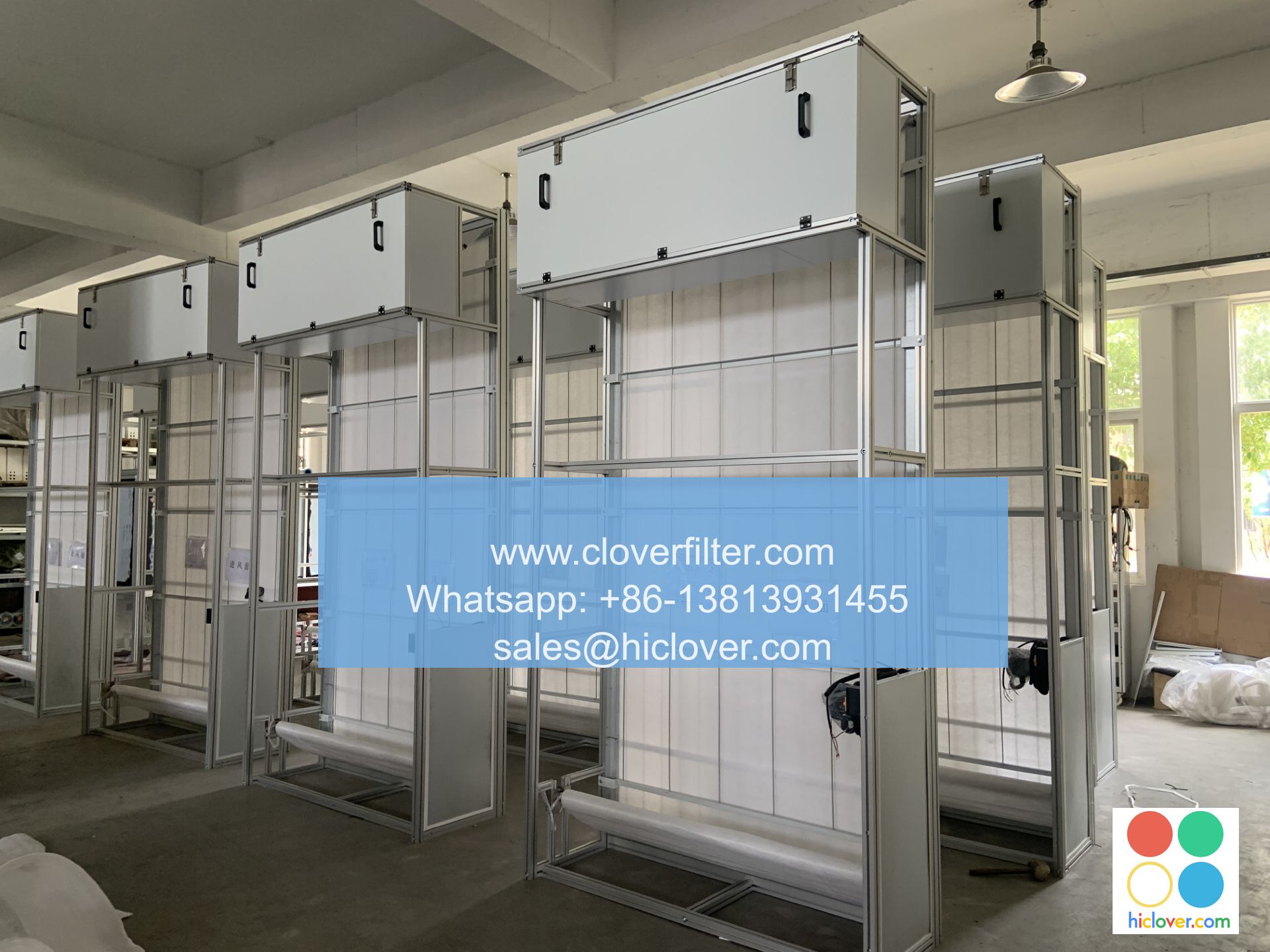
- Choose an Automatic Roll Air Filter for efficient filtration.
- Select correct airflow range and face velocity for your application.
- Be mindful of installation locations like fresh air intakes and return ducts.
- Avoid common mistakes in sizing and selection.
- Ensure compliance with various standards (MERV, ISO 16890).
- Consider differential pressure and maintenance needs during selection.
- Roll Media Advance Logic: Automatically shifts the filter media as it becomes saturated, ensuring continuous filtration without manual intervention.
- Differential Pressure Trigger: Monitors air flow resistance and engages the rolling mechanism when pressure exceeds set levels.
- Timer Mode: Pre-programmed schedules for filter advancements can further enhance efficiency.
- Airflow Range: Ensure compatibility with your system’s requirements.
- Face Velocity: This includes the speed at which the air flows through the filter.
- Media Width/Length: Gauge the size of your installation space to ensure an accurate fit.
- Frame Size: Make sure it matches your air handling unit dimensions.
- Control Options: Consider whether you need manual or automatic control integration.
- Power Supply: Confirm compatibility with your existing electrical setup.
- Installation Location: Determine if it’s for fresh air intake, return air, or specific process areas.
- Assuming nominal size equals actual size.
- Overlooking installation location requirements.
- Failing to consider airflow range.
- Neglecting differential pressure monitoring.
- Choosing filters based solely on initial cost without factoring in maintenance.
- Ignoring the filter’s compliance with industry standards.
- Miscalculating face velocity for the application.
- Underestimating the importance of media quality (MERV ratings).
- Skipping routine assessments of the filter’s condition.
- Overloading systems with too many filters.
- Data Center: Implementing Automatic Roll Air Filters reduces particulate load, contributing to extended equipment life.
- Battery Factory: Advanced filtration protects sensitive materials from contamination, ensuring product quality and compliance.
- Paint Shop: Effective mist and particulate control enhances worker safety and improves air quality within the facility.
- Textile/Steel/Cement Plant: Continuous air filtration through the Automatic Roll Air Filter system keeps the work environment clean while reducing maintenance downtime.

In the realm of industrial air filtration, the debate on nominal size vs actual size is critical for ensuring optimal performance of your HVAC systems. Understanding these dimensions is essential when selecting filters like the Automatic Roll Air Filter, which is designed to integrate seamlessly into various applications such as cleanrooms, data centers, and manufacturing plants. This article will provide practical tips on accurately measuring actual size, ensuring you choose the right filter for your system’s requirements.
Understanding Nominal Size vs Actual Size
The nominal size is the standardized dimension used for categorizing filters, while the actual size refers to the precise measurements of the filter itself. For HVAC professionals, the discrepancy between these two sizes can lead to inefficient system operation, leading to higher costs and reduced effectiveness in air quality management.
What is an Automatic Roll Air Filter?
An Automatic Roll Air Filter is a sophisticated air filtration solution utilizing roll media to improve air quality and particulate control. It operates through an advanced logic system that includes roll media advancement based on differential pressure triggers and preset timer modes. This ensures the filter continues to operate optimally while minimizing maintenance requirements.
How It Works:
This filter type is suitable for use in HVAC/AHU systems, acting as a prefilter for incoming fresh air or make-up air.
Practical Selection Guide
When choosing an Automatic Roll Air Filter, consider the following factors:
Comparison Table
| Feature | Automatic Roll Air Filter | Bag Filter | Panel Filter | V-bank |
|---|---|---|---|---|
| Best Use Case | High airflow/particulate control | General HVAC | Low to medium HVAC | General HVAC |
| Maintenance | Low | Moderate | Low | High |
| Pressure Drop Behavior | Efficient | Moderate | Low | High |
| Operating Cost | Moderate | High | Low | Moderate |
| Typical Risk/Downside | Initial higher cost | Frequent changes | Limited air quality | Higher energy use |
Common Mistakes & How to Avoid Them
Real-World Scenarios
Conclusion
In the industrial sector, understanding the nuances between nominal size vs actual size is vital for optimal filtration and HVAC efficiency. An Automatic Roll Air Filter from CloverFilter offers an advanced solution tailored to meet the demanding needs of various environments, from cleanrooms to heavy manufacturing settings. Utilizing accurate measurements and thoughtful selection will enhance air quality while conserving energy.
For further assistance on selecting the right filtration system, contact us at CloverFilter and explore your options by visiting CloverFilter.com.
Meta Description: Learn to measure actual size accurately for air filters. Discover tips, common mistakes, and solutions for effective industrial air filtration.
For personalized assistance, reach out to CloverFilter at CloverFilter Contact.
It looks like you entered just “Prompt.” How can I assist you with that? Are you looking for writing prompts, a specific topic to discuss, or something else? Let me know!
