Preventing Dust Accumulation: The Role of Self-Cleaning Filters
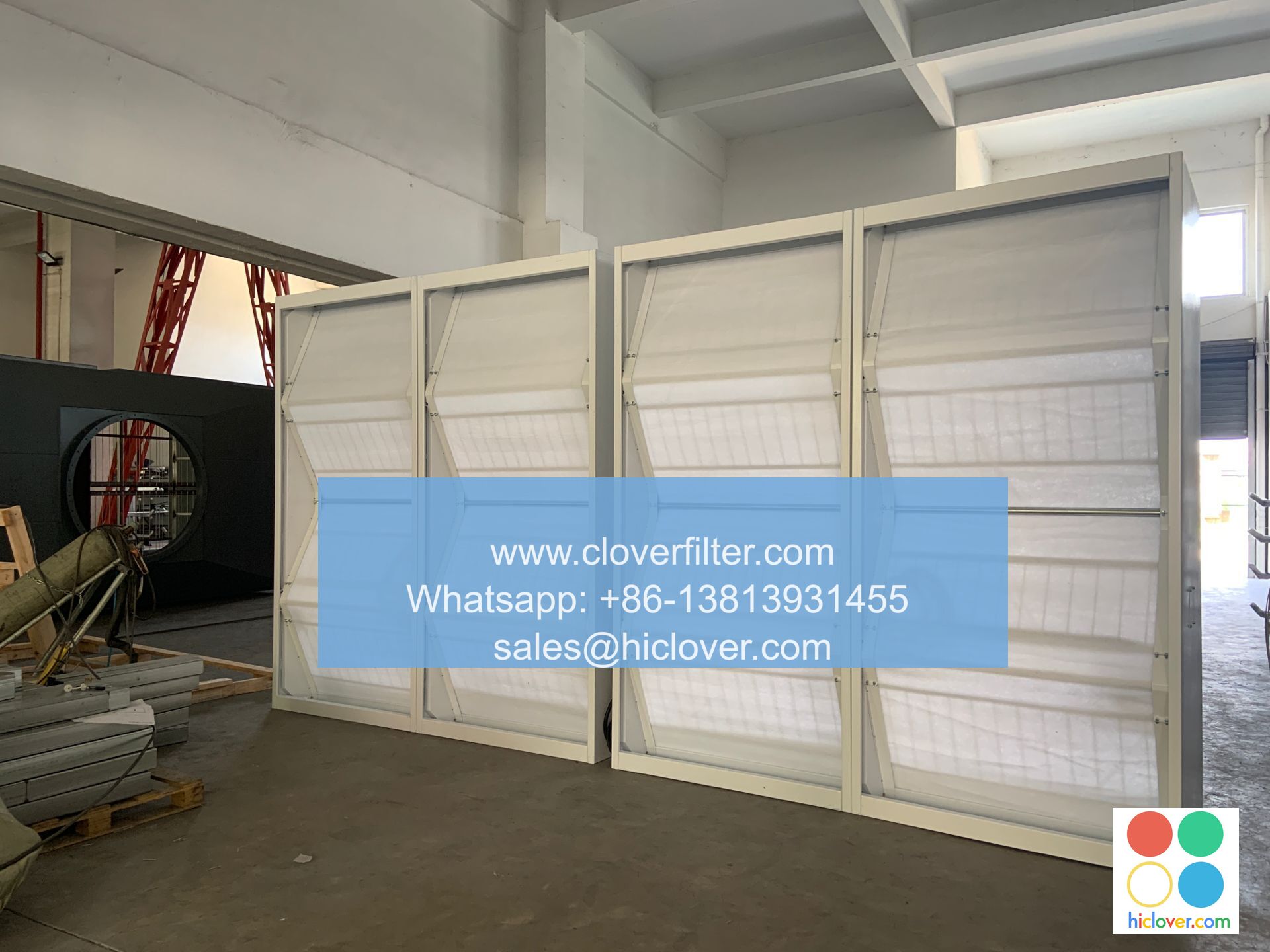
Dust accumulation is not just a cosmetic issue; it can lead to significant health concerns, reduced efficiency of machinery, and increased maintenance costs. In today’s fast-paced environment, self-cleaning filters are emerging as a revolutionary solution to combat dust accumulation across various application areas.
Understanding Dust Accumulation

Dust is ubiquitous and can infiltrate homes, offices, and industrial settings. When dust particles settle, they create an environment that can cause allergic reactions and respiratory problems. In industrial settings, dust can interfere with machinery, leading to inefficiency and costly downtimes. Thus, it’s crucial to implement effective measures to prevent dust accumulation.
The Mechanism of Self-Cleaning Filters
Self-cleaning filters are designed to maintain their efficiency by automatically eliminating accumulated dust and debris from their surfaces. These filters typically employ various technologies:
- Mechanical Filtration: Uses physical barriers to trap dust particles.
- Electrostatic Filtration: Attracts charged dust particles, enhancing capture rates.
- Backwash Technology: Reverses the flow of air or fluid to dislodge accumulated dust.
- Reduced Maintenance: Less frequent cleaning and changing of filters save time and resources.
- Enhanced Efficiency: By preventing dust buildup, these filters ensure optimal performance of machinery and HVAC systems.
- Improved Air Quality: Cleaner air contributes to better health and productivity in both residential and commercial settings.
- Cost-Effective: While the initial investment may be higher, the long-term savings in maintenance and health-related costs can be substantial.
By integrating these technologies, self-cleaning filters can significantly reduce maintenance requirements and prolong equipment life.
Applications of Self-Cleaning Filters
Self-cleaning filters find applications in several areas, including:
1. Industrial Settings
In manufacturing plants and warehouses, dust and particulate buildup can disrupt operations. Self-cleaning filters help maintain air quality and protect machinery from dust ingress, ensuring consistent operation and lower maintenance costs.
2. HVAC Systems
Heating, ventilation, and air conditioning (HVAC) systems benefit tremendously from self-cleaning filters. These filters enhance air quality within buildings, reduce the frequency of filter changes, and improve the overall efficiency of HVAC systems.
3. Home Use
In residential settings, self-cleaning filters can help minimize dust accumulation, leading to a healthier living environment. This is particularly beneficial for individuals with allergies or respiratory conditions.
4. Automotive Applications
In the automotive industry, self-cleaning air filters are becoming popular, particularly in heavy-duty vehicles that operate in dusty environments. These filters extend the life of engines and improve fuel efficiency.
Benefits of Self-Cleaning Filters
Incorporating self-cleaning filters into various systems offers several benefits:
Conclusion
In the battle against dust accumulation, self-cleaning filters stand out as a sophisticated solution that addresses both health and efficiency concerns. With their versatile applications across industrial, HVAC, residential, and automotive sectors, these filters are poised to become an essential element in maintaining clean environments. Investing in self-cleaning filter technology can lead to immediate benefits but also contribute to a cleaner and healthier future.
Sure! What kind of prompt are you looking for? It could be for creative writing, brainstorming ideas, art, or something else entirely. Let me know your preferences!
