Product Review: Advanced Air Filter Systems
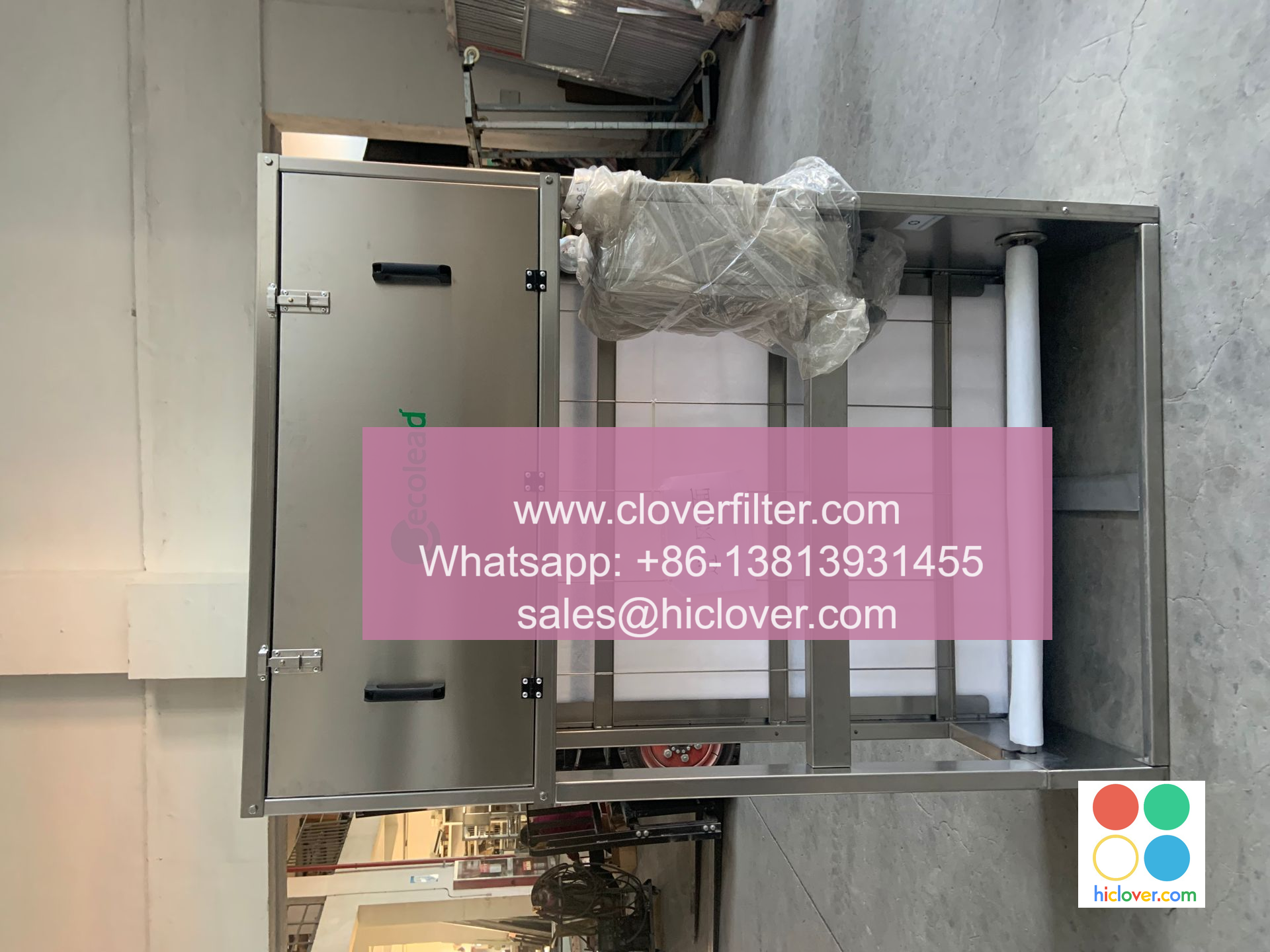
Advanced air filter systems have become an essential component in maintaining good indoor air quality, particularly in the context of heating, ventilation, and air conditioning (HVAC) systems. These cutting-edge systems are designed to capture a wide range of pollutants, including particulate matter (PM), volatile organic compounds (VOCs), and other airborne contaminants, thereby ensuring a healthier environment for occupants. In this review, we will delve into the features, benefits, and various application areas of advanced air filter systems.
Key Features and Benefits
Advanced air filter systems boast several key features that set them apart from traditional air filtration systems. Some of these features include:
– High-efficiency particulate air (HEPA) filters that can capture 99.97% of particles as small as 0.3 microns
– Activated carbon filters that can effectively remove VOCs, odors, and gases
– UV-C light technology that can inactivate bacteria, viruses, and other microorganisms
– Smart sensors and monitoring systems that can detect and respond to changes in indoor air quality
These features translate into several benefits, including:
– Improved indoor air quality
– Reduced risk of airborne diseases and allergies
– Enhanced comfort and productivity
– Increased energy efficiency and cost savings
Application Areas
Advanced air filter systems have a wide range of application areas, including:
– Commercial buildings, such as offices, hospitals, and hotels
– Industrial facilities, such as manufacturing plants and warehouses
– Residential homes, particularly those with central air conditioning and heating systems
– Transportation systems, including airplanes, trains, and buses
– Healthcare facilities, where infection control and air quality are critical
In each of these application areas, advanced air filter systems can play a vital role in maintaining good indoor air quality, improving occupant health and comfort, and reducing the risk of airborne diseases.
Case Studies and Examples
Several case studies and examples illustrate the effectiveness of advanced air filter systems in various settings. For instance:
– A hospital in the United States installed an advanced air filter system in its operating rooms, resulting in a significant reduction in surgical site infections
– A manufacturing plant in Europe implemented an advanced air filter system to remove VOCs and particulate matter from the air, improving worker health and productivity
– A residential home in Asia installed an advanced air filter system to remove pollen and other allergens from the air, improving the health and comfort of its occupants
These case studies and examples demonstrate the potential of advanced air filter systems to improve indoor air quality and occupant health in a wide range of settings.

Conclusion
In conclusion, advanced air filter systems are a crucial component in maintaining good indoor air quality, particularly in the context of HVAC systems. With their high-efficiency filters, activated carbon, and UV-C light technology, these systems can capture a wide range of pollutants, including particulate matter, VOCs, and other airborne contaminants. Their application areas are diverse, ranging from commercial buildings and industrial facilities to residential homes and healthcare facilities. As the demand for good indoor air quality continues to grow, advanced air filter systems are likely to play an increasingly important role in maintaining healthy and comfortable environments for occupants. Prompt
