Pros and Cons of Activated Carbon Air Filters
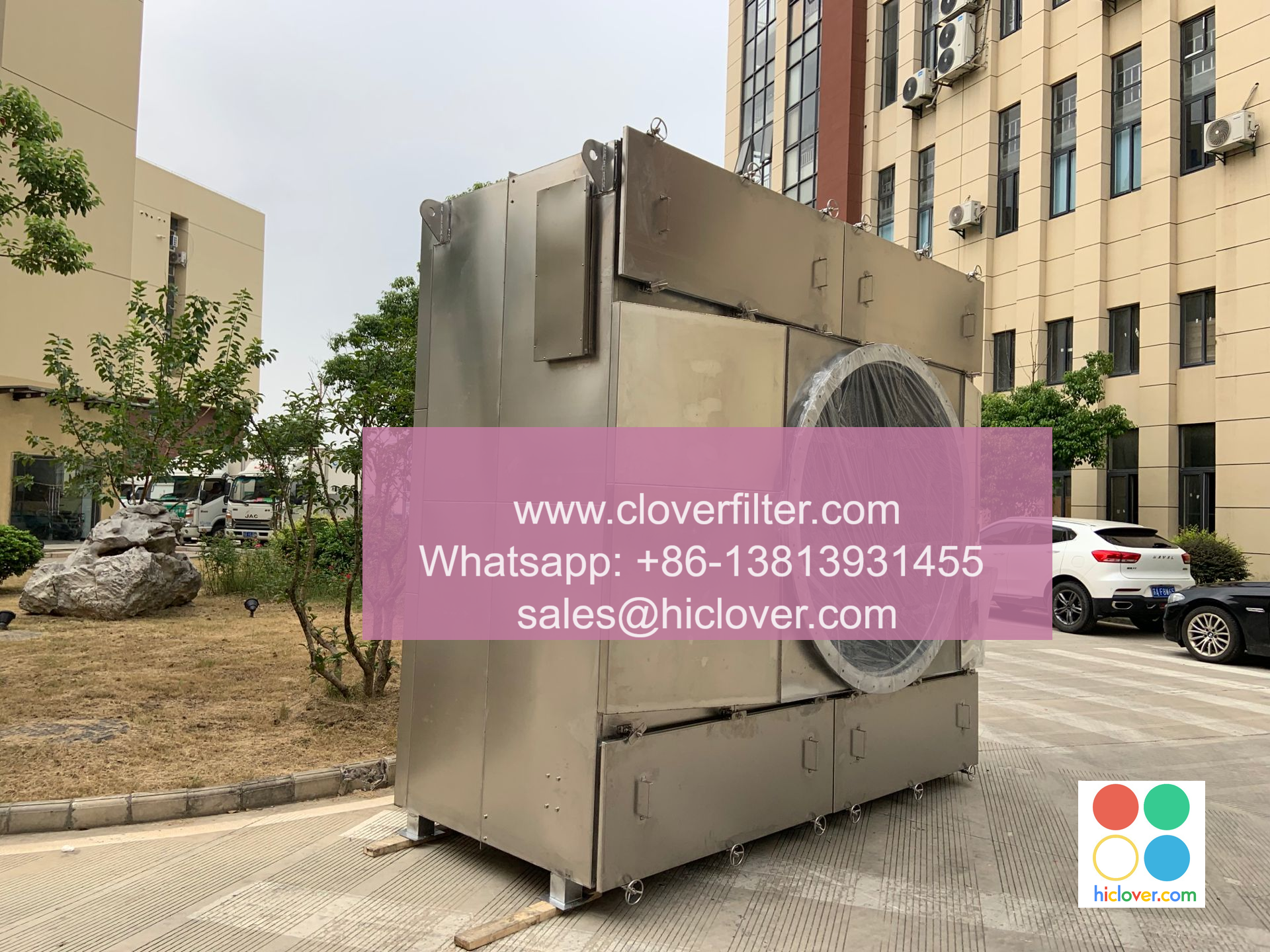
Activated carbon air filters have gained popularity as an effective solution for improving indoor air quality. They utilize activated carbon, a porous material that can absorb various contaminants and odors. While they provide significant benefits, there are also some limitations to consider. In this article, we’ll explore the pros and cons of activated carbon air filters, along with various application areas where they can be used.
What are Activated Carbon Air Filters?

Activated carbon air filters are designed to remove pollutants from the air we breathe. They feature a layer of activated carbon that traps contaminants such as VOCs (volatile organic compounds), smoke, pet dander, and other odors, making them common choices for residential and commercial air quality improvement.
Pros of Activated Carbon Air Filters
1. Highly Effective Odor Removal
One of the primary advantages of activated carbon filters is their ability to absorb and eliminate unpleasant odors. This makes them popular in homes with pets, kitchens, and places where smoke is prevalent.
2. Reduces VOCs and Harmful Chemicals
Activated carbon filters can effectively capture VOCs and other harmful chemicals found in everyday products, contributing to better indoor air quality.

3. Versatile Applications
These filters can be used in various settings, including:
- Residential Areas: Home air purifiers, HVAC systems.
- Commercial Spaces: Offices, restaurants, and retail stores.
- Industrial Use: Chemical plants and manufacturing facilities.
- Specialized Applications: Laboratories and medical facilities.
4. Environmentally Friendly Option
Many activated carbon filters are made from natural materials and can be reactivated or recycled, reducing environmental impact compared to some synthetic air filters.
Cons of Activated Carbon Air Filters
1. Limited Particle Filtration
While effective against odors and gases, activated carbon filters are not ideal for capturing larger particles like dust, pollen, or mold. It’s often recommended to combine them with HEPA filters for comprehensive air cleaning.
2. Requires Regular Replacement
Activated carbon filters have a limited lifespan and must be replaced periodically. Failure to do so may result in reduced effectiveness and potential re-emission of captured contaminants.
3. Initial Cost Considerations
Depending on the quality and type of air purifying system, activated carbon filters can be more expensive upfront compared to standard air filters. However, many users find the investment worthwhile for the health benefits they provide.
4. Absorption Capacity Limitations
Every activated carbon filter has a maximum absorption capacity. Once saturated, the filter becomes ineffective, necessitating timely replacements to maintain air quality.
Conclusion
Activated carbon air filters are an effective solution for managing indoor air quality, particularly concerning odors and harmful chemicals. Their versatility makes them suitable for a wide range of applications, from residential homes to industrial settings. However, it’s essential to consider their limitations and potentially use them in conjunction with other air filtration technologies for the best results. By weighing the pros and cons of activated carbon air filters, consumers can make informed decisions that positively impact their health and environment.
It seems like you’re looking for a prompt, but I need a bit more context to provide you with something useful. Could you specify what type of prompt you’re interested in? For example, are you looking for a writing prompt, a discussion prompt, or something related to a specific topic or genre? Let me know, and I’ll be happy to help!
