Protecting Pharmaceutical Products: The Importance of Air Quality Control
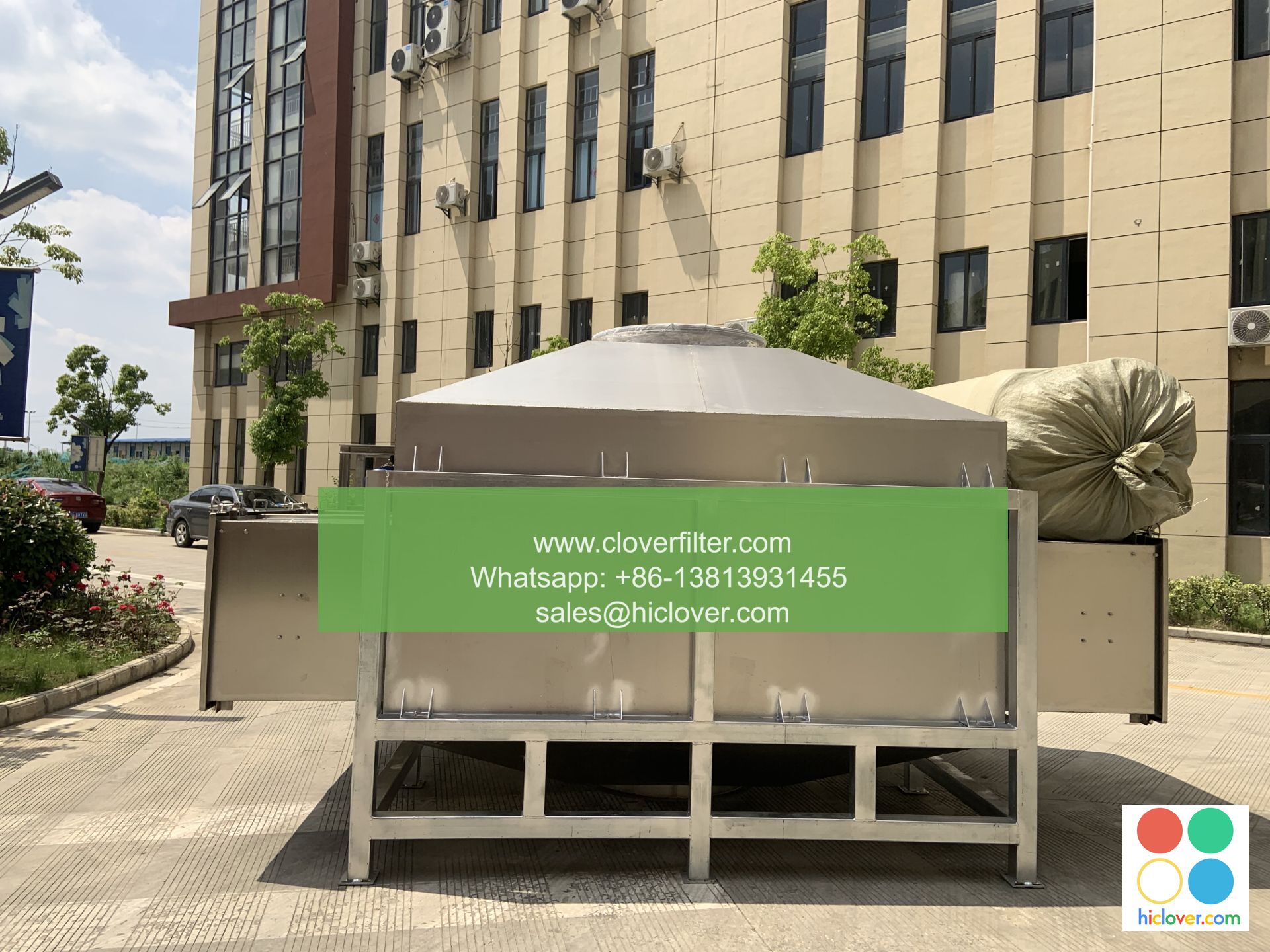
The pharmaceutical industry plays a critical role in healthcare, producing an array of products that are essential for patient treatment and disease management. However, the integrity and efficacy of these pharmaceutical products can be compromised by environmental factors, particularly air quality. This article delves into the significance of air quality control in safeguarding pharmaceutical products, the technologies involved, and its diverse application areas.
The Critical Role of Air Quality in Pharmaceuticals

Pharmaceutical products are highly sensitive to environmental conditions. Contaminants, pollutants, and variations in temperature and humidity can adversely affect active ingredients, leading to reduced efficacy and safety. Therefore, maintaining optimal air quality is not just a regulatory requirement but a fundamental aspect of pharmaceutical production and storage.
Key Air Quality Concerns
- Particulate Matter: Dust and other particulates can contaminate sterile products, making air filtration systems essential.
- Microbial Levels: The presence of bacteria, fungi, and molds must be strictly controlled to prevent product spoilage.
- Volatile Organic Compounds (VOCs): Chemicals emitted as gases can have serious implications for product stability.
Technological Solutions for Air Quality Control

To mitigate risks associated with poor air quality, various technologies have been developed and implemented throughout the pharmaceutical industry. Some of the most notable air quality control measures include:
HEPA Filters
High-Efficiency Particulate Air (HEPA) filters are essential in cleanrooms, helping to remove at least 99.97% of airborne particles, including dust, pollen, and microorganisms. These filters are critical in ensuring a controlled environment during the manufacturing and packaging of pharmaceuticals.
Environmental Monitoring Systems
Advanced environmental monitoring systems continuously assess air quality parameters such as dust levels, temperature, and humidity. Real-time data analytics allow for immediate remedial actions, ensuring ongoing compliance with Good Manufacturing Practices (GMP).
Controlled Environment Systems
Advanced HVAC systems play a crucial role in regulating air quality. They maintain precise temperature and humidity levels while ensuring that airborne particles are filtered out, resulting in an environment that supports the integrity of pharmaceutical products.
Application Areas of Air Quality Control in Pharmaceuticals
The application of air quality control extends throughout various segments of the pharmaceutical industry, including:
Manufacturing Facilities
In manufacturing plants, air quality control systems protect the production of active pharmaceutical ingredients (APIs) and finished products by eradicating contaminants during the manufacturing process.
Laboratories
In R&D laboratories, the stability and effectiveness of new formulations can be adversely affected by air quality, making controlled conditions paramount for accurate testing and analysis.
Storage and Distribution
Air quality control measures are also vital during the storage and transportation phases. Ensuring optimal conditions helps maintain the efficacy of products until they reach healthcare providers and patients.
Conclusion
In conclusion, protecting pharmaceutical products requires diligent air quality control. By leveraging advanced technologies and implementing rigorous monitoring systems, the pharmaceutical industry can ensure the safety, integrity, and efficacy of its products. As the industry evolves, a steadfast commitment to maintaining high air quality standards will be vital for both compliance and patient health.
It seems like you might have intended to provide a specific prompt or request, but it appears to be missing. Could you please provide more details or clarify what you would like assistance with? Thank you!
