Quebec Pharmaceutical Plant Ensures Compliance with Regulatory Standards Using Automatic Roll Air Filters and Other Cleanroom Technologies
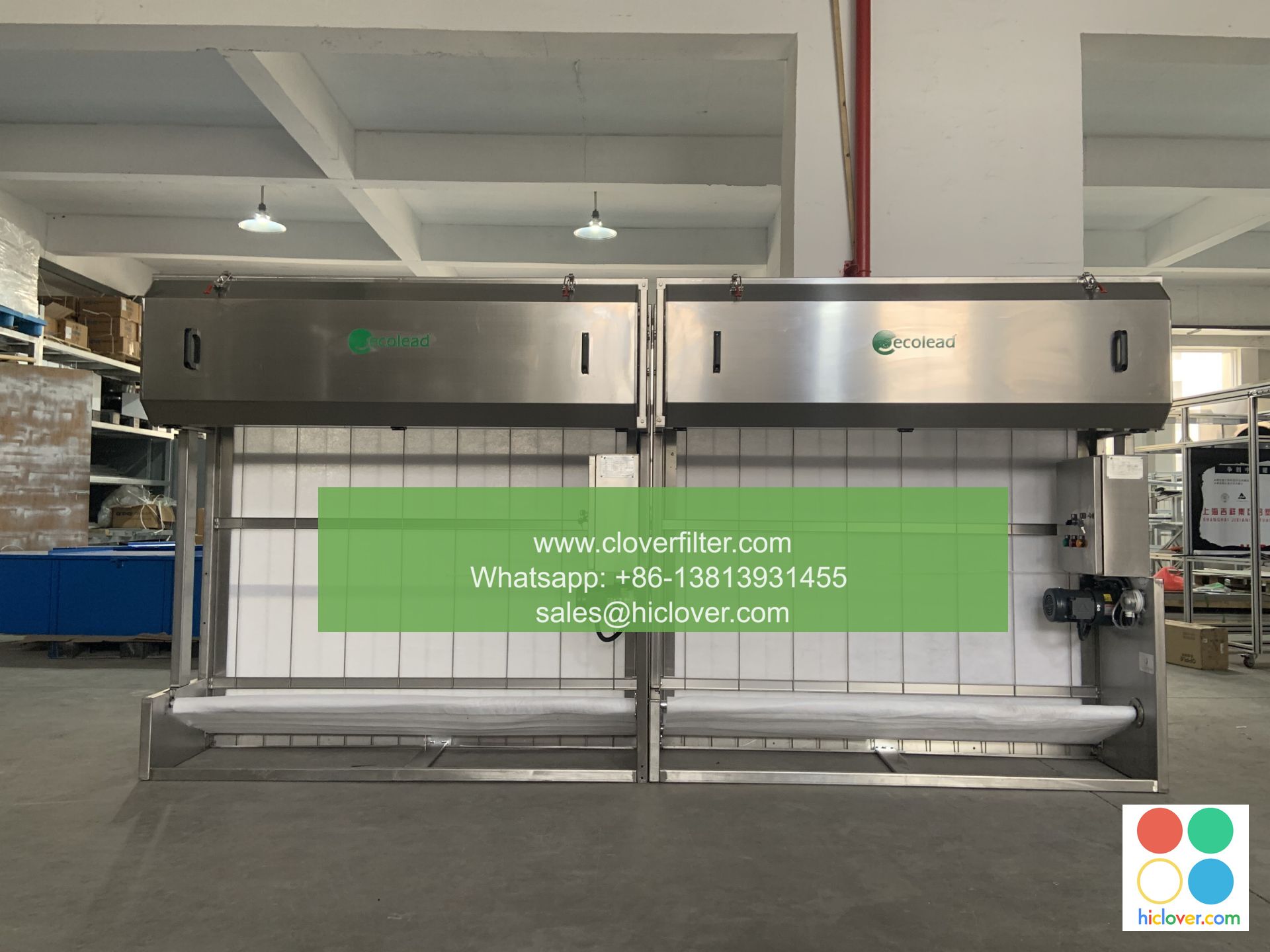
In the highly regulated landscape of pharmaceutical manufacturing, ensuring compliance with local and international regulatory standards is paramount. A significant player in Quebec’s pharmaceutical sector has adopted advanced cleanroom technologies to meet these stringent requirements and maintain a safe production environment. One such crucial element is the implementation of automatic roll air filters.
The Role of Cleanroom Technology

Cleanroom technologies are designed to control environmental contaminants that could impact product safety and efficacy. In a pharmaceutical plant, the cleanroom environment helps prevent particulate contamination during the manufacturing and packaging processes. This compliance is essential not only for meeting Food and Drug Administration (FDA) and Health Canada regulations but also for maintaining product quality and safety.
Automatic Roll Air Filters
Among the various technologies utilized in cleanrooms, automatic roll air filters play a vital role in air quality management. These filters provide a continuous and efficient way to filter out dust, spores, bacteria, and other airborne contaminants. Their automatic nature allows for real-time monitoring and adjustment based on the specific cleanroom requirements, thus ensuring optimal air quality at all times.
Benefits of Automatic Roll Air Filters
- Constant Monitoring: Equipped with sensors, these filters continuously assess air quality, enabling immediate adjustments to maintain optimal conditions.
- Cost Efficiency: Automatic systems reduce energy consumption since they operate only as needed, thus lowering operational costs.
- Enhanced Compliance: Regularly updated data on air quality helps ensure compliance with strict regulatory standards.
- Improved Product Safety: By maintaining a contaminant-free environment, the risk of product contamination is minimized.

Integration with Other Technologies
While automatic roll air filters are a critical component, other cleanroom technologies complement their function. These include laminar flow hoods, ultrafine particle counters, and antimicrobial surfaces. Together, these technologies create a holistic approach to cleanroom management, further enhancing compliance and operational efficiency within the pharmaceutical plant.
Training and Protocols
To ensure that all personnel understand the importance of cleanroom technologies and adhere to established protocols, regular training sessions are conducted. Employees are trained on the functioning of the automatic air filters, proper gowning procedures, and contamination prevention best practices. This investment in employee education reinforces the importance of maintaining a compliant and safe production environment.
Conclusion
As the pharmaceutical industry increasingly prioritizes compliance with regulatory standards, the adoption of advanced cleanroom technologies becomes essential. The Quebec pharmaceutical plant’s investment in automatic roll air filters and other cleanroom technologies underscores its commitment to producing safe and effective products. Maintaining stringent cleanroom standards not only ensures compliance with regulations but also enhances overall product quality, ultimately benefiting both the industry and consumers alike.
FAQs
What are cleanroom standards in pharmaceutical manufacturing?
Cleanroom standards refer to the guidelines that govern the acceptable levels of airborne particles and contaminants in controlled environments, ensuring the safety and efficacy of pharmaceutical products.
How do automatic roll air filters work?
Automatic roll air filters continuously monitor air quality by using built-in sensors to adjust filtration systems in real-time as needed, thereby maintaining a clean and safe environment.
Why is training important in a pharmaceutical cleanroom?
Training is crucial for cleanroom personnel to understand contamination risks, proper protocols, and the functioning of technologies in place, ultimately ensuring compliance and product safety.
Are there other technologies besides air filters used in cleanrooms?
Yes, in addition to air filters, cleanrooms often employ laminar flow hoods, ionization, UV disinfection systems, and antimicrobial materials to ensure a contamination-free environment.
