Quebec Pharmaceutical Plant Experiences Reduced Contamination Risk with Automatic Roll Air Filter System
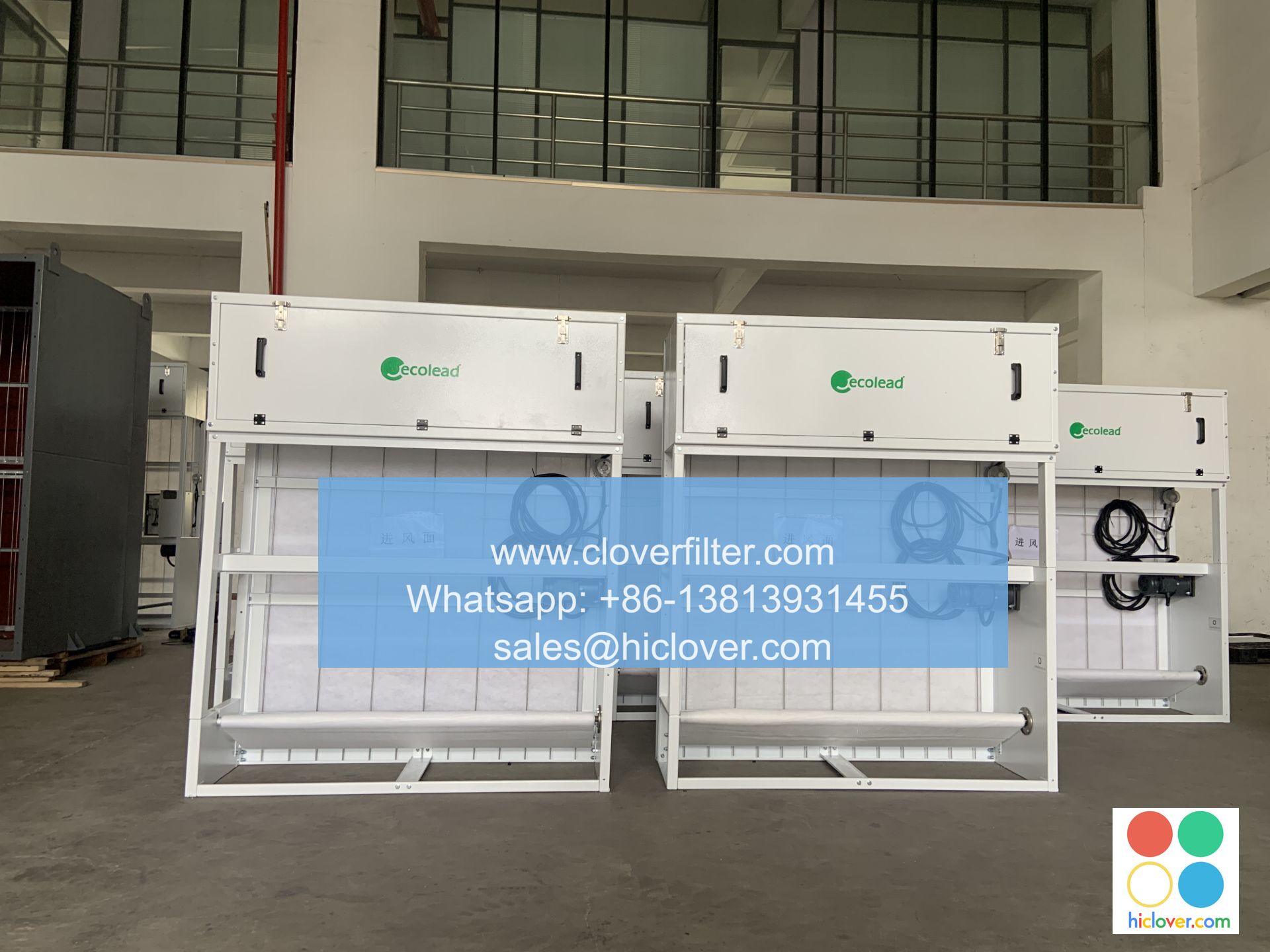
The pharmaceutical industry operates under strict regulations to ensure the safety and efficacy of its products. Contamination can lead to costly recalls, legal ramifications, and, most importantly, it can jeopardize patient safety. In light of these challenges, a pharmaceutical plant in Quebec has taken significant strides in reducing contamination risk through the implementation of an Automatic Roll Air Filter System. This innovative technology enhances air quality and ensures a safer working environment, paving the way for improved productivity and compliance.
The Challenges of Air Quality in Pharmaceutical Manufacturing

In any pharmaceutical manufacturing facility, maintaining cleanroom standards is paramount. Environmental contaminants such as particulate matter, microbial contamination, and volatile organic compounds pose serious risks. Traditional air filtration systems, while effective, often require manual monitoring and frequent maintenance, leading to inefficiencies and potential lapses in air quality control.
Introducing the Automatic Roll Air Filter System
The Automatic Roll Air Filter System integrates advanced filtration technology that automatically adjusts to changing conditions inside the facility. Utilizing a series of high-efficiency particulate air (HEPA) filters, it continuously removes airborne particulates and pathogens from the environment. The system’s roll mechanism replaces filters seamlessly, ensuring uninterrupted airflow and superior protection against contamination.
Benefits of the System
1. Enhanced Air Quality: The automatic system ensures that filters are consistently maintained, reducing the risk of contamination and providing a cleaner environment for manufacturing.

2. Operational Efficiency: Automation eliminates the need for manual filter changes, reducing downtime and labor costs associated with maintenance.
3. Compliance Assurance: The system’s continuous monitoring meets regulatory standards set by health authorities, making audits and inspections easier to manage.
4. Reduced Risks: With improved air quality, the risk of contamination-related issues declines, increasing overall product quality and safety.
Implementation and Results
Prior to the implementation of the Automatic Roll Air Filter System, the Quebec plant faced recurrent challenges with air quality and contamination control. Following its installation, the facility saw remarkable improvements in both air quality metrics and production efficiency. Regular monitoring demonstrates a significant reduction in airborne contaminants and an increase in compliance with cleanroom standards. Employees report a more stable working environment, leading to heightened morale and productivity.
Conclusion
The adoption of the Automatic Roll Air Filter System represents a transformative approach to contamination control in the pharmaceutical industry. By prioritizing air quality, pharmaceutical manufacturers can not only ensure regulatory compliance but also enhance the overall safety and efficacy of their products. As the industry continues to evolve, innovations like these will be critical in addressing the growing demands for higher standards and improved operational practices.
FAQs
What is an Automatic Roll Air Filter System?
An Automatic Roll Air Filter System is an advanced air filtration solution designed to maintain cleanroom environments by automatically replacing filters and continuously monitoring air quality.
How does this system improve air quality?
The system utilizes HEPA filters that remove airborne contaminants, automatically adjusts to changing conditions, and ensures continuous airflow without interruptions.
What kind of regulatory compliance can this system help with?
The implementation of the system helps ensure compliance with regulations from health authorities regarding air quality standards in manufacturing facilities.
How has employee satisfaction been affected by the new system?
Employees have reported improved working conditions and morale due to the enhanced air quality and reduced risk of contamination, leading to more productive work environments.
