Quebec Pharmaceutical Plant Implements Automatic Roll Air Filter System to Meet Regulatory Requirements
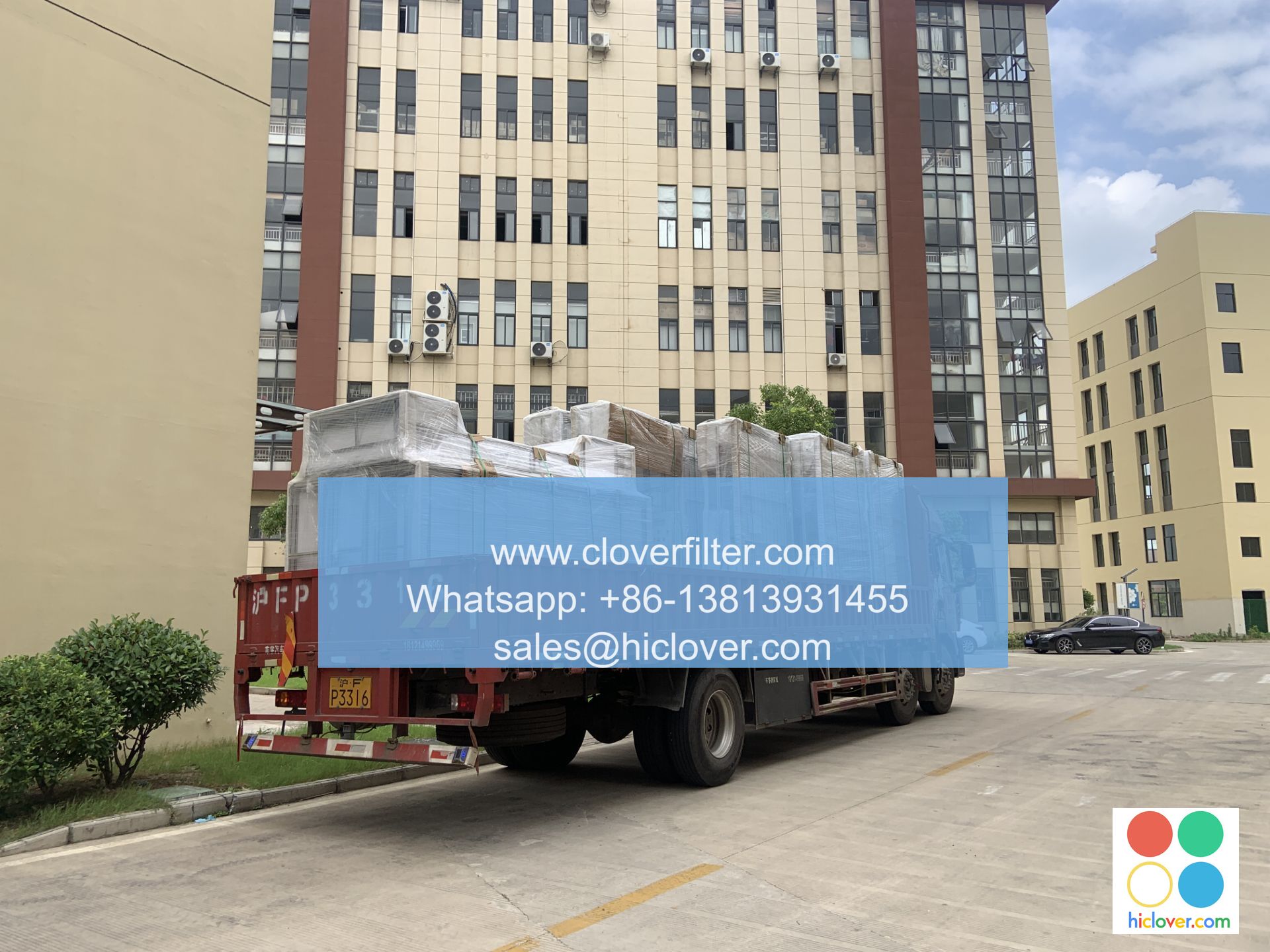
The pharmaceutical industry is one of the most heavily regulated industries in the world, with strict guidelines and standards that must be met to ensure the quality and safety of products. In Quebec, a pharmaceutical plant recently implemented an automatic roll air filter system to meet regulatory requirements and improve the overall efficiency of their operations. This system is designed to provide a continuous supply of clean air, which is essential for the production of pharmaceuticals.
The pharmaceutical plant in question produces a wide range of products, including tablets, capsules, and injectables. The production process involves various stages, including mixing, granulation, and packaging, all of which require a clean and controlled environment. The plant’s previous air filtration system was manual, which meant that filters had to be changed regularly, resulting in downtime and increased labor costs. The new automatic roll air filter system has eliminated the need for manual filter changes, reducing downtime and increasing productivity.

The automatic roll air filter system is designed to provide a continuous supply of clean air, with a filtration efficiency of 99.97% at 0.3 microns. The system uses a roll of filter media that is automatically advanced as the filter becomes dirty, ensuring that the air supply remains clean and consistent. The system also includes a differential pressure gauge, which monitors the pressure drop across the filter and alerts operators when the filter needs to be changed. This ensures that the system is always operating within regulatory requirements.
The implementation of the automatic roll air filter system has had a significant impact on the pharmaceutical plant’s operations. The system has reduced downtime by 50%, resulting in increased productivity and lower labor costs. The system has also improved the overall quality of the air supply, which has resulted in a reduction in particle counts and an improvement in product quality. The plant’s regulatory compliance has also improved, with the system providing a continuous record of filter performance and maintenance.
The automatic roll air filter system has also provided the pharmaceutical plant with a number of other benefits, including reduced energy consumption and lower maintenance costs. The system is designed to be energy efficient, with a low power consumption and a long filter life. The system also includes a number of features that make it easy to maintain, including a simple and intuitive control system and a modular design that allows for easy replacement of parts.
In addition to the benefits mentioned above, the automatic roll air filter system has also improved the working conditions for the plant’s employees. The system provides a clean and healthy working environment, with a significant reduction in airborne particles and contaminants. This has resulted in a reduction in employee absenteeism and an improvement in overall job satisfaction.
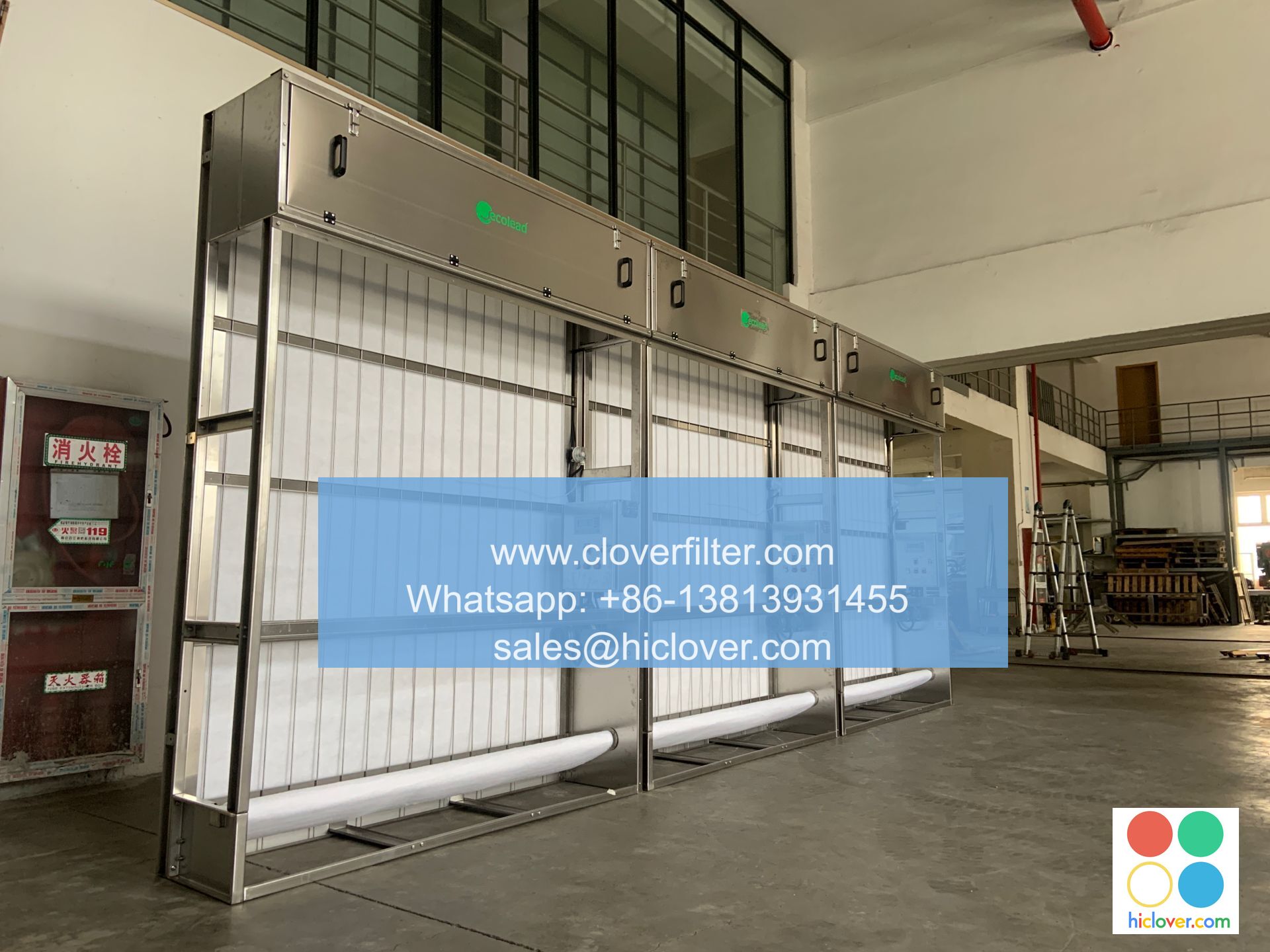
The implementation of the automatic roll air filter system is also expected to have a positive impact on the plant’s bottom line. The system is expected to pay for itself within a short period of time, through reduced energy consumption, lower maintenance costs, and increased productivity. The system will also provide the plant with a competitive advantage, by allowing them to produce high-quality products that meet the strictest regulatory requirements.
In conclusion, the implementation of the automatic roll air filter system at the Quebec pharmaceutical plant has been a significant success. The system has improved the plant’s regulatory compliance, reduced downtime and labor costs, and improved the overall quality of the air supply. The system has also provided a number of other benefits, including reduced energy consumption, lower maintenance costs, and improved working conditions for employees. As the pharmaceutical industry continues to evolve and become more heavily regulated, the use of automatic roll air filter systems is likely to become more widespread.
Conclusion
The automatic roll air filter system is a valuable tool for pharmaceutical plants that need to meet strict regulatory requirements. The system provides a continuous supply of clean air, which is essential for the production of high-quality pharmaceuticals. The system is also energy efficient, easy to maintain, and provides a number of other benefits, including reduced downtime and labor costs, and improved working conditions for employees. As the pharmaceutical industry continues to evolve, the use of automatic roll air filter systems is likely to become more widespread.
FAQs
Q: What is an automatic roll air filter system?
A: An automatic roll air filter system is a type of air filtration system that uses a roll of filter media to provide a continuous supply of clean air. The system is designed to automatically advance the filter media as it becomes dirty, ensuring that the air supply remains clean and consistent.
Q: What are the benefits of an automatic roll air filter system?
A: The benefits of an automatic roll air filter system include reduced downtime and labor costs, improved air quality, and increased regulatory compliance. The system is also energy efficient, easy to maintain, and provides a number of other benefits, including improved working conditions for employees.
Q: How does an automatic roll air filter system work?
A: An automatic roll air filter system works by using a roll of filter media to capture airborne particles and contaminants. The system automatically advances the filter media as it becomes dirty, ensuring that the air supply remains clean and consistent. The system also includes a differential pressure gauge, which monitors the pressure drop across the filter and alerts operators when the filter needs to be changed.
Q: Is an automatic roll air filter system suitable for all types of pharmaceutical plants?
A: Yes, an automatic roll air filter system is suitable for all types of pharmaceutical plants, including those that produce tablets, capsules, and injectables. The system is designed to provide a continuous supply of clean air, which is essential for the production of high-quality pharmaceuticals.
