Quebec Pharmaceutical Plant Improves Indoor Air Quality with Automatic Roll Air Filter System and Other Cleanroom Technologies
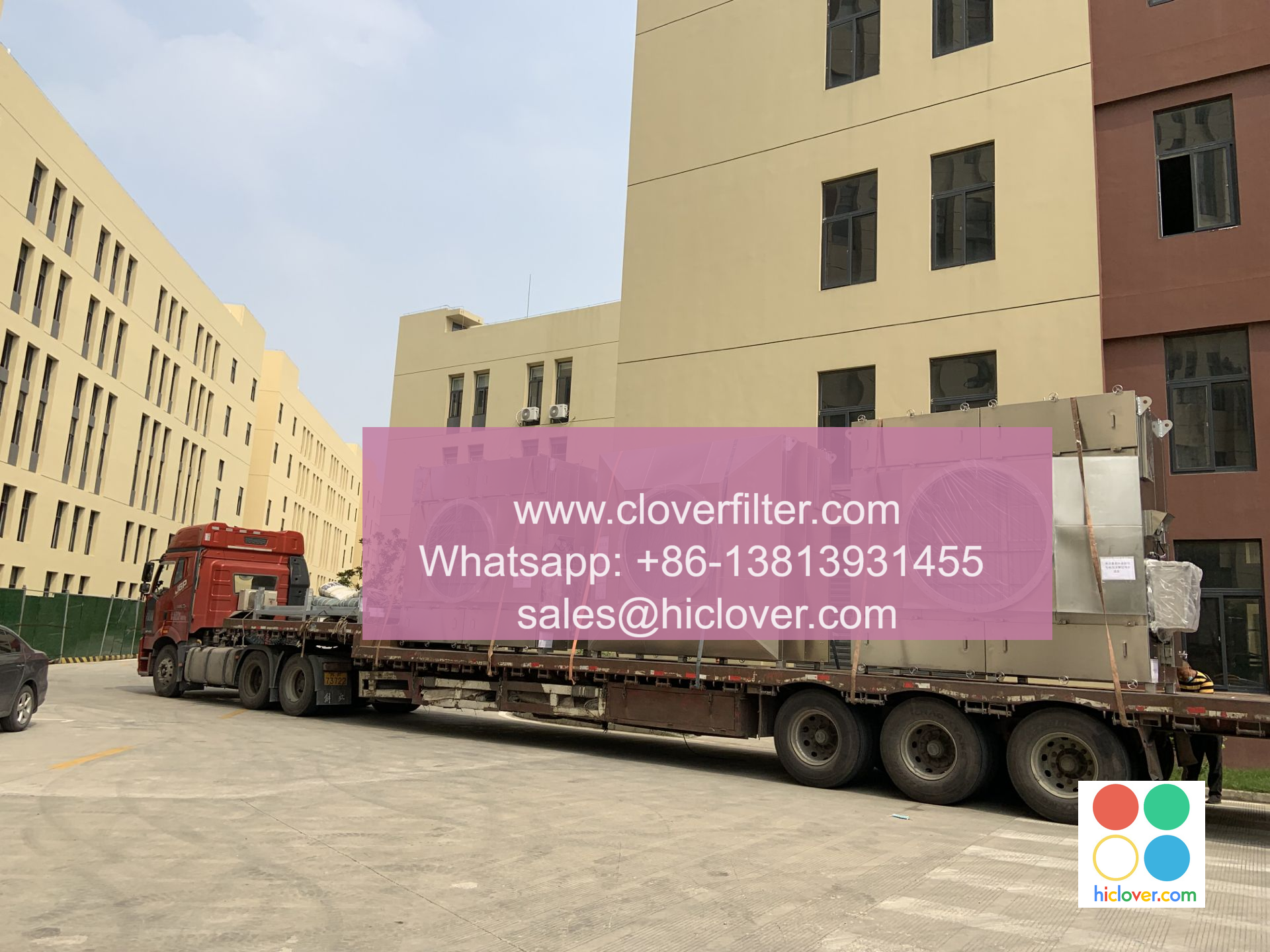
The pharmaceutical industry is known for its stringent regulations and the necessity for a cleanroom environment to protect products from contamination. Recently, a pharmaceutical plant located in Quebec has made significant strides in improving its indoor air quality through the implementation of an automatic roll air filter system and various cleanroom technologies. These advancements not only enhance the working conditions for employees but also ensure the integrity of pharmaceutical products manufactured in the facility.
Understanding Indoor Air Quality in Pharmaceutical Manufacturing
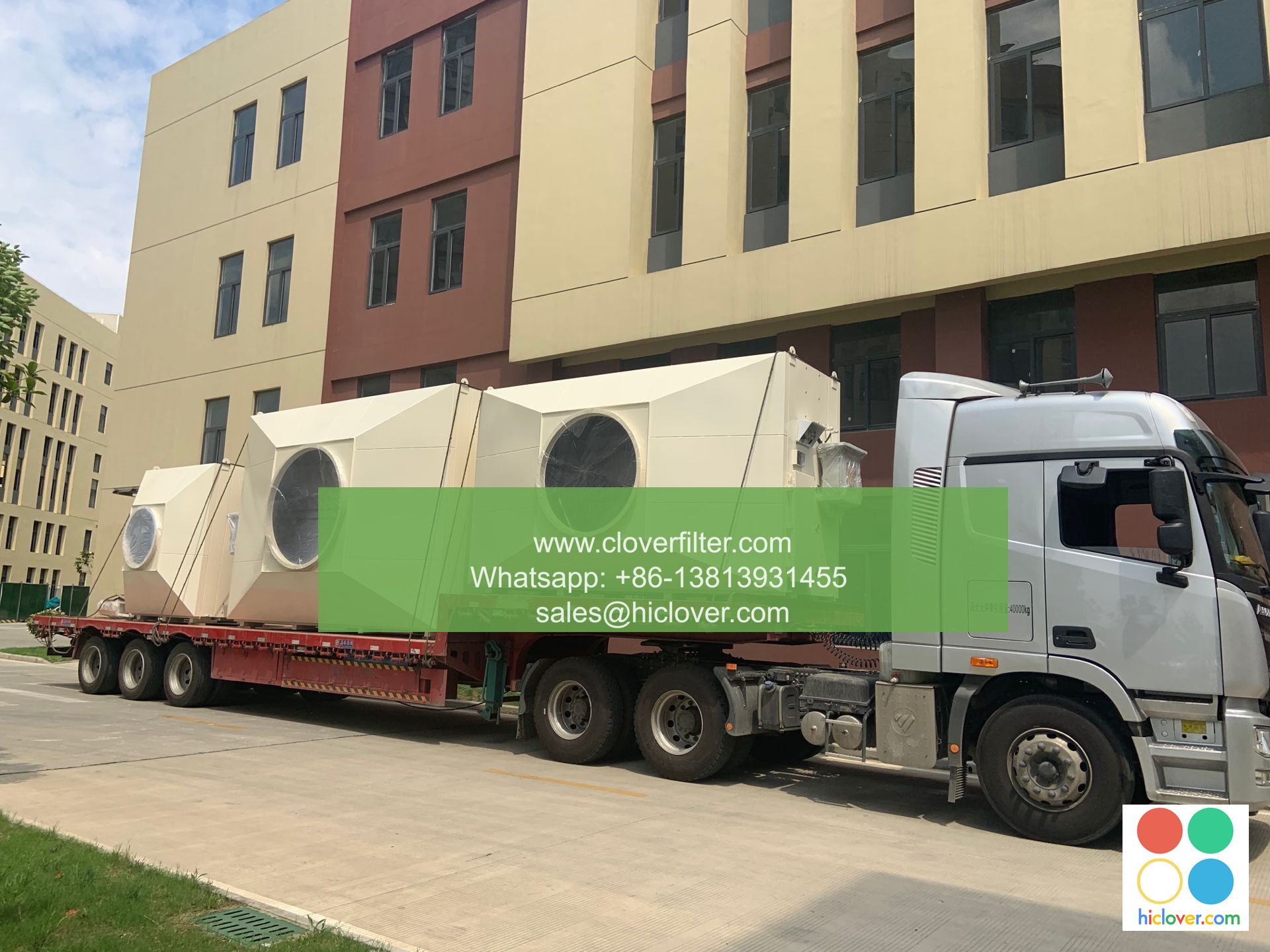
Indoor air quality (IAQ) is a critical factor in pharmaceutical manufacturing, where even the smallest contaminant can compromise the product’s efficacy and safety. Thus, maintaining a sterile environment is essential. Poor indoor air quality can lead to health issues for workers and can also result in costly production errors. To combat these challenges, the Quebec plant focused on sourcing and implementing innovative cleanroom technologies, starting with an advanced air filtration system.
The Automatic Roll Air Filter System
The automatic roll air filter system is a groundbreaking addition to the Quebec pharmaceutical plant’s infrastructure. It is designed to deliver high-efficiency particulate air (HEPA) filtration, which can capture 99.97% of particles as small as 0.3 microns. This is crucial for maintaining a cleanroom environment, as it helps remove dust, bacteria, and other contaminants from the air.
This system features a self-cleaning mechanism that allows for significant reductions in maintenance costs and time, ensuring that the air quality remains consistently high without requiring constant manual intervention. Furthermore, the automation minimizes human error in the upkeep of filtration systems, which can be vital in a sector where precision is paramount.
Other Cleanroom Technologies
In addition to the automatic roll air filter system, the Quebec plant has adopted several other cleanroom technologies to improve overall air quality and operational efficiency. These include:
- Ultraviolet (UV) Light Sterilization: This technology uses UV light to disinfect air and surfaces, providing an additional layer of protection against microbial contamination.
- Controlled Environmental Monitoring: Sensors placed throughout the facility monitor temperature, humidity, and particulate counts, allowing for real-time adjustments to maintain optimal cleanroom conditions.
- Positive Pressure Systems: These systems ensure that the cleanroom remains at a higher pressure than surrounding areas, thus preventing contaminants from entering the facility.
Benefits of Improved Air Quality
Improving indoor air quality through these technologies comes with a plethora of benefits. Not only does it enhance the health and safety of both employees and products, but it also boosts productivity. Workers can operate in a less stressful, cleaner environment, leading to improved morale and efficiency. Moreover, compliance with regulatory standards becomes much easier, which can significantly enhance the company’s reputation within the pharmaceutical industry.
Conclusion
The investments made by the Quebec pharmaceutical plant in automatic roll air filter systems and other cleanroom technologies demonstrate a steadfast commitment to quality and safety. By prioritizing indoor air quality, the facility is not only enhancing operational efficiency but also protecting its workforce and ensuring the integrity of its products. As the pharmaceutical industry continues to evolve, adopting advanced technologies will remain essential for success.
FAQs
1. What is an automatic roll air filter system?
An automatic roll air filter system is a filtration system that automatically adjusts and maintains air quality in a cleanroom by using high-efficiency filters and a self-cleaning mechanism.
2. Why is indoor air quality important in pharmaceutical manufacturing?
Indoor air quality is critical in pharmaceutical manufacturing because contaminants can affect product quality and safety, potentially leading to health risks for consumers and regulatory violations.
3. How does UV light sterilization work?
UV light sterilization uses ultraviolet light to disrupt the DNA of microorganisms, effectively killing or inactivating them, thus reducing contamination risks within cleanroom environments.
