Quebec Pharmaceutical Plant Invests in Automatic Roll Air Filter Technology for Improved Air Quality
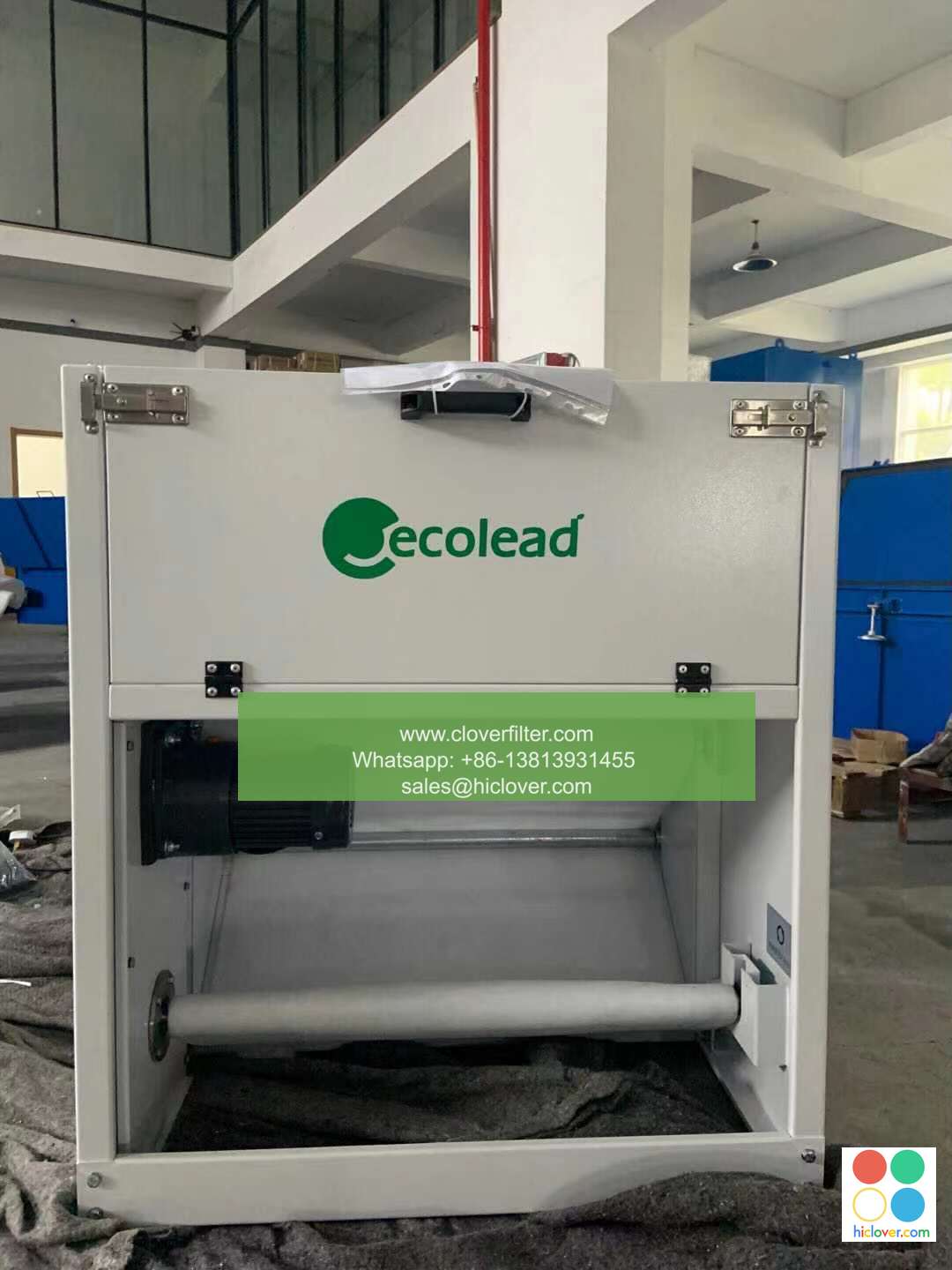
The pharmaceutical industry in Quebec is at the forefront of innovation, especially in areas that directly impact the health and safety of workers and consumers. Recently, a notable Quebec pharmaceutical plant announced a significant investment in automatic roll air filter technology. This state-of-the-art system aims to enhance air quality within the plant, ensuring that manufacturing processes adhere to the highest industry standards for cleanliness and safety.
Understanding Air Quality in Pharmaceutical Manufacturing
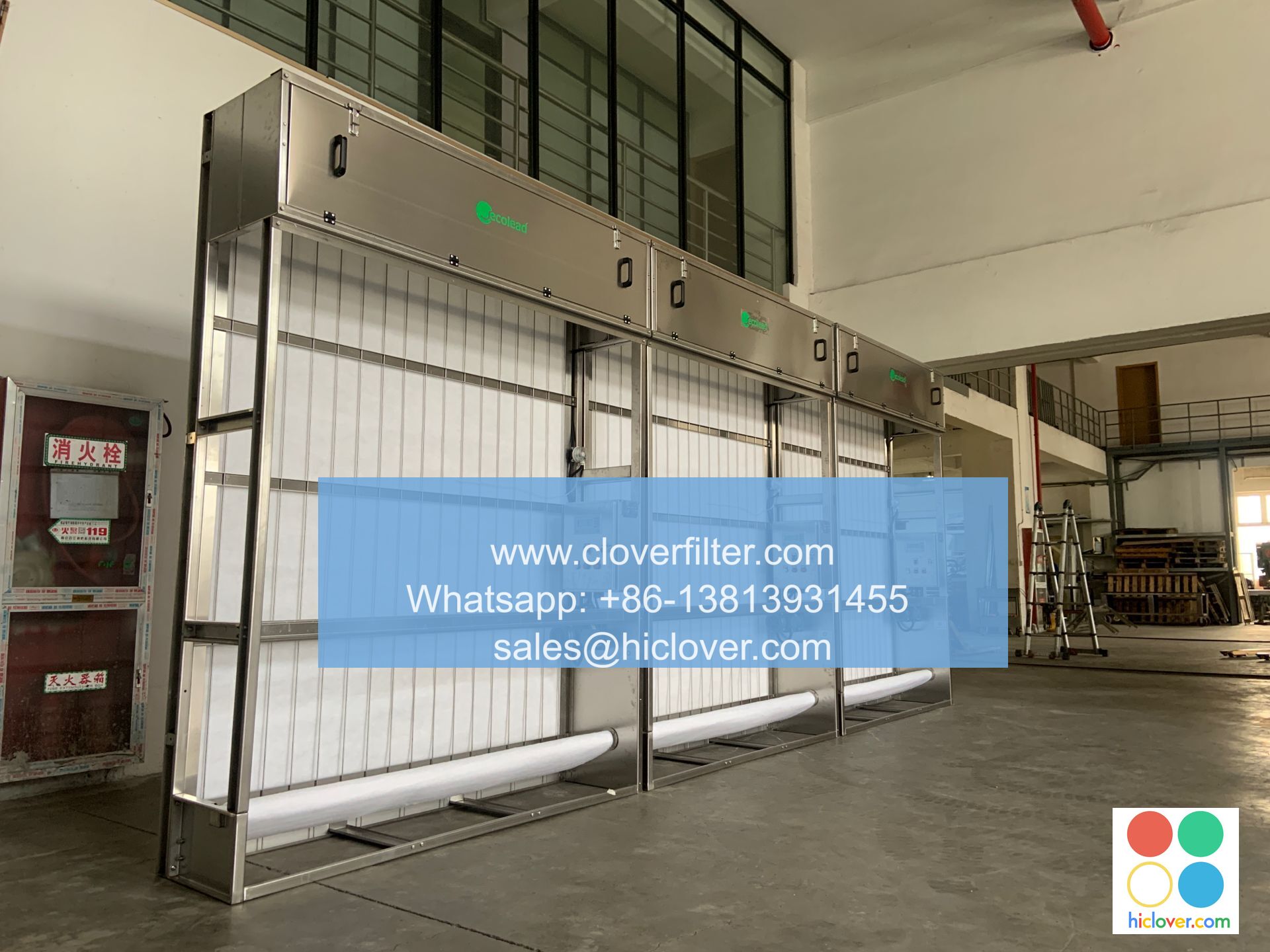
Maintaining superior air quality is crucial in the pharmaceutical sector due to the sensitive nature of drug formulation and manufacturing. Airborne contaminants can severely compromise product integrity and pose risks to employee health. Therefore, it is essential for pharmaceutical companies to implement advanced air filtration systems to minimize particulate matter and airborne pollutants.
The Benefits of Automatic Roll Air Filter Technology
Automatic roll air filter technology offers several advantages over traditional air filtration systems:
- Efficiency: This technology automates the filtration process, making it more efficient in capturing dust, allergens, and other harmful particles.
- Cost-Effectiveness: The new air filtration system reduces operational costs by optimizing energy consumption and minimizing the need for manual maintenance.
- Improved Air Quality: By providing a continuous flow of clean air, this technology significantly enhances air quality, which is essential for pharmaceutical production.
- Ease of Integration: The technology can be easily integrated with existing HVAC systems, reducing the need for extensive retrofitting.
- Compliance: Enhanced air quality helps facilities meet stringent regulatory requirements and standards set by health authorities.

Implementation and Impact
The Quebec pharmaceutical plant has initiated a phased implementation of the automatic roll air filter system. Initial trials have shown promising results, including a significant reduction in airborne particles and improved air circulation throughout the manufacturing area. This investment not only boosts worker morale by creating a healthier workplace but also enhances product quality by mitigating contamination risks.
As a result of this investment, the plant expects to see increased efficiency in production processes and a reduction in product recalls due to air quality-related issues. Additionally, the move aligns with the company’s commitment to sustainability and corporate responsibility, as cleaner air contributes to a healthier environment for both employees and the wider community.
Conclusion
The investment in automatic roll air filter technology marks a transformative step for the Quebec pharmaceutical plant. By prioritizing air quality, the facility not only improves the safety and well-being of its workforce but also elevates its operational standards. As the pharmaceutical industry continues to evolve, such advancements will be critical in ensuring that production processes remain efficient, compliant, and environmentally friendly.
FAQs
What is automatic roll air filter technology?
This technology involves a system of filters that automatically rolls to provide continuous air filtration, ensuring consistent air quality in the manufacturing environment.
How does this technology improve air quality?
It effectively captures dust, allergens, and other harmful particles, resulting in cleaner air and reduced contamination risks in the manufacturing process.
What are the cost implications of implementing this system?
While the initial investment may be substantial, the technology is designed to reduce operational costs over time through energy savings and reduced maintenance requirements.
How does the new system align with regulatory standards?
By enhancing air quality, the automatic roll air filter system helps the facility meet stringent health and safety regulations set by authorities, ensuring compliance in pharmaceutical production.
