Quebec Pharmaceutical Plant Optimizes Air Filtration with Automatic Roll Air Filters
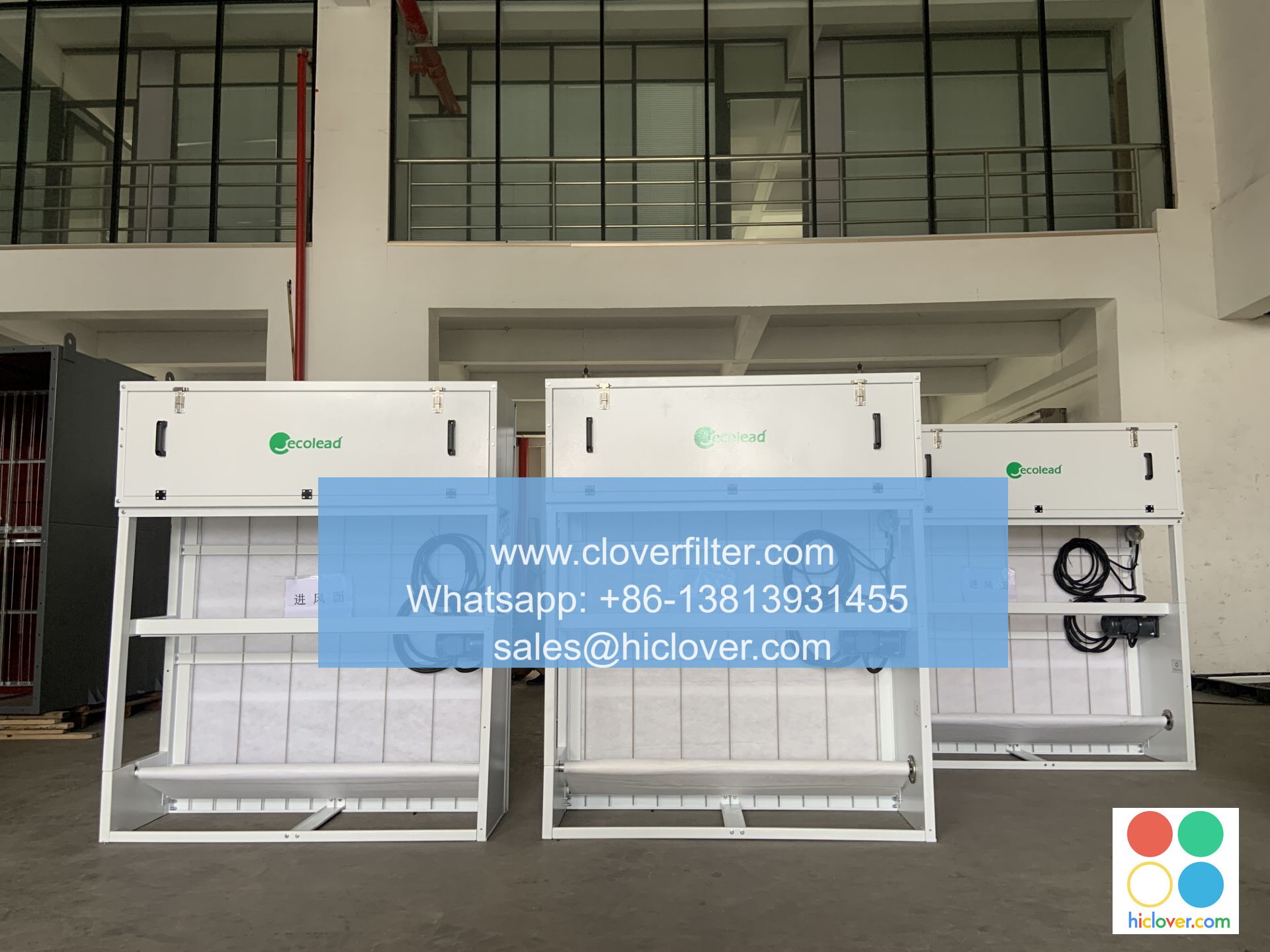
Quebec’s pharmaceutical industry is renowned for its high standards of quality and cleanliness. One of the key factors in maintaining these standards is the use of advanced air filtration systems. Recently, a major pharmaceutical plant in Quebec has taken a significant step towards optimizing its air filtration process by installing automatic roll air filters. This innovative technology has been designed to provide unparalleled levels of air purity, while also reducing maintenance costs and minimizing downtime.
The pharmaceutical plant in question produces a wide range of medicinal products, from tablets and capsules to injectable solutions. The production process involves a series of complex steps, including mixing, packaging, and quality control. At every stage, it is essential to maintain a clean and sterile environment to prevent contamination and ensure the quality of the final product. The plant’s air filtration system plays a critical role in achieving this goal, by removing airborne particles and microorganisms that could potentially compromise the production process.
Prior to the installation of the automatic roll air filters, the plant relied on traditional filter systems that required frequent maintenance and replacement. The old system consisted of a series of static filters that needed to be manually cleaned or replaced every few weeks. This not only resulted in significant downtime but also increased the risk of contamination, as the filters were often handled by maintenance personnel. Furthermore, the old system was unable to provide real-time monitoring of air quality, making it difficult for plant managers to identify and address potential issues before they became major problems.
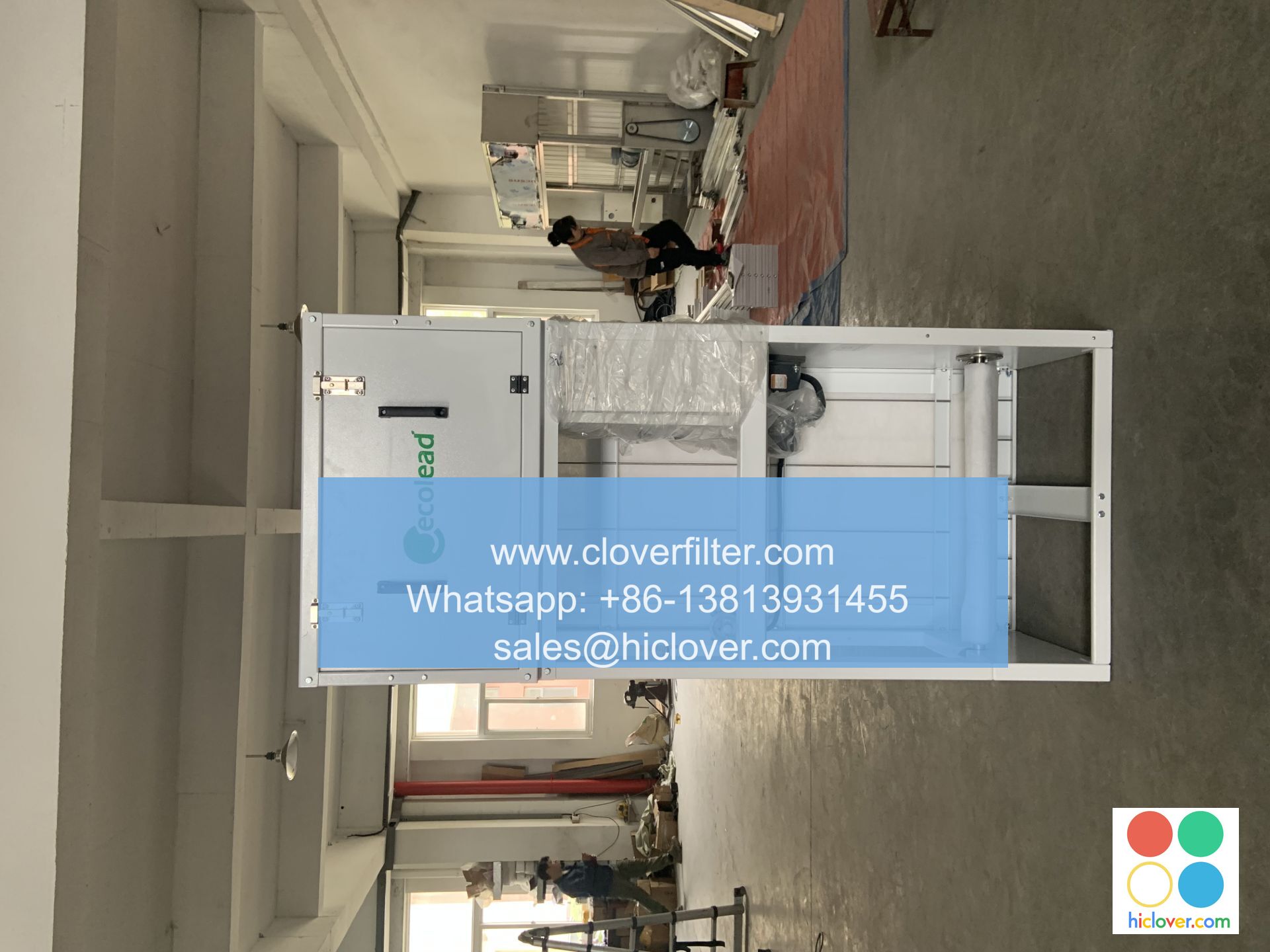
The automatic roll air filters have addressed these issues by providing a continuous and automated filtration process. The system consists of a series of rolls that are coated with a specialized filtering medium. As the air passes through the system, the rolls slowly rotate, exposing a fresh section of filtering medium. This process allows for the continuous removal of airborne particles and microorganisms, without the need for manual intervention. The system also includes advanced sensors that provide real-time monitoring of air quality, enabling plant managers to quickly identify and address any potential issues.
The benefits of the automatic roll air filters have been significant. The plant has reported a substantial reduction in maintenance costs, as the new system requires minimal manual intervention. The risk of contamination has also been greatly reduced, as the filters are no longer handled by maintenance personnel. Perhaps most importantly, the plant has seen a significant improvement in air quality, with particulate levels reduced by as much as 90%. This has resulted in a major improvement in product quality, as well as a reduction in the risk of contamination and recalls.
In addition to the technical benefits, the automatic roll air filters have also provided a significant economic advantage. The reduction in maintenance costs and downtime has resulted in major savings for the plant, while the improvement in product quality has enabled the company to maintain its competitive edge in the pharmaceutical market. The plant has also reported a reduction in energy consumption, as the new system requires less power to operate than the old one.

The implementation of the automatic roll air filters is part of a larger effort by the pharmaceutical plant to optimize its operations and improve its environmental sustainability. The company has set ambitious targets to reduce its energy consumption and greenhouse gas emissions, and the new air filtration system is a key component of this initiative. By investing in cutting-edge technology, the plant is not only improving its own operations but also contributing to a more sustainable future for the pharmaceutical industry as a whole.
Conclusion
The installation of automatic roll air filters at the Quebec pharmaceutical plant has been a major success, providing significant benefits in terms of air quality, maintenance costs, and product quality. The new system has enabled the plant to maintain its high standards of cleanliness and quality, while also reducing its environmental impact. As the pharmaceutical industry continues to evolve and grow, it is likely that we will see more plants adopting similar technologies to optimize their air filtration processes and improve their overall operations.
FAQs
Q: What are automatic roll air filters?
Automatic roll air filters are a type of air filtration system that uses a continuous roll of filtering medium to remove airborne particles and microorganisms. The system is designed to provide real-time monitoring of air quality and minimal manual intervention.
Q: How do automatic roll air filters improve air quality?
Automatic roll air filters improve air quality by providing a continuous and automated filtration process that removes airborne particles and microorganisms. The system also includes advanced sensors that provide real-time monitoring of air quality, enabling plant managers to quickly identify and address any potential issues.
Q: What are the benefits of using automatic roll air filters in a pharmaceutical plant?
The benefits of using automatic roll air filters in a pharmaceutical plant include reduced maintenance costs, improved product quality, and a reduction in the risk of contamination and recalls. The system also provides real-time monitoring of air quality and minimal manual intervention, reducing the risk of human error.
Q: Can automatic roll air filters be used in other industries?
Yes, automatic roll air filters can be used in a variety of industries, including food processing, healthcare, and manufacturing. The system is designed to provide high levels of air quality and can be adapted to meet the specific needs of different industries and applications.
