Quebec Pharmaceutical Plant Upgrades to Automatic Roll Air Filter System for Enhanced Air Quality
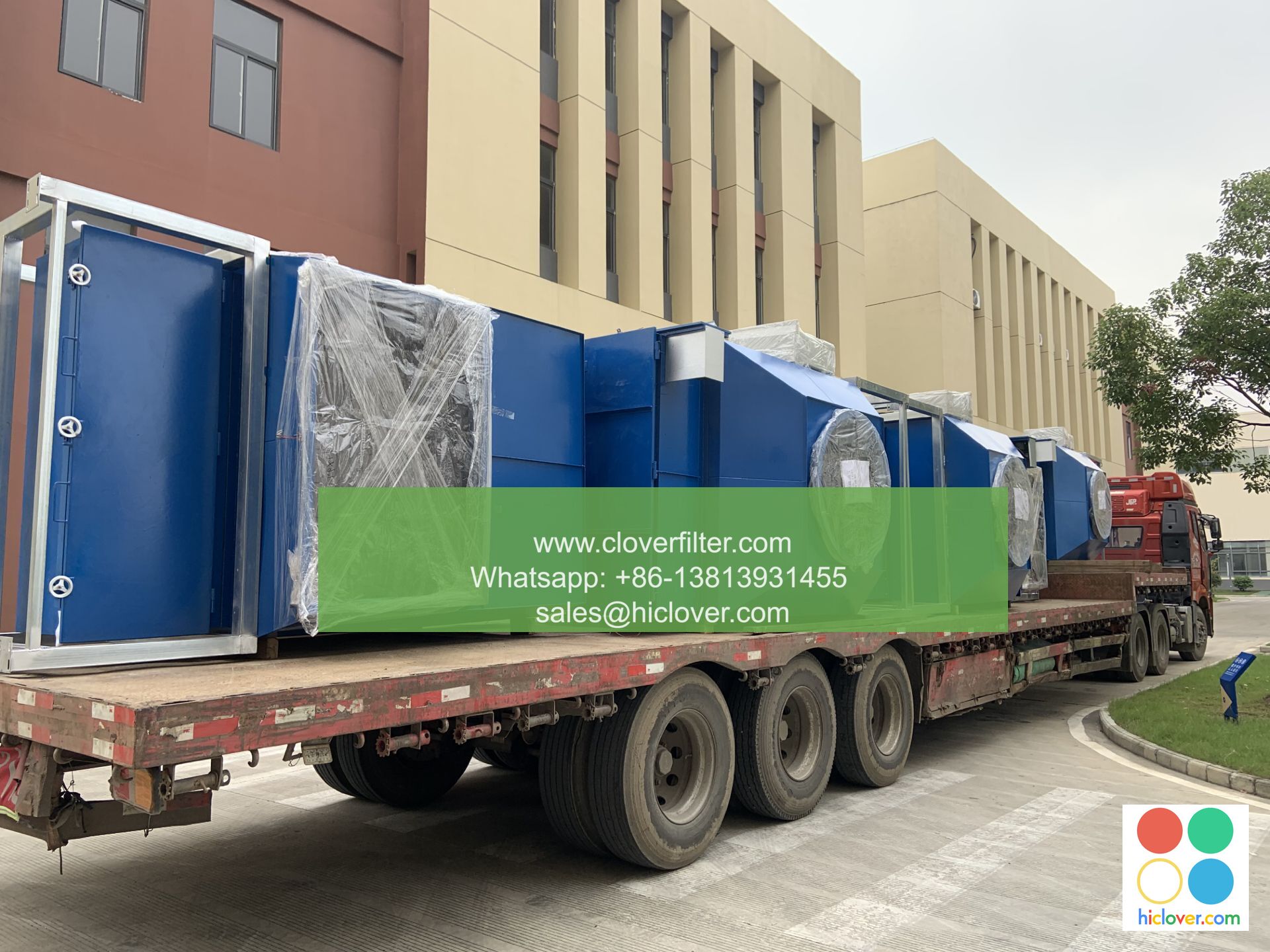
In an era where air quality is paramount, especially in the pharmaceutical industry, a notable Quebec pharmaceutical plant has made significant strides by upgrading its air filtration system. The implementation of an Automatic Roll Air Filter System marks a critical enhancement in the facility’s commitment to maintaining a clean and safe environment for both employees and the products they manufacture.
The Need for Improved Air Quality

The pharmaceutical industry is held to stringent standards regarding air quality, as contaminants can lead to product defects and compromised safety. In the past, the Quebec plant’s air filtration system relied on traditional methods that were inefficient for the scale of operations required. Issues with manual filter changes often led to downtimes, increased labor costs, and potential risks of airborne contaminants infiltrating sterile environments.
Introducing the Automatic Roll Air Filter System
The newly installed Automatic Roll Air Filter System represents a significant technological upgrade. This system utilizes a continuous roll of high-efficiency particulate air (HEPA) filters that automatically feed into the system, minimizing the need for manual replacements. Key features of this new system include:
- Enhanced Filtration: The HEPA filters are specifically designed to capture a higher percentage of airborne particles, including those as small as 0.3 microns.
- Automation: The automatic feed reduces the frequency of manual interventions, ensuring consistent air quality without the interruptions caused by frequent filter changes.
- Cost Efficiency: By reducing labor costs and improving operational efficiency, the plant can allocate resources more effectively.
- Real-time Monitoring: The system is integrated with sensors that track air quality metrics, allowing for proactive adjustments to the filtration process as needed.
- Improved Air Quality: With reduced airborne contaminants, the overall air quality within the plant has significantly improved, ensuring a safer environment for production.
- Compliance and Certification: The upgraded system has helped the facility achieve better compliance with global health regulations, allowing for smoother audits and certifications.
- Lowered Risk of Contamination: By enhancing the air filtration process, the plant has effectively reduced the risk of contamination that could compromise product safety and efficacy.
- Increased Productivity: With reduced downtime and enhanced efficiency, employees can focus on core functions rather than maintenance tasks related to the air filtration system.

Benefits Realized by the Upgrade
After implementing the Automatic Roll Air Filter System, the Quebec pharmaceutical plant has reported several improvements:
Conclusion
The decision to upgrade to an Automatic Roll Air Filter System reflects the Quebec pharmaceutical plant’s dedication to not only improving its operational efficiency but also prioritizing employee safety and product integrity. As the pharmaceutical landscape continues to evolve, investing in advanced air quality solutions is essential for maintaining competitive advantages and ensuring compliance with ever-stringent regulations. This upgrade is a testament to the plant’s ongoing commitment to excellence in manufacturing practices, paving the way for future technologies in air filtration and maintenance.
Frequently Asked Questions (FAQs)
What is an Automatic Roll Air Filter System?
An Automatic Roll Air Filter System is a continuous roll filter mechanism that automatically feeds into air filtration systems, improving efficiency and reducing manual labor associated with filter changes.
Why is air quality important in pharmaceutical manufacturing?
Air quality is critical in pharmaceutical manufacturing because contaminants can compromise product safety, lead to defects, and impact regulatory compliance.
What benefits does the new system provide to employees?
The enhanced air quality reduces health risks for employees while allowing them to focus on production rather than maintenance tasks related to the air filtration system.
How does the upgrade affect operational costs?
The upgrade decreases overall operational costs by minimizing the need for manual interventions, thus enhancing efficiency and allowing better allocation of resources.
