Raising Awareness: Air Filter Panels and Community Engagement
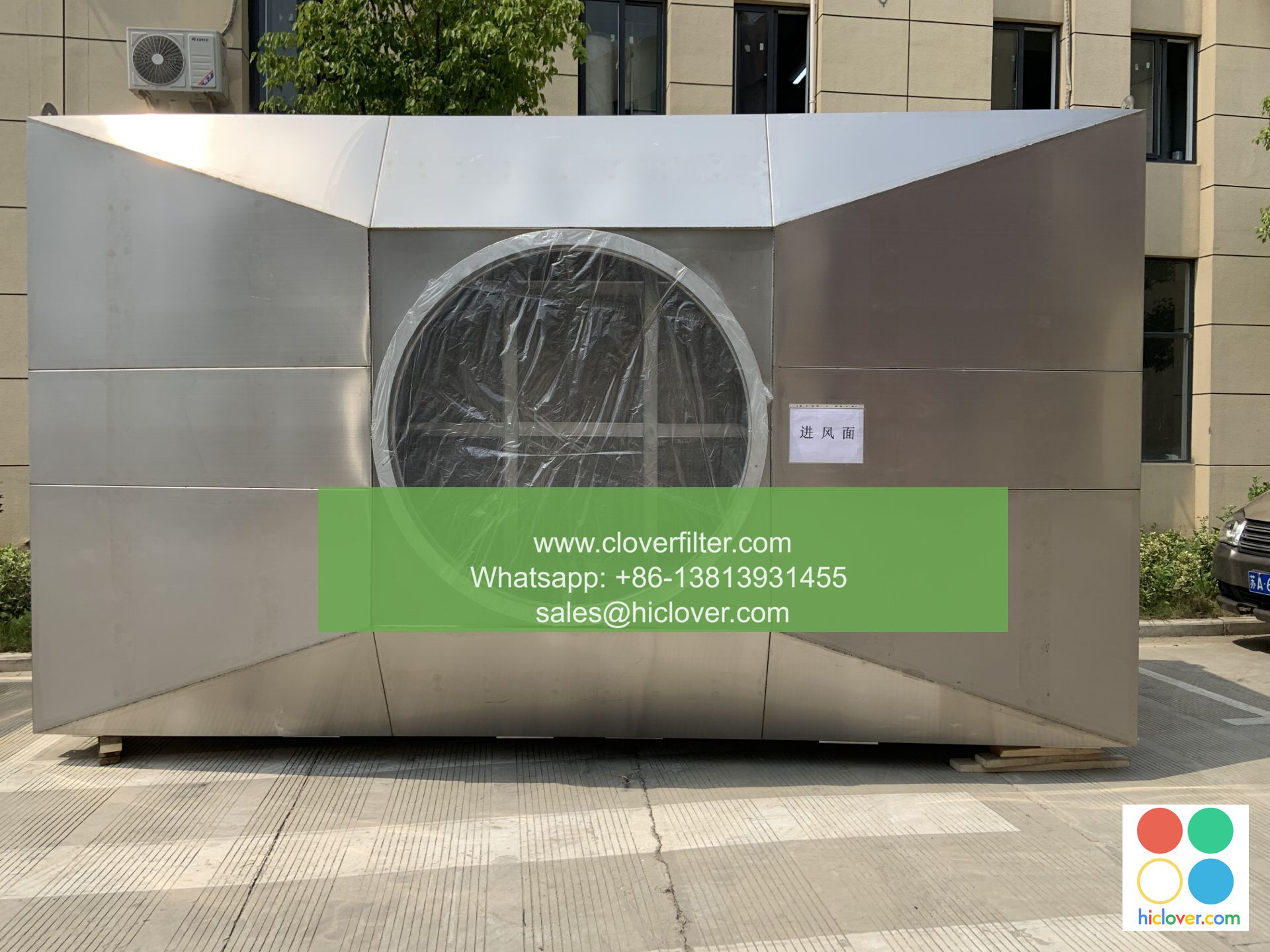
Key Takeaways:
- Understanding air filter events promotes better facility air quality.
- Automatic Roll Air Filters enhance filtration efficiency.
- Proper selection of air filter systems prolongs equipment life.
- Maintaining awareness of air quality can reduce operational costs.
- Educational initiatives foster community involvement in air quality efforts.
- Airflow Range: Ensure the filter meets your system’s required airflow within a specified range.
- Face Velocity: Calculate the recommended face velocity to avoid damage and ensure efficiency.
- Media Width/Length: Select the appropriate dimensions based on the installation requirements.
- Frame Size: Choose a frame size compatible with your HVAC system specifications.
- Control Options: Evaluate automatic timer settings and manual override features.
- Power Supply: Consider your system’s electrical supply requirements.
- Installation Location: Identify if the filter will be used for fresh air intake, return air, or process-specific air.
- Oversight of Filter Type: Ensure the chosen filter type aligns with your specific use case.
- Improper Sizing: Measure correctly to avoid mismatches that can lead to inefficiency.
- Neglecting Maintenance Needs: Schedule regular checks to maintain filtration efficiency.
- Forgetting Compatibility: Confirm all components are compatible with existing HVAC systems.
- Disregarding Local Air Quality: Adapt your air filtration solutions in response to local air quality needs.
- Overlooking Energy Savings: Recognize that improved filtration can lead to reduced energy consumption.
- Skipping Training: Ensure staff are trained on filter maintenance and troubleshooting.
-
Data Center: In a bustling data center, maintaining optimal air quality is crucial for equipment stability. The Automatic Roll Air Filter reduced particulate build-up on sensitive servers, decreasing emergency maintenance by 30%.
-
Battery Factory: A lithium battery plant implemented CloverFilter’s technology to ensure strict particulate control. The advanced roll media helped maintain compliance with internal air quality standards while significantly reducing equipment downtime.
-
Paint Shop: A paint booth found that the Automatic Roll Air Filter effectively removed volatile organic compounds (VOCs), creating a safer working environment while keeping maintenance costs at a minimum.
-
Textile/Steel/Cement Plant: In heavy industries like textiles and cement, dust and particles pose major challenges. The automatic systems provided consistently fresh air intake, assisting in compliance with industry standards while reducing operational costs.
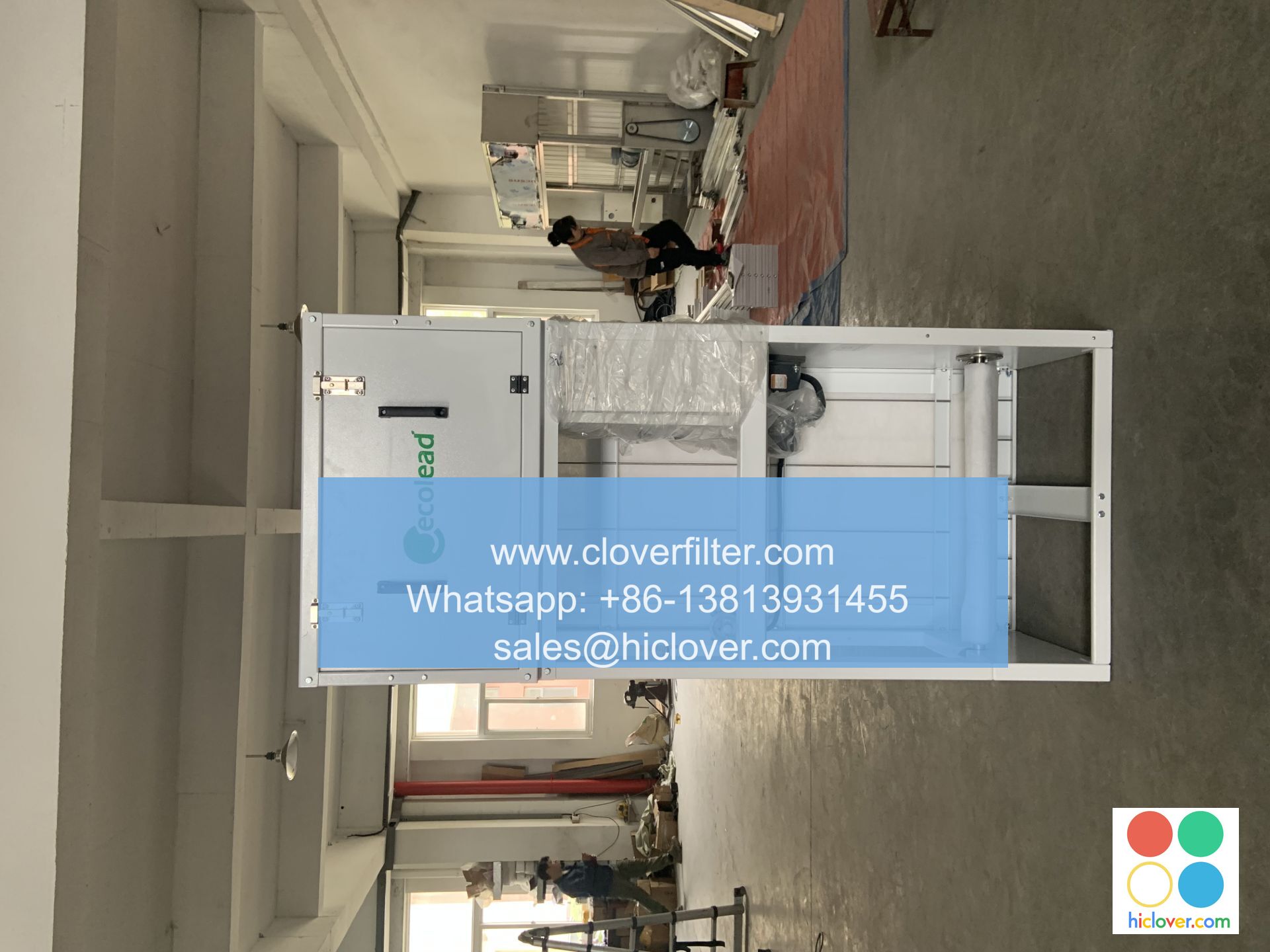
Understanding Automatic Roll Air Filters
Automatic Roll Air Filters are innovative solutions designed for various HVAC and air handling systems. This technology utilizes a roll media that advances automatically, adjusting itself based on differential pressure triggers and timer modes. The key to their efficiency lies in their ability to continuously deliver fresh air while minimizing restrictions that typically cause a pressure drop. These filters seamlessly fit into HVAC/AHU systems, ensuring that air quality is maintained without requiring excessive manual intervention.
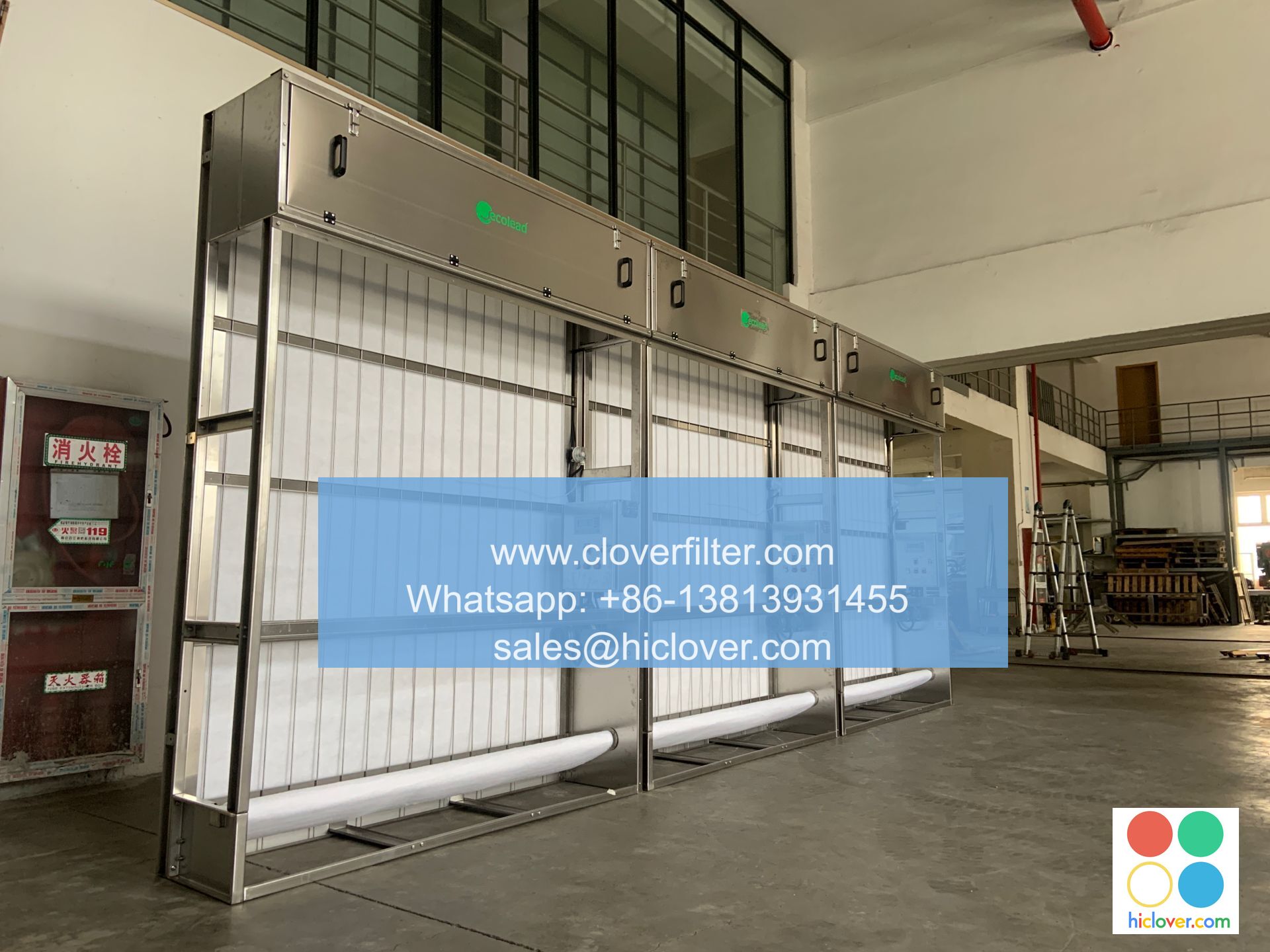
When considering automatic filters for your facility, it’s important to think about where it fits within your system. Customers often utilize these filters in fresh air intakes, return air pathways, or specific processing applications to ensure that particulate control is optimized.
Practical Selection Guide for Air Filter Events
Choosing the right air filter involves understanding specific parameters related to your facility’s airflow needs. Here’s a selection guide to assist procurement managers and HVAC engineers:
Common Mistakes & How to Avoid Them
While implementing air filters, especially in the wake of air filter events, many facilities make common mistakes. Here are ways to avoid pitfalls:
Real-World Scenarios
Understanding practical applications of Automatic Roll Air Filters can provide valuable insights into their benefits. Here are four mini case studies that demonstrate different uses:
Comparison Table
Here’s a concise overview comparing various filter types:
| Filter Type | Best Use Case | Maintenance | Pressure Drop Behavior | Operating Cost | Typical Risk/Downside |
|---|---|---|---|---|---|
| Automatic Roll Air Filter | High airflow systems | Low | Moderate | Energy-saving benefits | Requires correct sizing |
| Bag Filter | General-purpose applications | Moderate | High | Higher initial cost | Bulkiness and weight |
| Panel Filter | Basic air filtration | High | Low | Low operational cost | Frequent replacements |
| V-bank | High particulate environments | Moderate | High | Moderate | Limited surface area |
Engaging with Air Filter Events
Participating in air filter events can significantly aid community engagement and awareness. These gatherings serve as excellent platforms for sharing knowledge, exploring the latest advancements in filtration technology, and discussing the importance of clean air in various industries.
Being involved in such initiatives can foster collaboration among different sectors, propelling better air quality practices. Whether you are a facility manager, HVAC engineer, or procurement manager, attending these events will enhance your understanding of air quality and filter efficiency.
FAQ Section
1. What is an Automatic Roll Air Filter?
An Automatic Roll Air Filter utilizes rolled media that automatically advances based on the pressure differential, ensuring continuous filtration.
2. How often should filters be changed?
Change filters based on manufacturer guidelines, system demands, and environmental conditions.
3. Can these filters improve energy efficiency?
Yes, Automatic Roll Air Filters can help reduce energy consumption by maintaining optimal airflow with lower pressure drops.
4. What locations are best for installation?
They can be installed in fresh air intakes, return air ducts, or specialized processes requiring strict particulate control.
5. How do I select the right size?
Measure your existing filter dimensions and ensure your new filter is compatible based on airflow and pressure requirements.
6. Are there industry standards I need to consider?
While specific certifications vary, familiarize yourself with ISO 16890 and the MERV concept to ensure you meet general industry frameworks.
7. What advantages do air filter events provide?
Air filter events offer education, networking opportunities, and insights into the latest technologies for improving air quality.
By partnering with CloverFilter, you’re ensuring that your facility’s air filtration needs are met with the highest quality products. For specialized inquiries, reach out to CloverFilter at CloverFilter Contact.
Meta Description: Discover how Automatic Roll Air Filters enhance air quality and engage communities through air filter events. Optimize your facilities with CloverFilter solutions.
It seems like you might have a specific prompt in mind or need assistance with creating one. Could you please provide more details about what you’re looking for? Whether it’s a writing prompt, a question, or something else, I’m here to help!
