Reducing Airborne Contaminants at St. John’s Hospital with Automatic Roll Air Filters
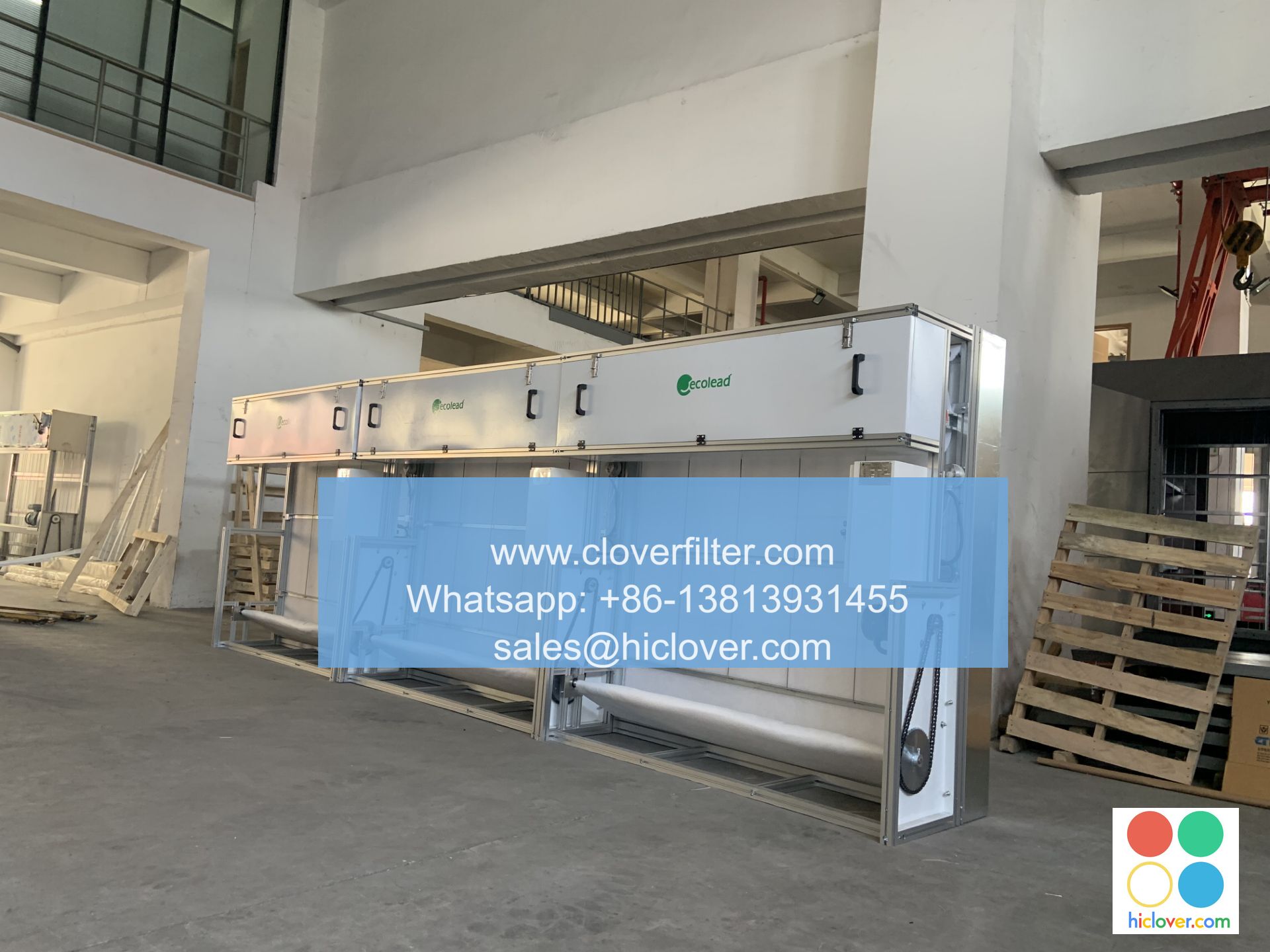
St. John’s Hospital has been at the forefront of providing quality healthcare services to its patients. However, like many other healthcare facilities, it faces the challenge of maintaining a clean and healthy environment for its patients, visitors, and staff. One of the key concerns in healthcare settings is the presence of airborne contaminants, which can pose a significant risk to the health and well-being of individuals, particularly those with compromised immune systems. To address this issue, St. John’s Hospital has implemented an innovative solution – automatic roll air filters.
The hospital’s decision to install automatic roll air filters was driven by the need to reduce airborne contaminants and improve indoor air quality. Traditional air filtration systems often require manual replacement of filters, which can be time-consuming and may not always be done on schedule. This can lead to a decrease in air quality and an increase in the risk of airborne contamination. Automatic roll air filters, on the other hand, provide a continuous and consistent supply of clean air, minimizing the risk of contamination and ensuring a healthy environment for patients, visitors, and staff.

The automatic roll air filters used at St. John’s Hospital are designed to capture 99.97% of particles as small as 0.3 microns, including dust, pollen, bacteria, and viruses. These filters are made of a high-quality, durable material that can withstand the demands of a busy healthcare environment. The automatic roll air filter system is also equipped with a built-in monitoring system that tracks the filter’s performance and alerts maintenance staff when the filter needs to be replaced. This ensures that the air filtration system is always operating at peak performance, providing clean and healthy air to the hospital’s occupants.
The implementation of automatic roll air filters at St. John’s Hospital has had a significant impact on reducing airborne contaminants. The hospital has seen a notable decrease in the number of airborne particles, including bacteria and viruses, which has resulted in a lower risk of infection and illness among patients, visitors, and staff. The improved indoor air quality has also contributed to a more comfortable and healthy environment, which is essential for the well-being and recovery of patients.
In addition to the health benefits, the automatic roll air filter system has also provided significant cost savings for the hospital. The system’s automatic replacement feature eliminates the need for manual labor, reducing maintenance costs and minimizing downtime. The filters themselves are also designed to be long-lasting, reducing the need for frequent replacements and minimizing waste.
The success of the automatic roll air filter system at St. John’s Hospital has also had a positive impact on the hospital’s reputation and patient satisfaction. Patients and visitors have reported a noticeable improvement in the indoor air quality, which has contributed to a more positive experience during their stay. The hospital’s commitment to providing a clean and healthy environment has also been recognized by accreditation organizations, which has further enhanced the hospital’s reputation as a leader in healthcare quality.

In conclusion, the implementation of automatic roll air filters at St. John’s Hospital has been a significant step forward in reducing airborne contaminants and improving indoor air quality. The system’s ability to provide a continuous and consistent supply of clean air has minimized the risk of contamination and created a healthy environment for patients, visitors, and staff. The cost savings and positive impact on patient satisfaction have also made the system a valuable investment for the hospital.
Conclusion
The use of automatic roll air filters at St. John’s Hospital is a prime example of how innovative solutions can be used to address the complex challenges faced by healthcare facilities. By reducing airborne contaminants and improving indoor air quality, the hospital has created a healthier environment for its patients, visitors, and staff. The success of this system serves as a model for other healthcare facilities looking to improve their indoor air quality and reduce the risk of airborne contamination.
FAQs
- What are automatic roll air filters? Automatic roll air filters are a type of air filtration system that provides a continuous and consistent supply of clean air by automatically replacing the filter media as it becomes dirty.
- How do automatic roll air filters work? Automatic roll air filters work by using a roll of filter media that is slowly fed into the system as the old media becomes dirty. The system is equipped with a built-in monitoring system that tracks the filter’s performance and alerts maintenance staff when the filter needs to be replaced.
- What are the benefits of using automatic roll air filters in healthcare settings? The benefits of using automatic roll air filters in healthcare settings include reduced airborne contaminants, improved indoor air quality, cost savings, and a healthier environment for patients, visitors, and staff.
- Can automatic roll air filters be used in other types of facilities? Yes, automatic roll air filters can be used in a variety of facilities, including commercial buildings, industrial settings, and residential homes, to improve indoor air quality and reduce airborne contaminants.
- How often do automatic roll air filters need to be replaced? The frequency of replacement for automatic roll air filters depends on the specific system and the level of air pollution in the facility. The system’s built-in monitoring system will alert maintenance staff when the filter needs to be replaced.
