Reducing Contamination Risks: The Effectiveness of Automatic Roll Air Filters in Medical Labs
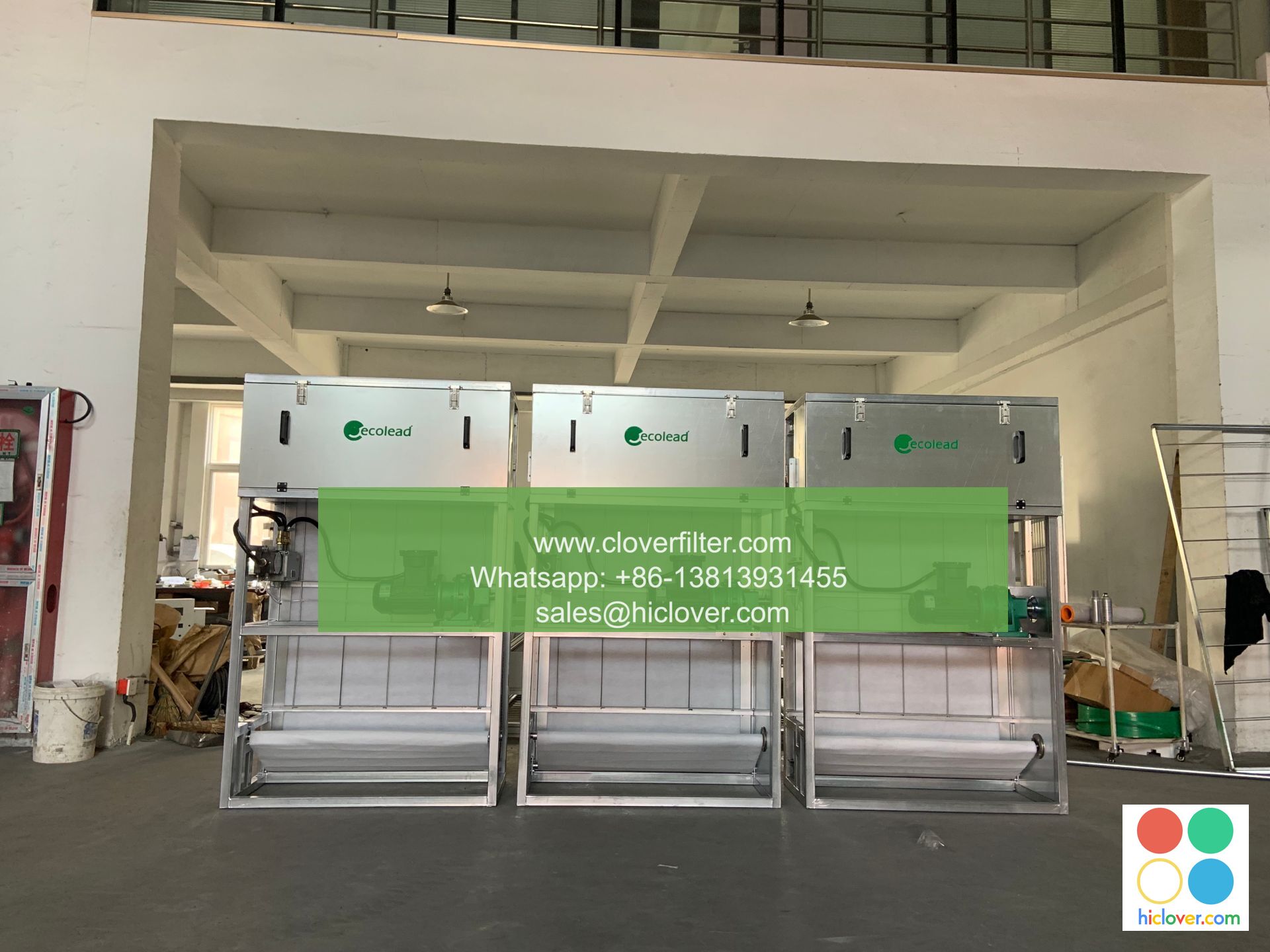
Medical laboratories play a critical role in the healthcare industry, providing accurate and reliable test results that inform diagnosis, treatment, and patient care. However, these facilities are also highly susceptible to contamination, which can compromise the integrity of samples, equipment, and personnel. In recent years, the use of automatic roll air filters has emerged as a effective solution for reducing contamination risks in medical labs, and this article will explore their effectiveness in various application areas.
Minimizing Contamination Risks in Medical Labs
Contamination can occur through various means, including airborne particles, surface contact, and human error. In medical labs, the presence of contaminants can lead to false test results, equipment damage, and exposure to hazardous substances. To mitigate these risks, labs must implement robust contamination control measures, including the use of high-efficiency air filters, personal protective equipment (PPE), and standardized operating procedures.
Automatic Roll Air Filters: A Game-Changer for Medical Labs
Automatic roll air filters have revolutionized the way medical labs approach contamination control. These cutting-edge filters utilize advanced technology to capture airborne particles, including bacteria, viruses, and other microorganisms, with unparalleled efficiency. By minimizing the presence of contaminants in the air, automatic roll air filters significantly reduce the risk of sample contamination, equipment damage, and personnel exposure.
Key Application Areas for Automatic Roll Air Filters
The effectiveness of automatic roll air filters is evident in various medical lab applications, including:
* Hematology and Blood Banking: Automatic roll air filters help prevent contamination of blood samples and reduce the risk of transfusion-transmitted infections.
* Molecular Diagnostics: These filters minimize the presence of airborne contaminants, ensuring the accuracy and reliability of molecular diagnostic tests, such as polymerase chain reaction (PCR) and next-generation sequencing (NGS).
* Microbiology and Virology: Automatic roll air filters reduce the risk of contamination in microbiology and virology labs, where the handling of infectious agents is a significant concern.
* Cell Culture and Tissue Engineering: These filters help maintain a sterile environment for cell culture and tissue engineering applications, reducing the risk of contamination and ensuring the viability of cells and tissues.

Highlighting the Benefits of Automatic Roll Air Filters
The use of automatic roll air filters in medical labs offers numerous benefits, including:
* Improved Sample Integrity: By minimizing contamination risks, automatic roll air filters help ensure the accuracy and reliability of test results.
* Enhanced Personnel Safety: These filters reduce the risk of exposure to hazardous substances, creating a safer working environment for lab personnel.
* Increased Equipment Longevity: Automatic roll air filters help prevent equipment damage caused by contaminants, reducing maintenance and replacement costs.
* Regulatory Compliance: The use of automatic roll air filters demonstrates a commitment to contamination control and regulatory compliance, reducing the risk of non-compliance and associated penalties.
Best Practices for Implementing Automatic Roll Air Filters
To maximize the effectiveness of automatic roll air filters in medical labs, the following best practices should be considered:
* Regular Maintenance and Replacement: Ensure that filters are regularly maintained and replaced to maintain optimal performance.
* Proper Installation and Configuration: Ensure that filters are properly installed and configured to meet the specific needs of the lab.
* Training and Education: Provide lab personnel with training and education on the use and maintenance of automatic roll air filters.
* Continuous Monitoring and Evaluation: Continuously monitor and evaluate the effectiveness of automatic roll air filters, making adjustments as needed to optimize performance.
Automatic roll air filters have emerged as a highly effective solution for reducing contamination risks in medical labs. By minimizing the presence of airborne particles and contaminants, these filters help ensure the accuracy and reliability of test results, enhance personnel safety, and increase equipment longevity. As the healthcare industry continues to evolve, the use of automatic roll air filters will play an increasingly critical role in maintaining the integrity of medical labs and ensuring the highest quality of patient care.
