Reducing Contamination Risks with Automatic Roll Air Filters: A Case Study of Siemens Facilities in Querétaro
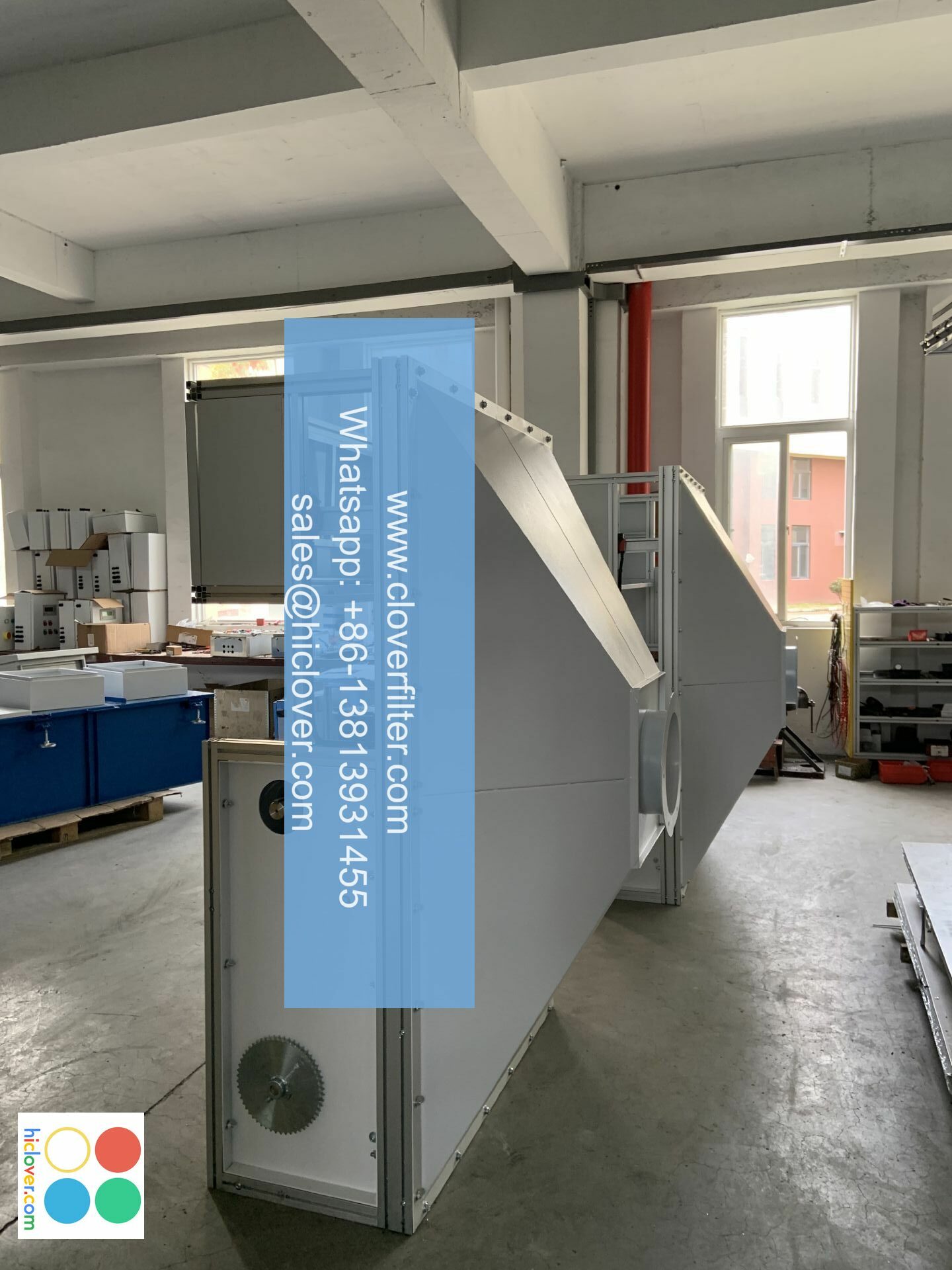

Introduction
In the contemporary industrial landscape, maintaining air quality is paramount for ensuring the health and safety of employees and the integrity of products. Contamination in manufacturing environments can lead to significant operational disruptions and financial losses. One innovative solution adopted by Siemens facilities in Querétaro is the use of automatic roll air filters. This case study explores how these filters mitigate contamination risks, enhancing production efficiency and ensuring compliance with industry standards.
Understanding Automatic Roll Air Filters
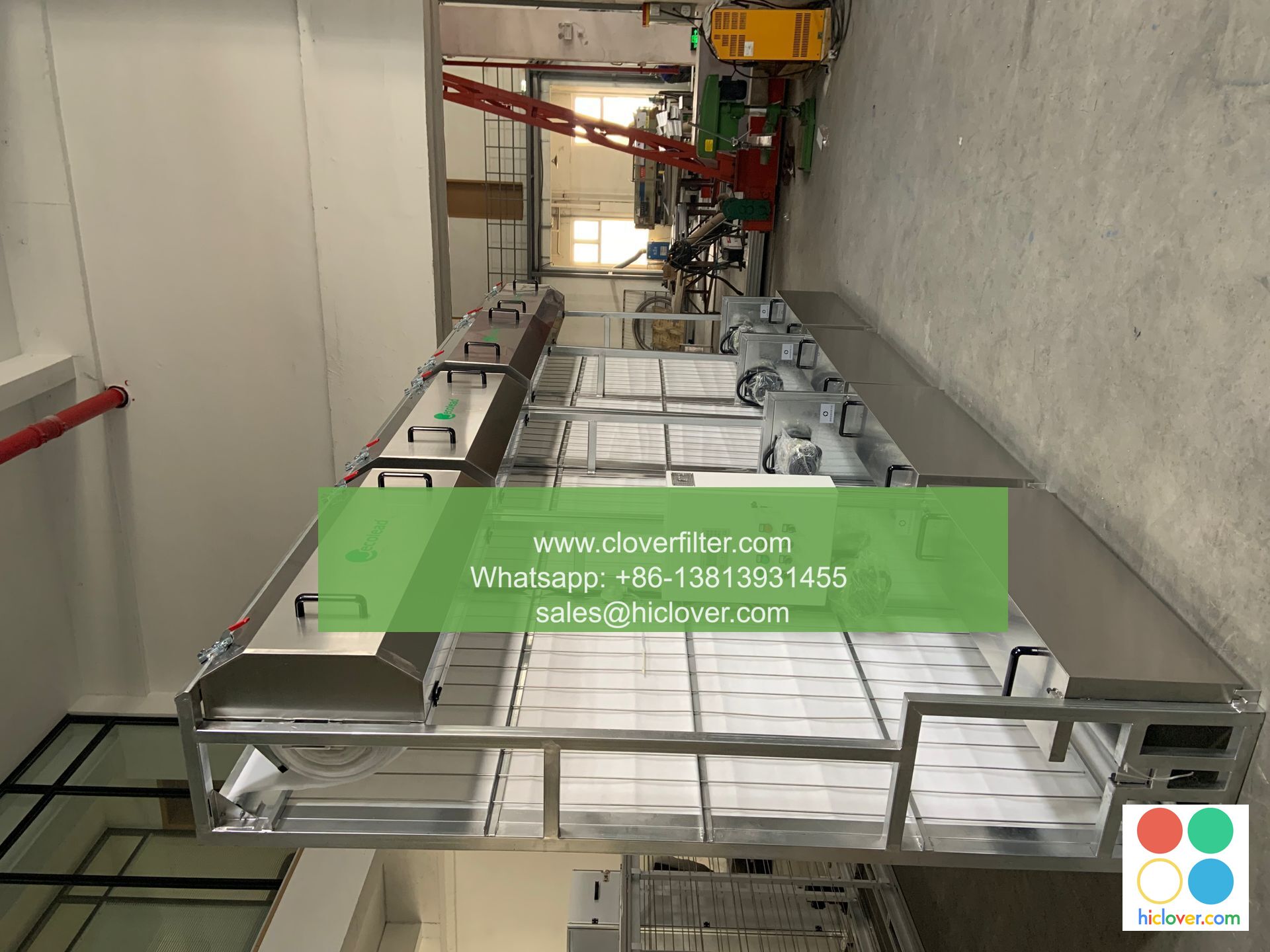
Automatic roll air filters are sophisticated filtering systems designed to capture airborne contaminants efficiently. Unlike traditional filters that require manual replacement, these filters continuously pull dust, particles, and allergens from the air, automatically rolling out a new section of the filter material as the old section becomes saturated. This technology streamlines maintenance and provides consistent air quality, making it particularly beneficial for facilities involved in sensitive manufacturing processes.
Application Areas in Siemens Facilities
Within the Siemens facilities in Querétaro, the application of automatic roll air filters spans several key areas:
- Electronics Manufacturing: High-precision electronic components require clean environments. The filters ensure that fine particles do not compromise the quality of products.
- Automotive Production: Contamination can adversely impact assembly lines. By maintaining air purity, the filters enhance operational reliability and product quality.
- Medical Device Manufacturing: Stringent regulations govern the production of medical devices. Automatic roll air filters help meet these requirements, providing a safe environment for production.
Implementation Strategy
Siemens implemented a strategic approach to the installation and operation of automatic roll air filters. This involved:
- Assessment: Conducting a thorough analysis of air quality issues specific to each production area.
- Installation: Integrating filters that cater to the specific requirements of different manufacturing zones.
- Training: Ensuring staff are trained on the operation and maintenance of these systems to promote effective use.
Results and Benefits
The implementation of automatic roll air filters at Siemens facilities in Querétaro has yielded significant benefits:
- Reduced Contamination: There has been a marked decrease in airborne particulate matter, leading to better product quality.
- Increased Efficiency: With minimized downtime due to contamination-related issues, production efficiency has significantly improved.
- Cost Savings: Automating the filter replacement process has lowered operational costs and reduced the need for frequent manual interventions.
Conclusion
The case study of Siemens facilities in Querétaro demonstrates the profound impact that automatic roll air filters can have on reducing contamination risks in manufacturing environments. By ensuring a clean air supply in various application areas—such as electronics, automotive, and medical device manufacturing—Siemens not only protects its employees but also enhances product quality and operational efficiency. As industries continue to prioritize health and safety, the adoption of advanced air filtration systems will play a critical role in achieving these objectives.
