Reducing Downtime: Benefits of Self-Cleaning Roll Filtration for Terminal Operations
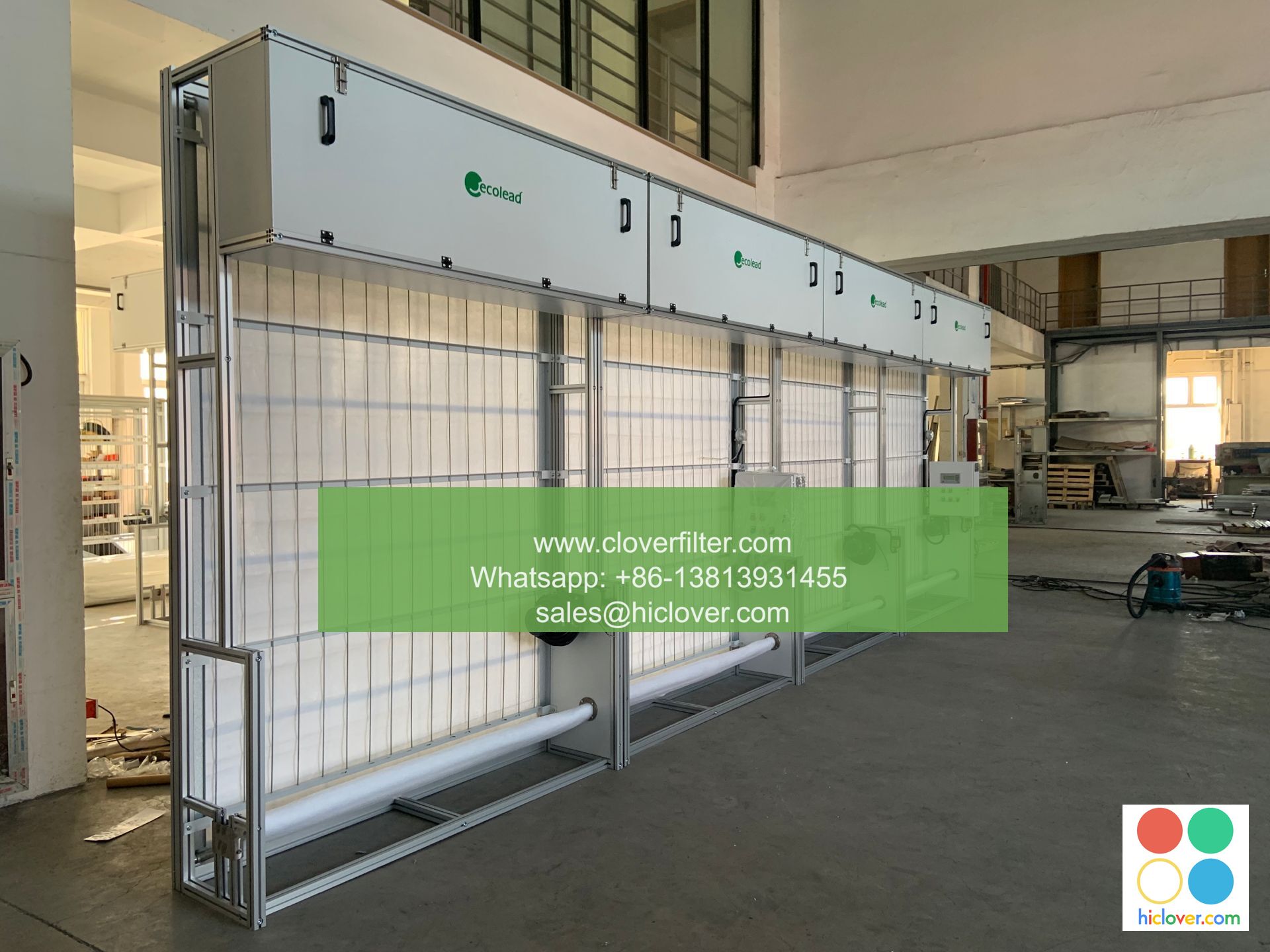
Introduction to Self-Cleaning Roll Filtration

In the realm of terminal operations, maintaining optimal efficiency is paramount. Self-cleaning roll filtration systems have emerged as a groundbreaking technology, significantly enhancing operational uptime. This article explores the advantages of incorporating self-cleaning roll filtration into terminal operations, highlighting various application areas and their impact on reducing downtime.
What is Self-Cleaning Roll Filtration?
Self-cleaning roll filtration is a sophisticated filtration technology that utilizes a continuous roll mechanism to remove contaminants from liquids. The self-cleaning feature allows the system to maintain high levels of performance with minimal intervention, ensuring that operations run smoothly and efficiently.
Benefits of Self-Cleaning Roll Filtration

1. Enhanced Operational Efficiency
By automating the cleaning process, self-cleaning roll filtration minimizes the need for manual intervention. This leads to improved operational efficiency, as staff can focus on other critical tasks instead of maintaining filtration systems.
2. Continuous Filtration
These systems provide continuous filtration, ensuring that contaminants are consistently removed from the liquid stream. This results in higher quality outputs and minimizes the risk of equipment wear and tear due to particle buildup.
3. Reduced Maintenance Costs
With less frequent manual cleaning and maintenance, maintenance costs are significantly reduced. This long-term savings can be redirected towards other operational improvements, further boosting productivity.
4. Increased Equipment Lifespan
By effectively managing debris and contaminants, self-cleaning roll filtration extends the lifespan of pumps, valves, and other essential equipment. Maintaining cleaner systems leads to fewer breakdowns and extended intervals between repairs.
Application Areas in Terminal Operations
1. Oil and Gas Terminals
In oil and gas terminals, the presence of particulates in liquids can lead to significant operational issues. Self-cleaning roll filtration helps maintain fluid clarity, ensuring pipelines and storage are free from impurities.
2. Chemical Processing Plants
Chemical terminals require precise filtration to avoid contamination and ensure product quality. The self-cleaning capability allows for continuous operations without the downtime associated with manual cleaning.
3. Food and Beverage Industry
In the food and beverage sector, maintaining hygiene standards is crucial. Self-cleaning roll filtration offers a reliable solution for removing impurities while adhering to strict compliance regulations.
4. Wastewater Treatment Facilities
In wastewater treatment, effective filtration is vital for preventing clogs and ensuring effluent quality. Self-cleaning systems promote efficiency and reliability in processes that can often face heavy contaminant loads.
The Future of Terminal Operations
As industries prioritize efficiency and sustainability, the demand for innovative solutions like self-cleaning roll filtration will continue to grow. Investing in such technologies not only reduces downtime but also enhances operational resilience and adaptability in an ever-changing market landscape.
Of course! What would you like to explore or discuss in your prompt? Whether it’s a creative writing idea, a question, or a topic for discussion, let me know how I can assist you!
