Reducing Dust Emissions: The Impact of Automatic Roll Systems on Ore Blending
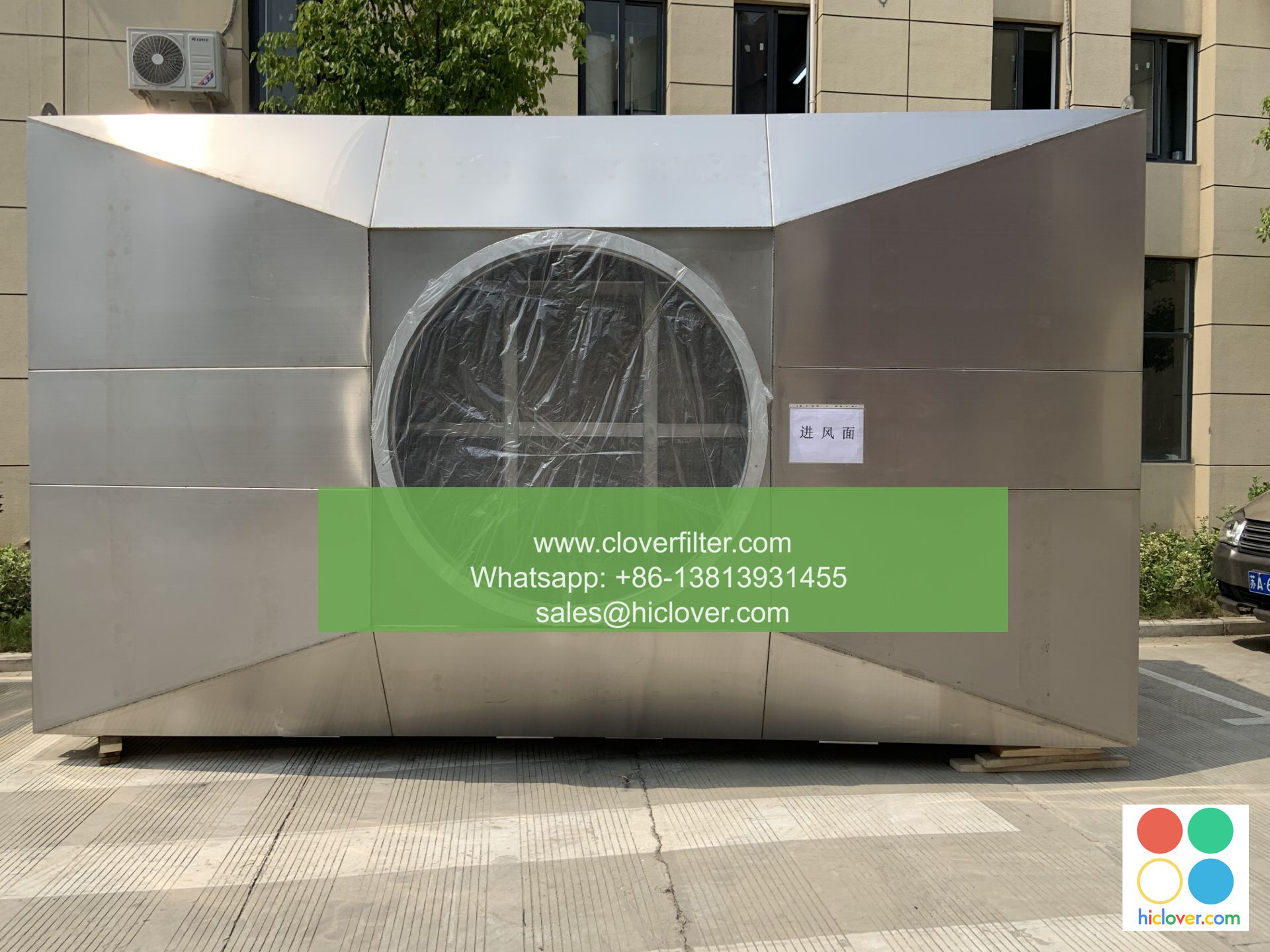
Dust emissions from ore blending processes present significant environmental and health challenges across various industries. The advent of automatic roll systems has transformed how we manage these emissions, leading to innovative solutions that enhance both efficiency and sustainability. In this article, we will explore how these technologies are applied in different sectors, their impact on dust reduction, and the broader implications for environmental safety.
Understanding Dust Emissions in Ore Blending

Dust particles generated during ore handling and blending can have detrimental effects on air quality and worker health. These emissions are often a byproduct of mechanical processes inherent in mining, mineral processing, and material handling. Addressing dust emissions is critical not only for compliance with environmental regulations but also for safeguarding the workforce and community.
The Role of Automatic Roll Systems
Automatic roll systems are advanced technologies designed to facilitate the blending of ores with minimal dust generation. By implementing these systems, companies can achieve precise material handling, which reduces the dispersion of dust particles into the atmosphere.
These systems utilize a series of automated rollers that evenly distribute materials while controlling the flow and minimizing turbulence, which is often a major contributor to dust creation. The integration of sensors and smart controls allows for real-time monitoring, ensuring optimal performance and dust mitigation.
Key Applications of Automatic Roll Systems
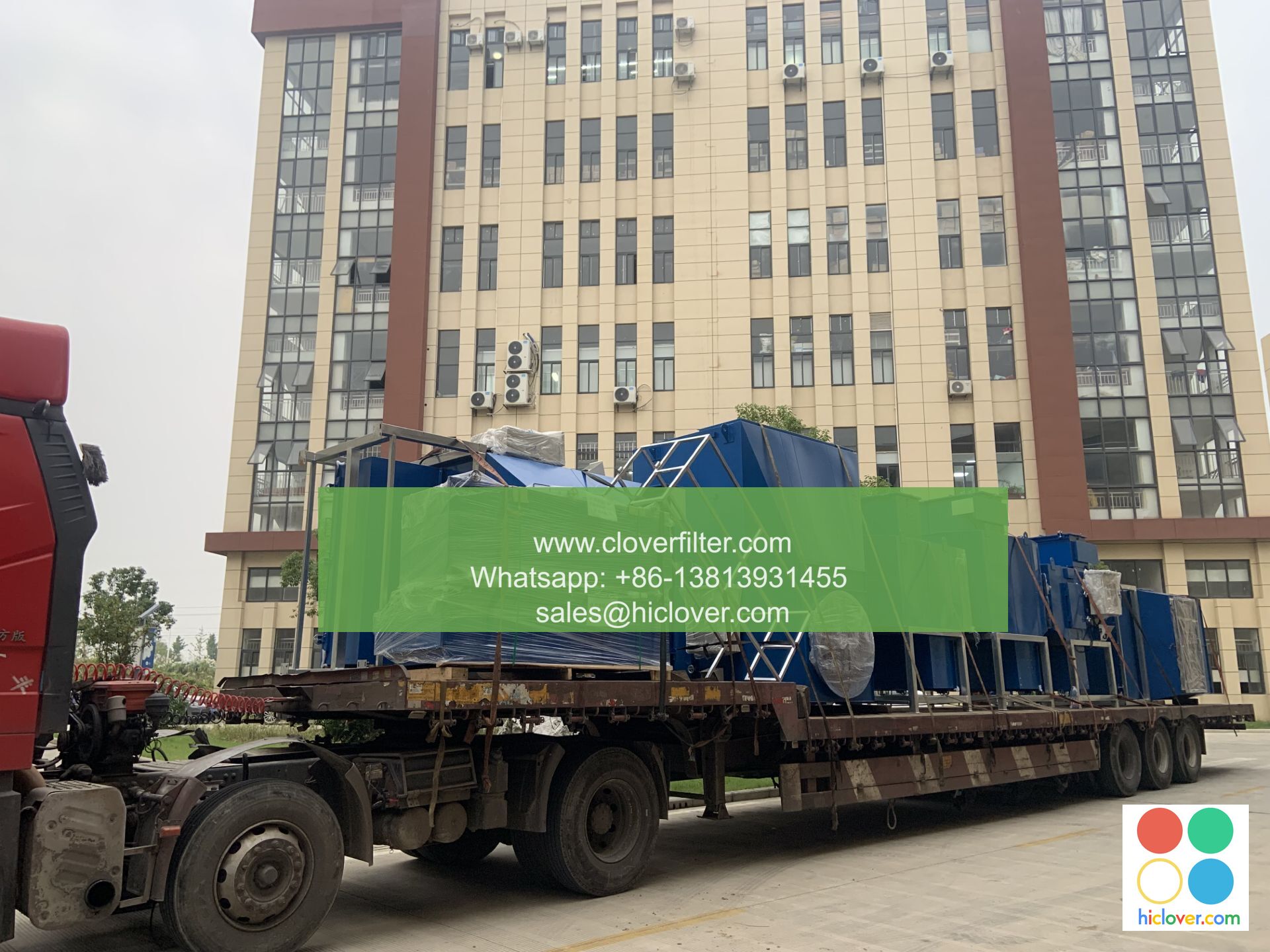
Mining Industry
In the mining sector, the adoption of automatic roll systems is particularly beneficial. These systems help in efficiently transferring ore from excavation sites to processing plants while significantly reducing dust emissions. Automated controls ensure that the material mix is consistent, leading to improved quality and reduced environmental impact.
Cement Production
Cement production is another area where dust control is essential. The use of automatic roll systems during the blending of raw materials such as limestone and clay minimizes airborne particles, thus improving air quality in and around manufacturing sites.
Recycling Operations
In the recycling sector, these systems facilitate cleaner processing of materials, which is often prone to dust emissions. By ensuring the uniform blending of materials, automatic roll systems reduce the chances of dust generation during operations such as shredding and sorting.
Benefits of Implementing Automatic Roll Systems
- Enhanced Dust Control: By minimizing the amount of dust generated during ore blending, automatic roll systems significantly improve air quality.
- Improved Efficiency: Automation leads to more consistent blending processes, which enhances operational efficiency.
- Worker Safety: Reduced dust exposure lowers health risks for workers involved in mining and material handling.
- Environmental Compliance: Companies can more easily comply with regulations concerning air emissions, promoting a greener and more sustainable operation.
Conclusion
The integration of automatic roll systems in ore blending processes represents a significant advancement in the quest to reduce dust emissions. By applying these technologies in various sectors, including mining, cement production, and recycling, we can protect health, enhance operational efficiency, and comply with environmental standards. The shift toward automated solutions not only addresses immediate operational concerns but also paves the way for a more sustainable and environmentally friendly approach to ore blending.
It looks like you might want to provide a prompt for me to respond to, or perhaps you’re looking for a specific topic to discuss. Could you please clarify or give a bit more detail?
