Reducing Pollution: How Roll Air Filters Improve Air Quality in Textile Factories
The Importance of Air Quality in Textile Factories

Textile manufacturing is a significant contributor to pollution, releasing various airborne contaminants. Maintaining good air quality is crucial not only for the health of workers but also for the environment. Poor air quality can lead to respiratory issues, decreased productivity, and potentially severe long-term health complications.
Understanding Roll Air Filters
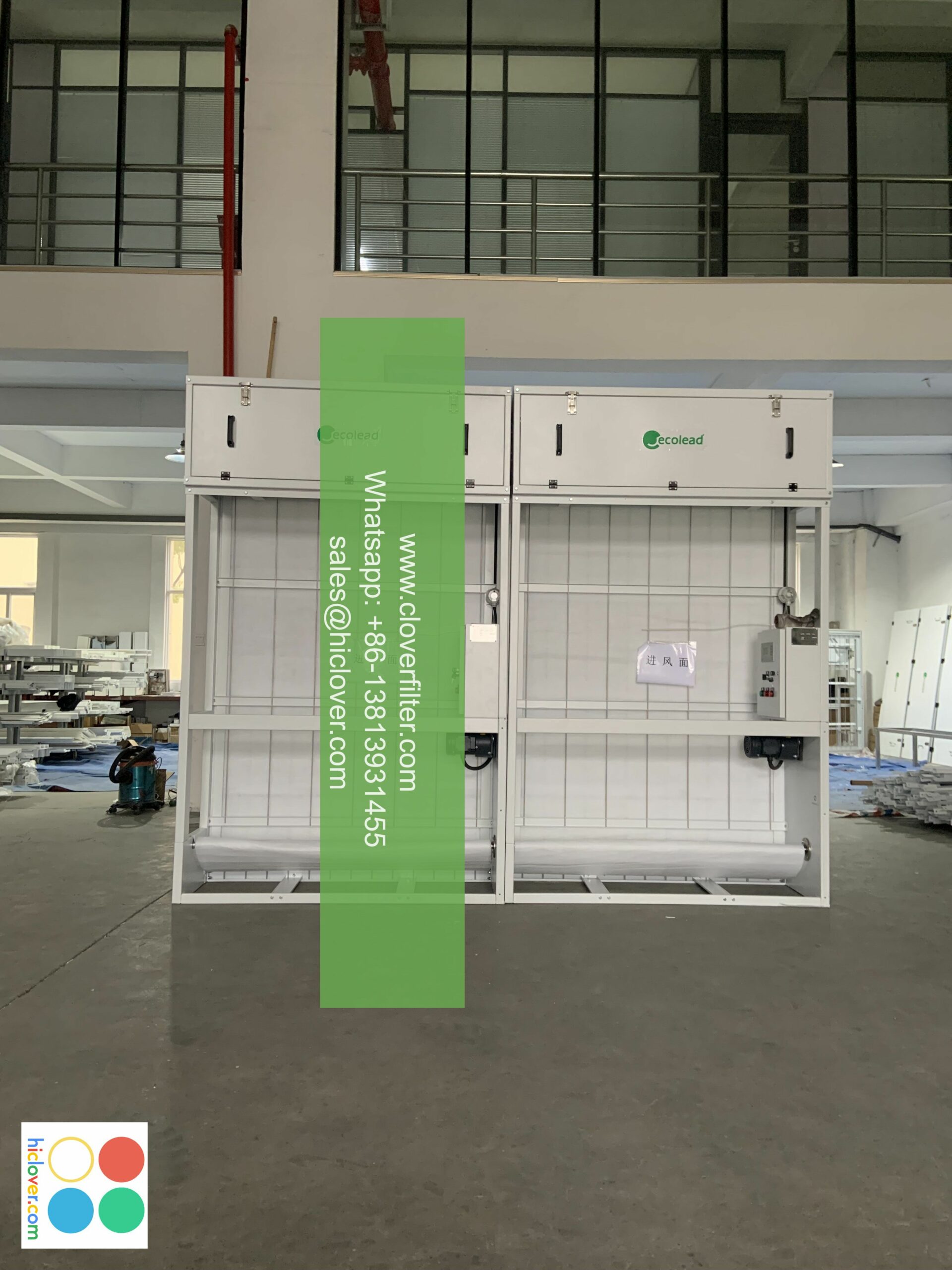
Roll air filters are designed as effective solutions for improving air quality in industrial settings, particularly textile factories. These filters provide excellent filtration performance by capturing particulate matter, dust, and other pollutants, which can be detrimental to both human health and machinery.
How Roll Air Filters Work

Roll air filters utilize multiple layers of filtration media to trap particles as air passes through. Their design allows for higher air flow rates, ensuring that a significant volume of air is filtered continuously. This mechanism helps significantly reduce pollutants, keeping the environment safe for workers.
Key features of roll air filters include:
- High-efficiency filtration layers
- Increased surface area for maximum pollutant capture
- Durable materials that withstand the rigors of industrial environments
Application Areas of Roll Air Filters
Roll air filters find their application across various areas in textile factories, leading to improved air quality and reduced pollution. Some noteworthy applications include:
- Spinning Mills: These facilities often generate fiber dust, which can be effectively filtered out using roll air filters.
- Dyeing and Finishing Units: The release of volatile organic compounds (VOCs) during dyeing processes can be mitigated significantly.
- Cutting and Sewing Areas: Dust and debris generated during cutting can be captured, preventing exacerbation of respiratory problems among workers.
Benefits of Using Roll Air Filters
Implementing roll air filters in textile factories results in several significant benefits:
- Improved Worker Health: By reducing airborne pollutants, workers experience fewer respiratory issues and improved overall health.
- Enhanced Productivity: A healthier work environment promotes higher productivity and reduces absenteeism.
- Compliance with Regulations: Many regions have stringent air quality regulations that can be met with effective filtration systems.
- Environmental Protection: Reduced pollution contributes to a cleaner environment, addressing corporate social responsibility and sustainability goals.
Conclusion
Roll air filters represent an effective solution to improve air quality and reduce pollution in textile factories. By understanding their role and applications, textile manufacturers can protect their workers, comply with regulations, and contribute to a healthier planet. Investing in high-quality roll air filters is not just an operational decision; it is a commitment to health, safety, and sustainability.
It seems like your message got cut off! Could you please provide more details or clarify what you need help with?
