Reducing, Reusing, Recycling: The Sustainability Angle of Air Filters
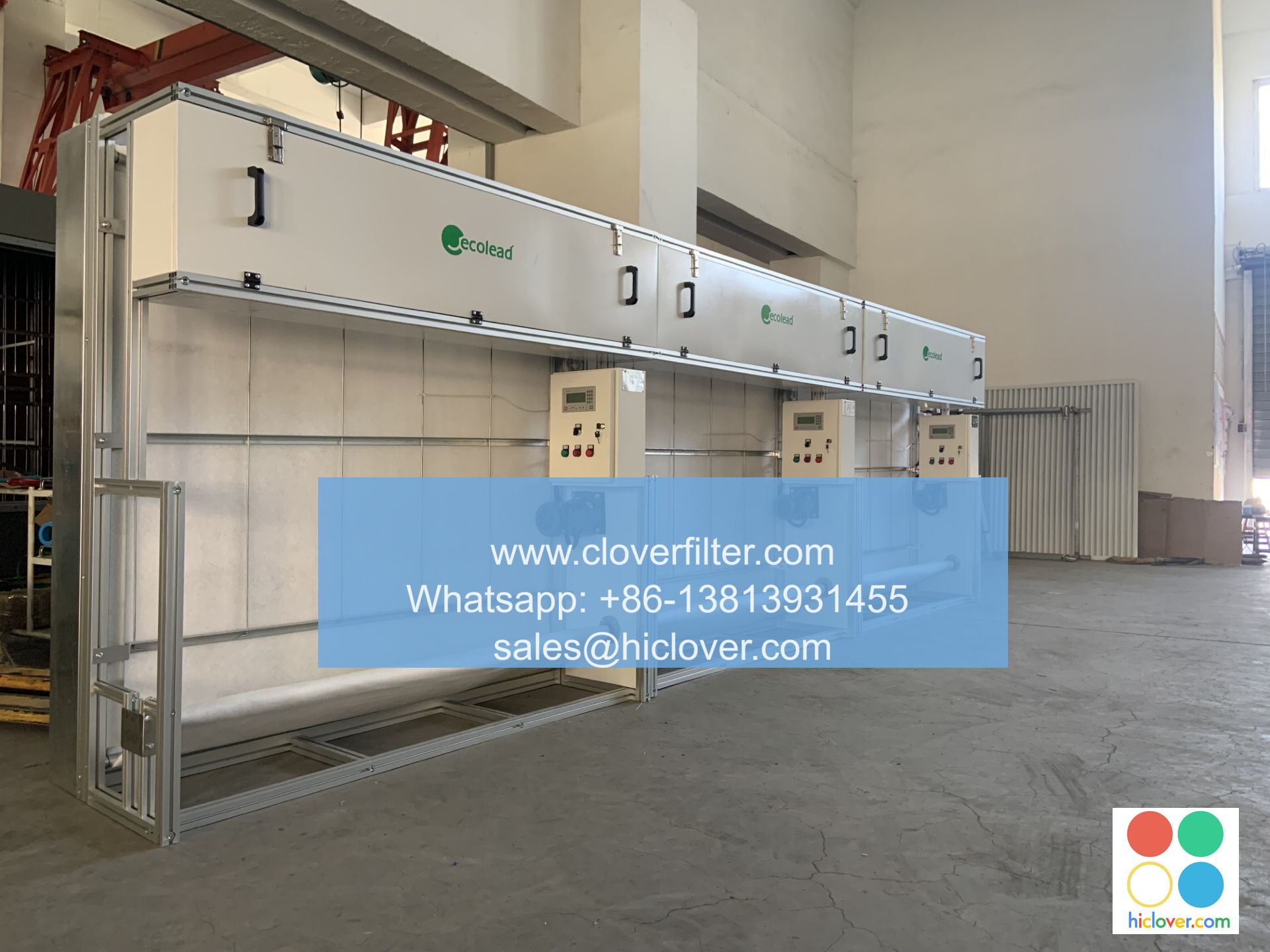
As the world grapples with the challenges of climate change, air pollution, and waste management, the importance of sustainable practices cannot be overstated. One often overlooked area that can have a significant impact on the environment is the humble air filter. In this article, we will explore the sustainability angle of air filters, highlighting the benefits of reducing, reusing, and recycling these crucial components.
Introduction to Air Filters
Air filters are an essential part of our daily lives, playing a critical role in maintaining indoor air quality (IAQ) and outdoor air quality (OAQ). From HEPA filters in air purifiers to .carbon filters in water filtration systems, these filters help remove particulate matter (PM), volatile organic compounds (VOCs), and other air pollutants from the air. However, the production, use, and disposal of air filters can have significant environmental implications.
The Environmental Impact of Air Filters
The production of air filters requires significant amounts of raw materials, including plastics, metals, and fibers. The extraction, processing, and transportation of these materials can result in greenhouse gas emissions (GHGs), water pollution, and land degradation. Furthermore, the disposal of air filters can contribute to waste management problems, with many filters ending up in landfills or incinerators.
Reducing Air Filter Waste
To mitigate the environmental impact of air filters, it is essential to adopt sustainable practices that reduce waste. Some strategies for reducing air filter waste include:
* Extended filter life: Using filters with longer lifespans or washable filters can reduce the frequency of replacements and minimize waste.
*
* Bulk purchasing: Buying filters in bulk can reduce packaging waste and minimize the environmental impact of transportation.

Reusing Air Filters
Reusing air filters is another effective way to reduce waste and minimize environmental harm. Some options for reusing air filters include:
* Refurbished filters: Some companies offer refurbished filters that have been cleaned, inspected, and repackaged for reuse.
* Filter recycling programs: Many manufacturers and retailers offer filter recycling programs that allow customers to return used filters for recycling.
* Creative repurposing: Old air filters can be repurposed as plant covers, drop cloths, or even crafting materials.
Recycling Air Filters
Recycling air filters is a critical step in reducing waste and conserving natural resources. Some benefits of recycling air filters include:
* Conservation of raw materials: Recycling air filters helps conserve raw materials, such as plastics, metals, and fibers, reducing the need for virgin materials.
* Reduction of greenhouse gas emissions: Recycling air filters can help reduce GHG emissions associated with the production of new filters.
* Decreased waste management costs: Recycling air filters can help reduce waste management costs and minimize the environmental harm caused by landfilling or incineration.
Application Areas for Sustainable Air Filters
Sustainable air filters have a wide range of applications across various industries, including:
* Indoor air quality management: Sustainable air filters can help maintain good IAQ in buildings, homes, and vehicles.
* Industrial air pollution control: Sustainable air filters can help reduce air pollution in industrial processes, such as manufacturing and mining.
* Transportation and logistics: Sustainable air filters can help reduce air pollution in vehicles, airplanes, and ships.
Conclusion
In conclusion, reducing, reusing, and recycling air filters is essential for mitigating the environmental impact of these crucial components. By adopting sustainable practices, such as extended filter life, filter maintenance, and recycling, we can minimize waste, conserve natural resources, and reduce greenhouse gas emissions. As we move forward in addressing the challenges of climate change, air pollution, and waste management, the importance of sustainable air filters cannot be overstated. By working together, we can create a more sustainable future for generations to come. You haven’t given me a prompt to respond to. Please provide a question, topic, or statement, and I’ll do my best to provide a helpful and direct response. What’s on your mind?
