Reducing Waste and Improving Efficiency with Automatic Roll Air Filters in Electronics Assembly
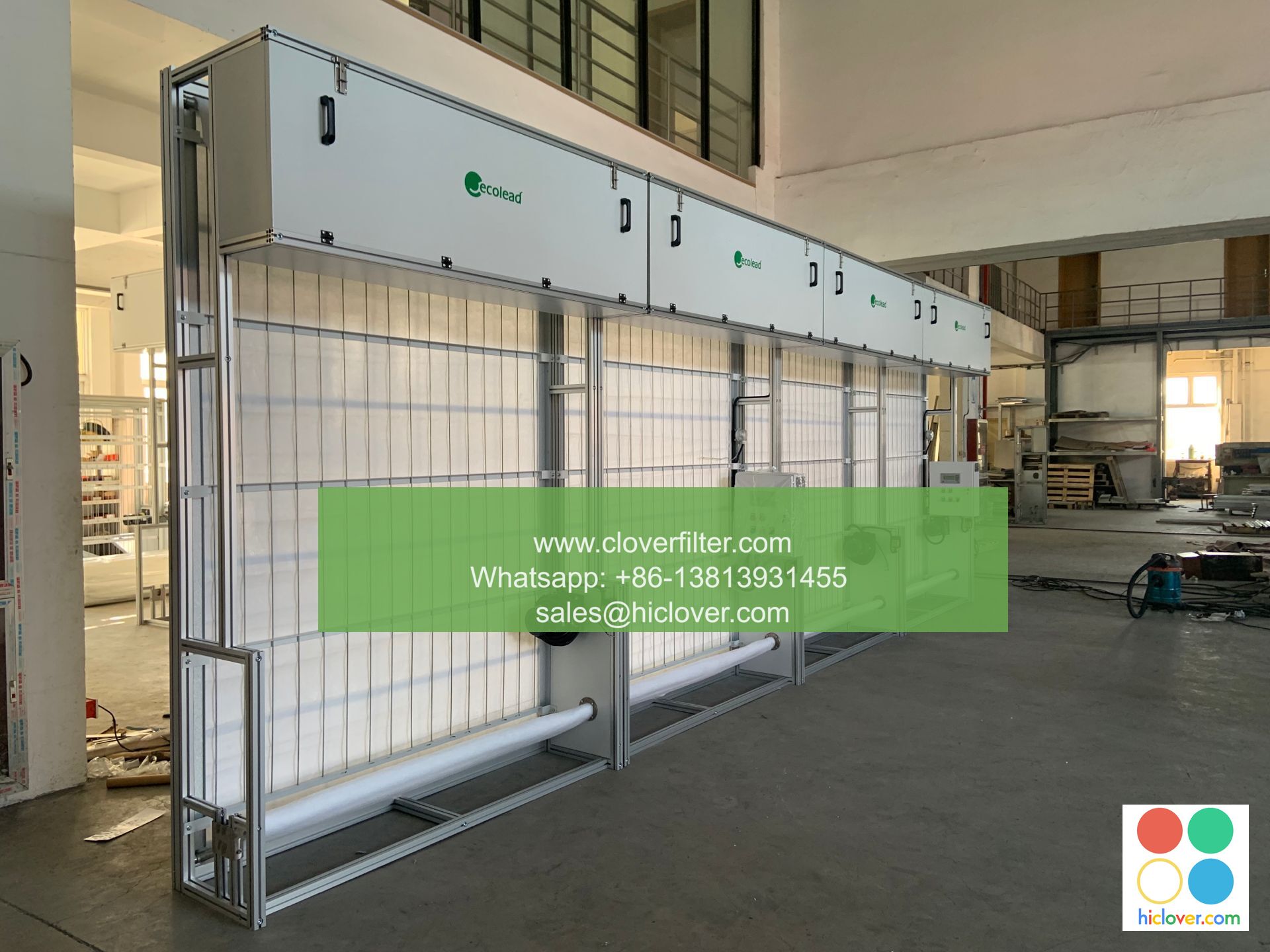
The electronics assembly industry is a significant contributor to the global economy, with a wide range of products being manufactured every day. However, this industry also generates a substantial amount of waste, including packaging materials, chemicals, and other hazardous substances. One area where waste can be reduced and efficiency improved is in the use of air filters. Traditional air filters require frequent replacement, which can lead to a significant amount of waste and downtime. Automatic roll air filters offer a solution to this problem, providing a more efficient and sustainable option for electronics assembly facilities.
Traditional air filters are typically replaced every 1-3 months, depending on the level of contamination and the type of filter used. This can result in a significant amount of waste, including the filters themselves, as well as the packaging and materials used to install and replace them. In addition, the replacement process can be time-consuming and labor-intensive, taking personnel away from other important tasks. Automatic roll air filters, on the other hand, use a continuous roll of filter media that is automatically advanced as it becomes dirty. This eliminates the need for frequent replacement and reduces waste by up to 90%.

In addition to reducing waste, automatic roll air filters can also improve efficiency in electronics assembly facilities. By providing a consistent and reliable supply of clean air, these filters can help to prevent contamination and reduce the risk of product defects. This can lead to increased productivity and reduced costs associated with rework and scrap. Automatic roll air filters can also be integrated with other systems, such as air handling units and cleanroom controls, to provide a comprehensive and efficient air filtration system.
Another benefit of automatic roll air filters is their ability to provide real-time monitoring and feedback. Many of these systems come equipped with sensors and monitoring software that can track air quality and filter performance in real-time. This allows facility managers to identify areas for improvement and make adjustments as needed, optimizing the air filtration system for maximum efficiency and effectiveness. This level of monitoring and control is not typically possible with traditional air filters, which can lead to inconsistent air quality and reduced productivity.
In terms of cost, automatic roll air filters may seem like a more expensive option upfront. However, when considering the long-term benefits and cost savings, they can be a more cost-effective solution. By reducing waste and minimizing the need for replacement, automatic roll air filters can save facilities money on filter costs and labor. Additionally, the improved air quality and reduced risk of contamination can lead to increased productivity and reduced costs associated with rework and scrap.
Overall, automatic roll air filters offer a more efficient and sustainable solution for electronics assembly facilities. By reducing waste and improving air quality, these filters can help facilities to improve productivity, reduce costs, and minimize their environmental impact. As the electronics assembly industry continues to grow and evolve, the use of automatic roll air filters is likely to become more widespread, providing a more efficient and sustainable option for facilities around the world.

Conclusion
In conclusion, automatic roll air filters offer a more efficient and sustainable solution for electronics assembly facilities. By reducing waste and improving air quality, these filters can help facilities to improve productivity, reduce costs, and minimize their environmental impact. With their ability to provide real-time monitoring and feedback, automatic roll air filters can be optimized for maximum efficiency and effectiveness. As the electronics assembly industry continues to grow and evolve, the use of automatic roll air filters is likely to become more widespread, providing a more efficient and sustainable option for facilities around the world.
Frequently Asked Questions
Q: What is an automatic roll air filter?
A: An automatic roll air filter is a type of air filter that uses a continuous roll of filter media that is automatically advanced as it becomes dirty.
Q: How do automatic roll air filters reduce waste?
A: Automatic roll air filters reduce waste by minimizing the need for frequent replacement and reducing the amount of packaging and materials used.
Q: Can automatic roll air filters be integrated with other systems?
A: Yes, automatic roll air filters can be integrated with other systems, such as air handling units and cleanroom controls, to provide a comprehensive and efficient air filtration system.
Q: Are automatic roll air filters more expensive than traditional air filters?
A: While automatic roll air filters may seem more expensive upfront, they can be a more cost-effective solution in the long run by reducing waste and minimizing the need for replacement.
Q: Can automatic roll air filters provide real-time monitoring and feedback?
A: Yes, many automatic roll air filter systems come equipped with sensors and monitoring software that can track air quality and filter performance in real-time.
