Reducing Waste in Air Filter Manufacturing
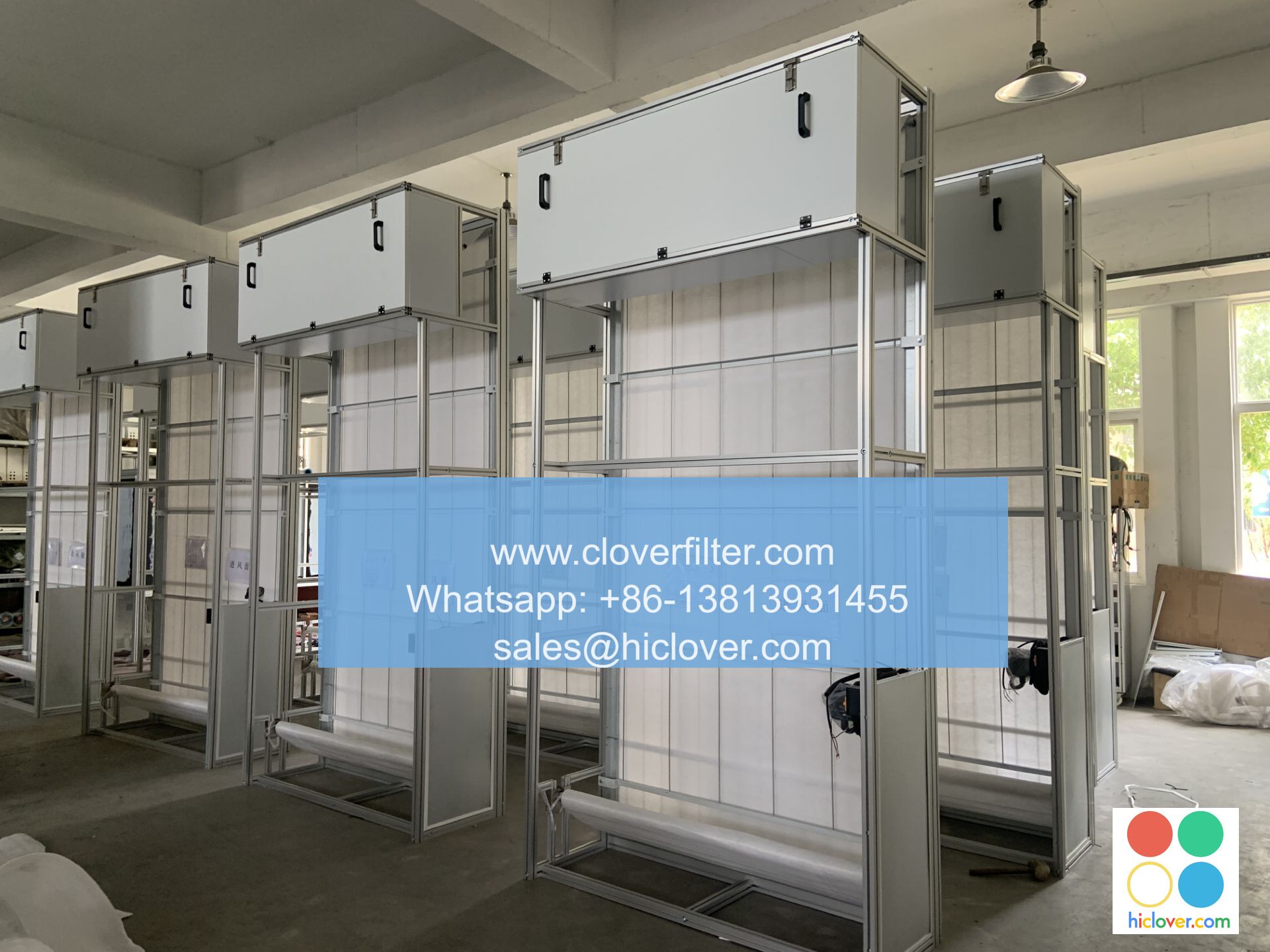
The air filter manufacturing industry is a significant contributor to the global production of filtration systems, with applications in various sectors such as industrial air purification, heating, ventilation, and air conditioning (HVAC), and air pollution control. However, the manufacturing process of air filters generates a substantial amount of waste, including non-biodegradable materials, hazardous chemicals, and excess energy consumption. To mitigate the environmental impact of air filter manufacturing, it is essential to adopt sustainable practices that reduce waste and promote eco-friendly production methods.
Application Areas for Sustainable Air Filter Manufacturing
Several application areas can benefit from sustainable air filter manufacturing, including:
* Industrial air purification: manufacturing facilities, power plants, and chemical processing plants
* Heating, ventilation, and air conditioning (HVAC): commercial buildings, residential homes, and data centers
* Air pollution control: urban areas, transportation systems, and industrial sites
* Medical facilities: hospitals, clinics, and laboratories
* Food processing: manufacturing facilities, packaging plants, and storage warehouses
Strategies for Reducing Waste in Air Filter Manufacturing
To reduce waste in air filter manufacturing, the following strategies can be implemented:
* Material optimization: selecting materials with high recyclability rates and minimal environmental impact
* Lean manufacturing: streamlining production processes to minimize waste generation and energy consumption
* Waste recycling: implementing recycling programs for non-biodegradable materials and
* Eco-friendly packaging: using biodegradable packaging materials and minimal packaging designs
* Supply chain optimization: collaborating with suppliers to reduce transportation emissions and waste generation
Benefits of Sustainable Air Filter Manufacturing
The adoption of sustainable practices in air filter manufacturing offers several benefits, including:
* Reduced environmental impact: minimizing waste generation, energy consumption, and greenhouse gas emissions
* Cost savings: reducing material costs, energy consumption, and waste disposal expenses
* Improved product quality: using high-quality, eco-friendly materials to produce high-performance air filters
* Enhanced brand reputation: demonstrating a commitment to sustainability and environmental responsibility
* Regulatory compliance: meeting or exceeding environmental regulations and industry standards

Conclusion
Reducing waste in air filter manufacturing is a critical step towards promoting sustainability and environmental responsibility in the industry. By adopting eco-friendly production methods, material optimization, and waste recycling, manufacturers can minimize their environmental impact while improving product quality, reducing costs, and enhancing their brand reputation. As the demand for high-performance air filters continues to grow, it is essential for manufacturers to prioritize sustainable practices and environmental stewardship in their operations. It looks like you’re ready to start, but you haven’t given me a prompt yet. What would you like to talk about or ask? I can help with a wide range of topics, from science and history to entertainment and culture. Go ahead and give me a prompt, and I’ll do my best to assist you!
