Regenerating Clean Air: The Future of Air Filter Innovation
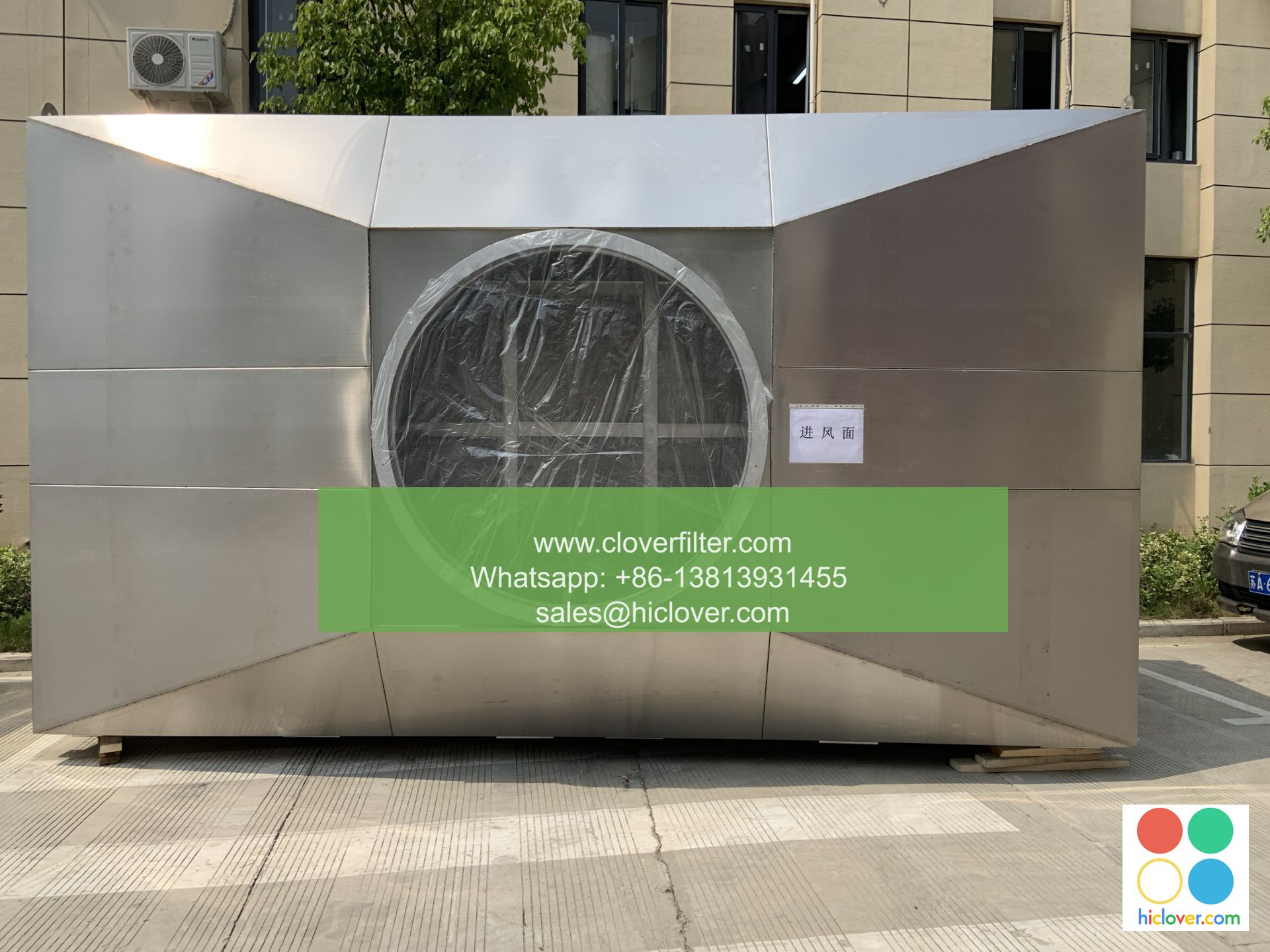
The alarming rise of air pollution has sparked a sense of urgency to develop innovative solutions for air quality improvement and indoor air purification. As the world grapples with the challenges of climate change and environmental degradation, the need for effective air filtration systems has never been more pressing. In this article, we will explore the latest advancements in air filter technology and their potential to regenerate clean air for a healthier and more sustainable future.
Air Filter Innovations: Changing the Landscape
Traditional air filtration systems have been around for decades, but they often fall short in addressing the complexities of modern air pollution. The emergence of nanotechnology, artificial intelligence, and biotechnology has paved the way for the development of next-generation air filters that can capture and convert pollutants into harmless substances. These cutting-edge air purification systems are poised to revolutionize the way we breathe and interact with our surroundings.
Application Areas: From Homes to Cities
The potential applications of advanced air filter technology are vast and varied, spanning across different sectors and industries. Some of the key areas where these innovations can make a significant impact include:
* Indoor air quality improvement: Homes, offices, and public spaces can benefit from smart air filtration systems that can detect and remove pollutants in real-time.
* Urban air pollution mitigation: Cities can leverage large-scale air purification systems to reduce the levels of particulate matter, nitrogen dioxide, and other pollutants in the air.
* Industrial air cleaning: Factories and manufacturing facilities can utilize high-efficiency air filters to minimize the release of harmful emissions and ensure a safer working environment.
* Transportation and mobility: The development of air-purifying technologies for vehicles and public transportation systems can help reduce the spread of airborne pollutants and create a healthier commuting experience.
The Science Behind Regenerating Clean Air
So, how do these advanced air filters work? The secret lies in their ability to capture and convert pollutants using various mechanisms, such as:
* Photocatalysis: This process uses light to break down pollutants into harmless substances, making it an effective method for removing volatile organic compounds (VOCs) and other gases.
* Bioremediation: This approach utilizes microorganisms to break down pollutants, providing a natural and sustainable solution for air quality improvement.
* Nanofiltration: This technology uses nano-sized particles to capture and remove pollutants, including particulate matter and other airborne contaminants.

Challenges and Opportunities
While the potential of regenerating clean air is vast, there are still several challenges that need to be addressed. These include:
* Scalability and cost-effectiveness: Developing air filtration systems that are both effective and affordable is crucial for widespread adoption.
* Standardization and regulation: Establishing clear standards and regulations for air quality improvement is essential for ensuring the efficacy and safety of these technologies.
* Public awareness and education: Raising awareness about the importance of air quality and the benefits of advanced air filter technology is critical for driving adoption and promoting a culture of sustainability.
The future of air filter innovation holds great promise for regenerating clean air and creating a healthier, more sustainable world. As we continue to push the boundaries of technology and science, we can expect to see even more innovative solutions emerge. By embracing these advancements and working together to address the challenges, we can create a brighter future where everyone can breathe easy and enjoy the benefits of clean air. Prompt
