Regina Medical Labs: Maintaining Air Quality with Automatic Roll Air Filters and Regular Maintenance
Understanding Air Quality in Medical Facilities

Air quality in medical facilities is critical for the health of both patients and medical staff. Hospitals and laboratories, such as Regina Medical Labs, require stringent measures to ensure contaminants are minimized. The effective management of air quality helps reduce the risk of infection and promotes a healing environment.
Automatic Roll Air Filters: A Game Changer
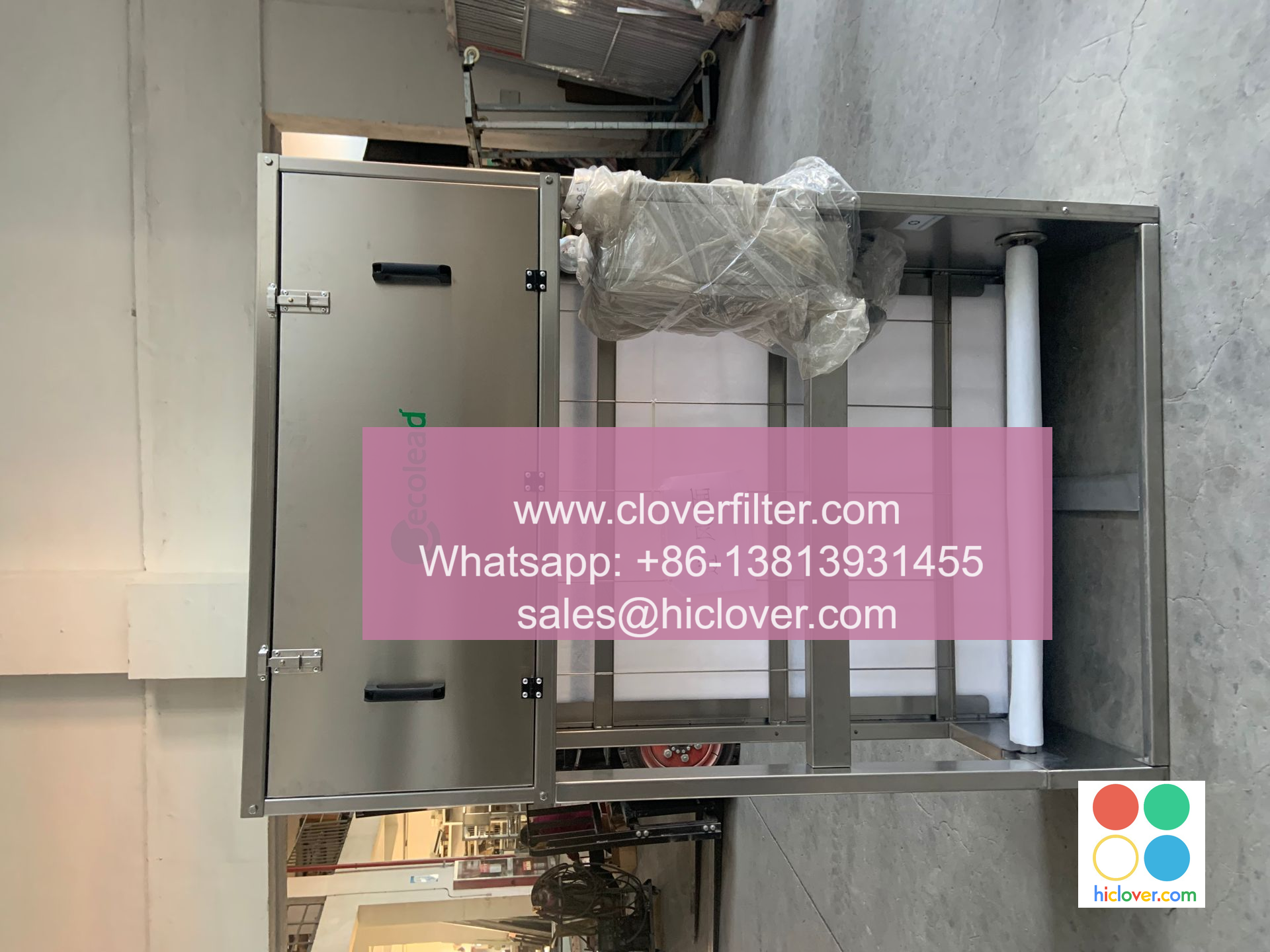
One of the most effective solutions implemented at Regina Medical Labs is the use of automatic roll air filters. These systems continuously filter the air, capturing pathogens, dust, and allergens. Unlike traditional filters, automatic roll air filters are designed for easy maintenance and provide a consistent stream of clean air.
Key Features of Automatic Roll Air Filters
- Efficiency: Capable of removing 99.97% of airborne particles, enhancing indoor air quality.
- Energy Saving: Operate at lower energy levels, reducing overall operational costs.
- Low Maintenance: The automated system informs staff when filters need replacement, preventing downtime.
Regular Maintenance: Ensuring Optimal Functioning
While automatic roll air filters significantly improve air quality, regular maintenance is vital for optimal performance. Regina Medical Labs employs a comprehensive maintenance program that includes:
Routine Inspections
Frequent inspections of air filtration systems ensure they are functioning as intended. Staff can identify any potential issues early, avoiding larger problems down the line.
Filter Replacement Schedule
Regina Medical Labs maintains a strict schedule for filter replacement based on usage and environmental conditions. This practice helps maintain airflow efficiency and keeps air quality at its peak.
Applications Beyond Medical Labs
The solutions adopted by Regina Medical Labs can be applied across various sectors, including:
Healthcare Facilities
Hospitals and clinics benefit from enhanced air quality, impacting patient recovery and staff health.
Educational Institutions
Schools and universities can reduce absenteeism due to respiratory issues by implementing effective air filtration systems.
Laboratories and Research Facilities
Research labs require stringent air quality controls to reduce the risk of contamination in experiments.
Industrial Applications
Manufacturing facilities can protect workers from VOCs and other airborne contaminants through advanced filtration systems.
